Our Short List of 3

- Best for: Family homes that want reliable Wi-Fi 6 coverage for streaming, homework, video calls, and smart home gear without paying for flagship features.
- AX5400 dual-band Wi-Fi 6 router
- Wireless speed up to 5.4 Gbps across bands
- 6-stream design
- Coverage up to 2,500 square feet

- Best for: Households with newer phones and laptops that can use the clean 6 GHz band every day for faster, less crowded wireless connections at home.
- AXE7800 tri-band Wi-Fi 6E router
- Wireless speed up to 7.8 Gbps across bands
- 6 GHz band for newer devices
- 8-stream design

- Best for: Large homes with multi-gig internet and many connected devices that need fast, steady Wi-Fi in every room throughout the day.
- BE19000 tri-band Wi-Fi 7 router
- Wireless speed up to 19 Gbps across bands
- 10 Gigabit Internet port
- Coverage up to 3,500 square feet
All 3 Picks at a Glance
| Product | Specs | Action |
|---|---|---|
| NETGEAR Nighthawk RAX50 |
| Check price on Amazon |
| NETGEAR Nighthawk RAXE300 |
| Check price on Amazon |
| NETGEAR Nighthawk RS700S |
| Check price on Amazon |
Key takeaways
- Compare the best netgear nighthawk routers for fast Wi-Fi 6, 6E and 7. Find the right Nighthawk for your home size, device count, coverage and internet plan.
Netgear’s Nighthawk line covers the full range of home Wi-Fi, from a solid Wi-Fi 6 router for everyday use to a Wi-Fi 7 flagship for multi-gig internet. The winged design is easy to recognize, but the real differences sit inside: the Wi-Fi generation, the speed class, the stream count, and the wired ports. Picking the right Nighthawk means matching those details to the home, the device count, and the internet plan, rather than buying the largest number on the box. A router that fits the household keeps video calls steady, downloads quick, and smart home gear connected without restarts.
This guide is for households upgrading an old router, families with many connected devices, and anyone whose internet plan outgrew the gateway the provider supplied. The three Nighthawk routers below were chosen from the names and specifications on their Amazon listings, comparing Wi-Fi generation, coverage, device capacity, and port selection first. Each pick below notes what it does best and where it falls short.
Quick Picks
As an Amazon Associate we earn from qualifying purchases
| Product | Best for | Key spec from title |
|---|---|---|
| NETGEAR Nighthawk RAX50 | Everyday Wi-Fi 6 for family homes and streaming | AX5400 dual-band, 2,500 sq. ft. coverage, 6 streams |
| NETGEAR Nighthawk RAXE300 | Wi-Fi 6E with a clean 6 GHz band | AXE7800 tri-band, 6 GHz band, 8 streams |
| NETGEAR Nighthawk RS700S | Wi-Fi 7 flagship for fast multi-gig plans | BE19000 tri-band, 10 Gig port, 200 devices |
How to Choose
Wi-Fi Generation: 6, 6E, or 7
Wi-Fi 6 handles crowded homes well, squeezing more devices onto each channel without the slowdowns older standards showed. Wi-Fi 6E adds a clean 6 GHz band that newer phones and laptops use to escape congestion on the older bands. Wi-Fi 7 pushes further with wider channels and lower latency, which helps when the internet plan itself is very fast. The right generation depends on the devices in the home: if nothing supports 6E or 7 yet, a strong Wi-Fi 6 router serves well for years. Older laptops and phones gain nothing from Wi-Fi 7, so spending on the newest standard only pays off when several household devices already support it.
Speed Class and Stream Count
The speed class, written as AX5400 or BE19000, totals the maximum throughput across all bands. It is a ceiling, not a promise, since real speed depends on the internet plan and the device. Stream count matters just as much: more streams let the router talk to several devices at once instead of queuing them. A 6-stream router keeps a family of phones, laptops, and televisions moving smoothly, while an 8-stream or larger design suits homes where everyone streams at the same time. A router with fewer streams can still serve a quiet home, yet it starts queuing traffic once televisions, consoles, and work laptops all demand data together.
Coverage and Device Capacity
Coverage figures describe an open floor, so walls, floors, and metal appliances shrink the real reach. A router rated for 2,500 square feet generally covers a two-bedroom home from a central shelf, while a 3,500 square foot rating reaches across a larger house. Device capacity counts the phones, laptops, televisions, speakers, and smart home gear that stay connected. When the count passes twenty, a router built for forty or more devices keeps video calls steady instead of dropping them. Thick walls and metal shelving cut the signal further, so a router placed near the middle of the living area usually reaches bedrooms better than one tucked in a corner.
Wired Ports and Security Features
Wired ports carry the fastest, most stable connections in the house. A 2.5 Gigabit or 10 Gigabit internet port matters when the plan exceeds gigabit speeds, since a standard Gigabit port would cap the connection. Four or more LAN ports serve televisions, consoles, and desktop computers without a switch. Security features such as automatic threat protection and the Nighthawk app round out the package, letting the household manage passwords, guest networks, and device access from a phone. Guest networks keep visitors off the main network, while parental controls set sensible limits on screen time for children without blocking the adults in the house.
The 3 Best Options
NETGEAR Nighthawk RAX50
- Best for: Family homes that want reliable Wi-Fi 6 coverage for streaming, homework, video calls, and smart home gear without paying for flagship features.
- AX5400 dual-band Wi-Fi 6 router
- Wireless speed up to 5.4 Gbps across bands
- 6-stream design
- Coverage up to 2,500 square feet
Family homes that want reliable Wi-Fi 6 coverage for streaming, homework, video calls, and smart home gear without paying for flagship features.
No 6 GHz band, so newer 6E phones and laptops fall back to the older bands and miss the cleanest wireless path.
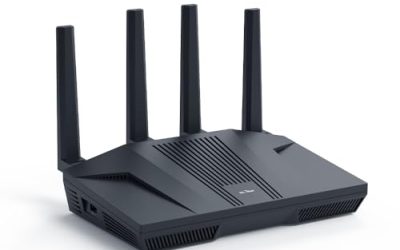
The NETGEAR Nighthawk RAX50 is the everyday Nighthawk, an AX5400 Wi-Fi 6 router that covers a family home without demanding a flagship budget. Its six-stream design moves data to many devices at once, and the listed coverage reaches 2,500 square feet from a central spot. Four Gigabit Ethernet ports serve wired gear, and the 1.5 GHz tri-core processor keeps the network responsive when streaming and gaming overlap. The Nighthawk app handles setup and device management, and the winged design keeps antennas clear of clutter on a shelf. It also handles evening peaks calmly, when streaming, homework, and video calls overlap across the family.
NETGEAR Nighthawk RAXE300
- Best for: Households with newer phones and laptops that can use the clean 6 GHz band every day for faster, less crowded wireless connections at home.
- AXE7800 tri-band Wi-Fi 6E router
- Wireless speed up to 7.8 Gbps across bands
- 6 GHz band for newer devices
- 8-stream design
Households with newer phones and laptops that can use the clean 6 GHz band every day for faster, less crowded wireless connections at home.
A separate Renewed listing circulates under another code, so confirm the new listing and check the seller details on the page before ordering.
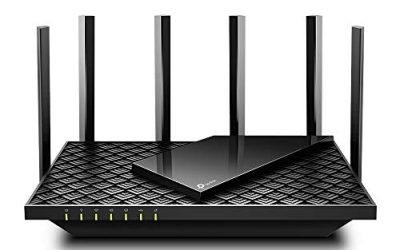
The NETGEAR Nighthawk RAXE300 adds Wi-Fi 6E to the Nighthawk line, opening a 6 GHz band for newer phones and laptops. Its AXE7800 tri-band radio reaches up to 7.8 Gbps across three bands, and eight streams keep a busy household moving when everyone is online. A 2.5 Gigabit internet port suits plans above gigabit speed, and coverage reaches 2,500 square feet with support for forty devices. The folding wing design hides six high-performance antennas inside, so the router looks clean on a shelf while pushing signal through rooms. That extra band gives newer laptops a quieter path, so crowded evenings feel smoother when the whole household is online.
NETGEAR Nighthawk RS700S
- Best for: Large homes with multi-gig internet and many connected devices that need fast, steady Wi-Fi in every room throughout the day.
- BE19000 tri-band Wi-Fi 7 router
- Wireless speed up to 19 Gbps across bands
- 10 Gigabit Internet port
- Coverage up to 3,500 square feet
Large homes with multi-gig internet and many connected devices that need fast, steady Wi-Fi in every room throughout the day.
Its full speed needs Wi-Fi 7 devices and a very fast plan to show, so older gear and slower connections will not reveal its best.
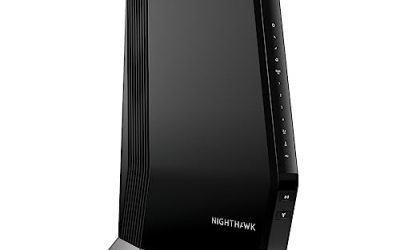
The NETGEAR Nighthawk RS700S is the Wi-Fi 7 flagship, built for homes with multi-gig internet and two hundred connected devices. Its BE19000 tri-band radio reaches up to 19 Gbps across three bands, and a 10 Gigabit internet port removes the wired bottleneck for the fastest plans. Coverage reaches 3,500 square feet, and the tall hexagonal design pushes signal across a large house. One year of NETGEAR Armor threat protection is included, and the Nighthawk app manages the whole network from a phone. The tall shape also keeps its antennas clear of nearby clutter, which helps the signal travel across open rooms and up stairwells.
Which One Fits Your Situation
Apartment Wi-Fi for Everyday Use
For an apartment, the NETGEAR Nighthawk RAX50 is the sensible pick. Its AX5400 radio covers the space easily, its six streams handle a normal device count, and its four wired ports serve a television and a console. The flagship would sit mostly idle here, and the 6E model only earns its keep when several devices support the 6 GHz band. Place the RAX50 centrally and raised, and the whole flat stays covered.
A Busy Household with Many Devices
When the household count passes thirty devices, the NETGEAR Nighthawk RAXE300 earns its place. Its eight streams and 6 GHz band keep phones, laptops, and televisions moving without queuing, and its 2.5 Gigabit port suits a fast plan. The RAX50 suits a normal family, but the RAXE300 stays smooth when everyone streams, games, and works at the same time. Check 6E support first, since older gear cannot use the new band.
A Home with Multi-Gig Internet
Multi-gig internet needs the NETGEAR Nighthawk RS700S. Its 10 Gigabit port passes a plan above gigabit speed to the wired network, and its Wi-Fi 7 radio keeps the wireless side fast enough to match. The RAXE300 caps wired throughput at its 2.5 Gigabit port, which wastes a faster plan. Confirm the plan speed with the provider before choosing, since the flagship only shines when the connection feeding it is equally fast.
Gamers and Streamers
Gamers and streamers need low latency and steady throughput during long sessions. The NETGEAR Nighthawk RAXE300 suits most gaming setups with its 6 GHz band and eight streams, which cut congestion when the household is busy. The RS700S is the upgrade for competitive players with Wi-Fi 7 gear and a multi-gig plan. Connect the gaming PC or console by Ethernet in either case, since a cable beats any wireless link for stability.
Common Mistakes
- Buying a Wi-Fi 7 router when no phone, laptop, or television in the home supports Wi-Fi 7 yet, so the extra speed stays unused.
- Judging a router by its speed class alone, without checking stream count, coverage, and the wired ports it offers for the household.
- Placing the router behind a television or inside a closed cabinet, which blocks the signal and leaves distant rooms with weak Wi-Fi.
- Ignoring the internet port speed, so a fast plan gets capped by a Gigabit port and the household never sees the speed it pays for.
- Skipping firmware updates, which leaves security fixes and performance gains uninstalled while known flaws stay open on the network for months on end.
Frequently Asked Questions
What is the difference between Wi-Fi 6, 6E, and 7?
Wi-Fi 6 improves efficiency for many devices on the familiar 2.4 and 5 GHz bands. Wi-Fi 6E adds a new 6 GHz band with more room and less congestion for newer devices. Wi-Fi 7 widens channels further and cuts latency, which helps very fast plans and gaming. Each generation needs matching devices to show its benefit.
Do I need a Nighthawk router for a small apartment?
Not necessarily, but the RAX50 fits an apartment well when the household has many devices or streams often. A basic router covers a small flat too, yet it may struggle when several people use video calls at once. The Nighthawk earns its place through stream count and coverage, so match it to the device count first.
Can a Nighthawk router replace my provider gateway?
It can replace the router half, but not the modem half unless the model includes one. These three Nighthawk models are routers only, so they connect to an existing modem or gateway. Some households put the gateway into bridge mode and let the Nighthawk handle Wi-Fi, which keeps the modem function while improving the wireless network.
How often should I replace a Wi-Fi router?
Every four to six years is a reasonable cycle, or sooner when the household outgrows it. Signs include dead zones that did not exist before, video calls dropping when many devices connect, and a new internet plan that exceeds the router’s port speed. Firmware updates extend the useful life, but aging hardware eventually caps the network.
FAQ
What is the difference between Wi-Fi 6, 6E, and 7?
Do I need a Nighthawk router for a small apartment?
Can a Nighthawk router replace my provider gateway?
How often should I replace a Wi-Fi router?
More from Amazon
Programs that pair well with the guide above. Offers and eligibility are set by Amazon and may change.
Free shipping on eligible items, Prime Video and more. Eligible new members can start with a free trial.
Start a Prime free trialA Prime membership for ages 18-24 with a trial period. Eligibility is set by Amazon.
See Prime for Young AdultsAudiobooks and podcasts to listen to on the go. Eligible new members can start with a free trial.
Try Audible freeAd-free music streaming. Eligible new subscribers can start with a free trial.
Try Music Unlimited freeAs an Amazon Associate we earn from qualifying purchases.