Our Short List of 3

- Display: 6.6-inch FHD+ (1080 x 2408), 120Hz, Gorilla Glass Victus+, wet and glove touch support
- Processor: Qualcomm Snapdragon 7s Gen 3
- Memory: 6GB RAM, 128GB storage, microSD expansion up to 2TB
- Battery: 4,350mAh, user-removable

- Display: 6.78-inch FHD+ (1080 x 2460), 120Hz, Gorilla Glass
- Processor: MediaTek Helio G96
- Memory: 12GB RAM plus 12GB virtual RAM, 256GB storage, microSD expansion up to 2TB
- Battery: 22,000mAh, 66W wired charging, OTG reverse charging

- Display: 6.7-inch FHD+ (1080 x 2388), 120Hz, Gorilla Glass 5, plus a 1.3-inch rear display
- Processor: MediaTek Helio G99
- Memory: 12GB RAM plus 12GB virtual RAM, 256GB storage, hybrid microSD slot
- Battery: 15,080mAh, 33W charging, 5W reverse charging
All 5 Picks at a Glance
| Product | Specs | Action |
|---|---|---|
| 1. Samsung Galaxy XCover7 Pro — Best Overall |
| Check price on Amazon |
| 2. Ulefone Armor 24 — Best for Multi-Day Battery Life |
| Check price on Amazon |
| 3. Blackview BV9300 Pro — Best Outdoor Toolkit |
| Check price on Amazon |
 4. DOOGEE Smini — Best Compact Pick |
| Check price on Amazon |
 5. FOSSIBOT F101 Pro — Best Value |
| Check price on Amazon |
Key takeaways
- Find the best outdoor smartphones for hiking, camping and trail days, with IP68 sealing, glove-friendly touch, big batteries and drop-proof builds.
A phone that lives outdoors has a harder job than a phone that lives on a desk. It gets rained on at a ridgeline, knocked off a tailgate at camp, buried in trail dust, and asked to read a map in full midday sun with cold fingers. A standard glass handset survives that routine only with a bulky case and a fair amount of luck. An outdoor smartphone builds the protection in from the factory: a sealed body that shrugs off water and grit, a frame tested against drops onto hard ground, a screen that still responds to wet fingers and gloves, and a battery sized for days away from the nearest outlet.
This guide rounds up five rugged smartphones sold on Amazon US that fit hiking, camping and trail use rather than a jobsite. The picks differ in useful ways: a mainstream model with a removable battery and proper carrier support, a giant-battery basecamp phone with its own camping light, a toolkit phone with glove mode and a rear display, a genuinely compact option for ounce-counting hikers, and a value pick that still carries full sealing. Every phone here holds at least an IP68 sealing rating and a military drop-test standard, and each one adds outdoor-specific touches such as barometers, night vision or glove-friendly touch.
As an Amazon Associate, we earn from qualifying purchases.
Quick answer
The Samsung Galaxy XCover7 Pro is the best outdoor smartphone for most hikers and campers, pairing IP68 sealing and MIL-STD-810H drop protection with a wet- and glove-friendly screen and a removable battery. For week-long trips away from power, the Ulefone Armor 24 and its huge cell are the stronger pick.
1. Samsung Galaxy XCover7 Pro — Best Overall
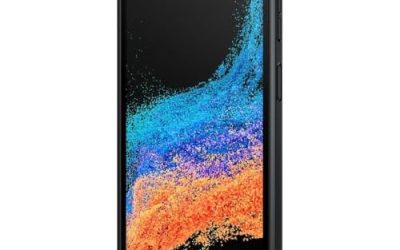
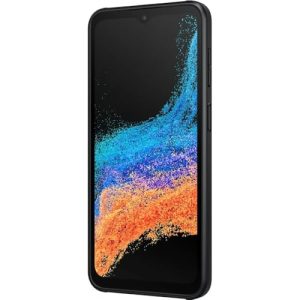
- Display: 6.6-inch FHD+ (1080 x 2408), 120Hz, Gorilla Glass Victus+, wet and glove touch support
- Processor: Qualcomm Snapdragon 7s Gen 3
- Memory: 6GB RAM, 128GB storage, microSD expansion up to 2TB
- Battery: 4,350mAh, user-removable
The XCover7 Pro is the outdoor phone for people who want rugged hardware without giving up mainstream polish. It carries an IP68 rating and MIL-STD-810H drop testing, yet it looks and behaves like a normal Galaxy phone, with a bright 120Hz display under Gorilla Glass Victus+ and a screen tuned to respond through rain and thin gloves. The removable battery is the feature outdoor users will value most: on a long weekend you can carry a charged spare and swap it at camp instead of rationing screen time or hauling a power bank.
Carrier support is the quiet advantage here. The US version is unlocked for Verizon, AT&T, T-Mobile and US Cellular, which most imported rugged phones cannot claim. Samsung also commits to long software support, so trail apps and security patches keep arriving for years. The trade-offs are a battery that is modest next to the big-cell rivals below and a body that, while tough, is slimmer and less armored than the true brick-style phones. For most hikers and campers, it is the balanced pick.
2. Ulefone Armor 24 — Best for Multi-Day Battery Life
- Display: 6.78-inch FHD+ (1080 x 2460), 120Hz, Gorilla Glass
- Processor: MediaTek Helio G96
- Memory: 12GB RAM plus 12GB virtual RAM, 256GB storage, microSD expansion up to 2TB
- Battery: 22,000mAh, 66W wired charging, OTG reverse charging
The Armor 24 is built around one idea: leave the charger and the power bank at home. Its 22,000mAh cell is roughly four times the size of a typical phone battery, enough for a week of navigation checks, photos and evening reading between charges. On the back sits a 510-bead LED camping light rated at 1,000 lumens, bright enough to pitch a tent, cook dinner or walk a dark trail, with SOS and strobe modes for emergencies. The phone can also share its charge with other gear through OTG reverse charging.
That capacity comes at a real cost in size: at 647 grams and 28mm thick, this is a basecamp and vehicle-camping phone, not a pocket companion for fast hiking. It is also a 4G-only handset aimed at GSM networks such as T-Mobile, and it will not work on AT&T or Cricket, so check your carrier before ordering. The infrared night vision camera is a genuine outdoor extra, useful for watching wildlife around camp after dark without a visible flash. If your trips run long and outlets are scarce, nothing else on this list comes close.
3. Blackview BV9300 Pro — Best Outdoor Toolkit
- Display: 6.7-inch FHD+ (1080 x 2388), 120Hz, Gorilla Glass 5, plus a 1.3-inch rear display
- Processor: MediaTek Helio G99
- Memory: 12GB RAM plus 12GB virtual RAM, 256GB storage, hybrid microSD slot
- Battery: 15,080mAh, 33W charging, 5W reverse charging
The BV9300 Pro treats the phone as a piece of field equipment. A built-in barometer feeds its outdoor toolkit of compass, altimeter and measurement apps, glove mode keeps the 120Hz screen usable with winter gloves on, and a 100-lumen torch handles tent chores. The round 1.3-inch display on the back shows the time, notifications and a compass, and it works as a viewfinder so you can frame group shots at a summit with the sharper main camera.
The big battery delivers several days of typical trail use, and the rear display sips power when all you need is the time or a compass heading. Downsides mirror the Armor 24: this is a heavy, thick 4G handset from a smaller brand, so long-term software updates will be thinner than Samsung offers, and US buyers should confirm band support on their carrier. As a self-contained outdoor instrument that also makes calls, though, it is the most feature-packed pick here.
4. DOOGEE Smini — Best Compact Pick
- Display: 4.5-inch (1170 x 480), plus a rear secondary display
- Processor: MediaTek Helio G99
- Memory: 8GB RAM plus 7GB virtual RAM, 256GB storage, microSD expansion up to 2TB
- Battery: 3,000mAh, 18W charging
Almost every rugged phone is enormous. The Smini is the exception: a 4.5-inch handset that weighs 155 grams and disappears into a hip-belt pocket, yet still carries IP68 and IP69K sealing and MIL-STD-810H drop testing. For thru-hikers counting grams and climbers who want a phone that fits a chest pocket, it solves the size problem that rules out the rest of this list. A small rear display shows the time, battery level, temperature and humidity at a glance, handy for a quick weather check without waking the main screen.
The compromises follow from the size. The 3,000mAh battery is a one-day cell, so multi-day trips still call for a small power bank, and the narrow screen makes map reading and photo editing cramped next to the big handsets above. It is also 4G only. None of that matters if your priority is a sealed, drop-proof phone that carries like the compact phones of a decade ago. For day hikes, trail runs and minimalist kits, it is the easiest phone on this list to bring along.
5. FOSSIBOT F101 Pro — Best Value
- Display: 5.45-inch HD+ (720 x 1440), plus a 1.32-inch rear display
- Processor: MediaTek MT8788 octa-core
- Memory: 8GB RAM plus 7GB virtual RAM, 128GB storage, microSD expansion up to 1TB
- Battery: 10,600mAh, 18W charging
The F101 Pro covers the rugged essentials for buyers who would rather spend the savings on boots and fuel. It pairs IP68 and IP69K sealing with a 10,600mAh battery that comfortably outlasts a long weekend, and it borrows the rear-display trick from pricier models: a 1.32-inch round screen on the back for the clock, notifications, music controls and a compass. The 5.45-inch main display keeps the phone manageable in one hand, and the body still passes MIL-STD-810H drop testing.
Expect honest compromises at this end of the range: the HD+ screen is less sharp than the FHD+ panels above, the processor is an older mid-range chip that suits navigation and messaging better than heavy multitasking, and camera output is serviceable rather than memorable. What you do not give up is the core outdoor brief — sealing, drop protection, multi-day battery life and a price of entry that leaves room in the trip budget. As a second phone for the trail or a first rugged handset, it makes a strong case.
How to choose
Begin with sealing. An IP68 rating means the phone is dust-tight and can handle immersion in fresh water, which covers river crossings, downpours and dropped-in-the-creek accidents. IP69K adds resistance to high-pressure, high-temperature water jets, more than most hikers need but reassuring for muddy, messy trips. MIL-STD-810H is a suite of laboratory tests covering drops, vibration, humidity and temperature extremes; it is a useful baseline, though it does not promise survival of every fall onto rock.
Next, match the screen to your hands and your weather. Wet-touch support keeps the display working in rain, and a dedicated glove mode matters for shoulder-season and winter trips. Sunlight readability counts too: a bright panel is the difference between reading a topo map at noon and guessing. Battery sizing should follow trip length. A phone in the 4,000 to 5,000mAh range suits day hikes and overnighters, cells around 10,000mAh stretch to long weekends, and only the giant 15,000mAh-plus models realistically cover a week of off-grid use — at a steep weight penalty.
Carrier bands are the check buyers most often miss. Many rugged phones from smaller brands are GSM-only designs that work on T-Mobile and its prepaid offshoots but not on AT&T or Verizon, and several lack 5G entirely. Confirm your carrier and the bands you rely on before ordering. Finally, weigh the extras that match your trips: a removable battery for swappable spares, a barometer for weather watching, night vision for wildlife, and a camping light that can replace a lantern at a small site.
Who should skip
Skip this category if photography is the point of your trips. Rugged phones use mid-range sensors and processing, and a flagship handset in a good case will take far better pictures. Skip it if you are on Verizon and want 5G, since most imported rugged models are GSM designs with limited band support; the XCover7 Pro is the exception on this list. Skip the big-battery models if you carry your phone in a front pocket all day, because a 500-gram-plus handset grows old quickly on foot. And if your outdoor time is light — park walks, car camping with power at the site — a standard phone in a quality case is simpler, lighter and cheaper than any pick here.
Frequently Asked Questions
What does an IP68 or IP69K rating mean on a trail phone?
The first digit covers dust and the second covers water. A 6 for dust means the body is fully dust-tight, so trail grit and sand stay out. An 8 for water means the phone can be submerged in fresh water beyond one meter for at least half an hour, which handles creek drops and heavy rain. IP69K adds protection against close-range, high-pressure water jets. Ratings assume still, clean water and intact seals, so rinse mud from ports and check that covers sit flush after a fall.
Will these rugged phones work on my carrier?
The Samsung XCover7 Pro is the safe choice, since the US version is unlocked for Verizon, AT&T, T-Mobile and US Cellular with full 5G support. The Ulefone, Blackview, DOOGEE and FOSSIBOT models are GSM designs built mainly for T-Mobile and similar networks, and most are 4G only. Ulefone notes the Armor 24 will not work on AT&T or Cricket. Whatever you buy, compare the listing’s band list against your carrier before ordering, especially for rural coverage areas.
Can I use the touchscreen with gloves or wet hands?
Yes, on the picks chosen with that in mind. The XCover7 Pro’s display is tuned to respond through rain and thin gloves, and the BV9300 Pro adds a glove mode that raises touch sensitivity for thicker winter gloves. Thinner gloves work better than insulated mountaineering mitts on any capacitive screen, and wiping standing water off the panel improves accuracy in heavy rain. Physical buttons and voice control remain the fallback in the worst conditions.
How long will the battery last on a multi-day backpacking trip?
It depends on the cell and your habits. The Armor 24’s 22,000mAh battery can cover a week of moderate use, and the BV9300 Pro and F101 Pro stretch across a long weekend and beyond. The XCover7 Pro suits one to two days per charge, but its removable battery lets you carry a lightweight spare instead of a power bank. Airplane mode, downloaded offline maps and a dimmed screen extend every model considerably, and cold weather shortens all battery life, so sleep with the phone in your bag on frosty nights.
Final verdict
For most people, the Samsung Galaxy XCover7 Pro is the outdoor phone to buy: it combines real sealing and drop protection with a glove-friendly screen, a swappable battery and carrier support the imported brands cannot match. Choose the Ulefone Armor 24 when the trip runs a week and power is the whole problem, the Blackview BV9300 Pro when you want an outdoor toolkit with glove mode and a barometer, the DOOGEE Smini when every gram counts, and the FOSSIBOT F101 Pro when the budget matters more than the spec sheet. Any of the five will take weather and hard ground in stride that would end a standard phone’s trip early.
Product and ASIN Reference
| Product | ASIN |
|---|---|
| Samsung Galaxy XCover7 Pro | B0F72BL8WT |
| Ulefone Armor 24 | B0CL4VX9CZ |
| Blackview BV9300 Pro | B0DHRXS57Q |
| DOOGEE Smini | B0CLV95GW7 |
| FOSSIBOT F101 Pro | B0BZL2ZVV9 |
FAQ
What does an IP68 or IP69K rating mean on a trail phone?
Will these rugged phones work on my carrier?
Can I use the touchscreen with gloves or wet hands?
How long will the battery last on a multi-day backpacking trip?
More from Amazon
Programs that pair well with the guide above. Offers and eligibility are set by Amazon and may change.
Free shipping on eligible items, Prime Video and more. Eligible new members can start with a free trial.
Start a Prime free trialA Prime membership for ages 18-24 with a trial period. Eligibility is set by Amazon.
See Prime for Young AdultsAudiobooks and podcasts to listen to on the go. Eligible new members can start with a free trial.
Try Audible freeAd-free music streaming. Eligible new subscribers can start with a free trial.
Try Music Unlimited freeAs an Amazon Associate we earn from qualifying purchases.