Key takeaways
- Best japanese smartphones on sale in the US, from Sony Xperia flagships to a rugged Kyocera and Sharp's import-only Aquos, with specs and carrier notes.
Japan’s phone makers build some of the most distinctive smartphones on sale, yet they barely register in US carrier stores. Sony keeps the Xperia line alive with camera hardware borrowed from its Alpha division, a headphone jack and expandable storage long after rivals dropped both. Kyocera builds rugged handsets in Japan for field work, and Sharp’s Aquos range is a bestseller at home that most American buyers have never held. If you want a phone designed in Japan rather than another lookalike slab, these are the models that matter.
The catch is availability. Sony is the only Japanese brand with a consistent unlocked presence on Amazon US, and even its newest flagships arrive as international versions with GSM-only radios. Kyocera sells through Verizon first, with unlocked stock appearing later and in smaller numbers. Sharp and Fujitsu barely export at all, so their phones reach the US through importers, with the warranty and band-support compromises that route implies. This guide separates the Japanese smartphones you can buy today from the ones that remain import-only curiosities, and it flags every listing that could not be fully verified.
As an Amazon Associate, we earn from qualifying purchases.
Quick answer
The Sony Xperia 1 VI is the Japanese smartphone to buy in the US right now: a flagship with a 6.5-inch 120Hz OLED screen, a Snapdragon 8 Gen 3 chip, a true optical zoom camera and a headphone jack, sold factory unlocked for GSM carriers. Buyers who spend less should look at the Xperia 10 VII, while Kyocera covers the rugged niche.
Sony Xperia 1 VI: the flagship to buy
The Xperia 1 VI is the most complete Japanese smartphone sold in the US, and the only one that goes head to head with the best from Samsung and Google. Sony kept the tall, narrow shape that makes a 6.5-inch screen manageable in one hand, then filled it with hardware aimed at photographers: a 48MP main camera with optical stabilization, a 12MP ultrawide, and a 12MP telephoto that zooms continuously from 85mm to 170mm instead of jumping between fixed steps. The camera app borrows its layout and manual controls from Sony’s Alpha cameras, which suits anyone who already shoots that way.
Daily hardware is flagship grade throughout. The Snapdragon 8 Gen 3 and 12GB of RAM keep the phone quick, the 5,000mAh battery is paired with a display that can drop to a 1Hz refresh rate to save power, and Sony still fits a microSD slot and a 3.5mm headphone jack with high-resolution audio support. A dedicated two-stage shutter button sits on the frame, a detail no rival flagship offers. The XQ-EC72 global version sold on Amazon is factory unlocked for GSM networks, so it suits AT&T and T-Mobile customers; the listing states plainly that it does not work on Verizon or Sprint. Buyers also need to accept that an international version carries no US manufacturer warranty, a trade-off covered in the FAQ below.
Specs
- Display: 6.5-inch FHD+ HDR OLED, 19.5:9 aspect ratio, 120Hz refresh rate
- Processor: Qualcomm Snapdragon 8 Gen 3
- Memory: 12GB RAM, 256GB storage, microSDXC expansion up to 1.5TB
- Rear cameras: 48MP main with optical stabilization, 12MP ultrawide, 12MP telephoto with 3.5x to 7.1x continuous optical zoom
- Front camera: 12MP
- Battery: 5,000mAh, wired and wireless charging
- Durability: IP65 and IP68 dust and water resistance, Gorilla Glass Victus 2
- Extras: 3.5mm headphone jack, dedicated camera shutter button, dual SIM
- Weight: 192g
- Networks: GSM unlocked for AT&T and T-Mobile; not compatible with Verizon or Sprint
Sony Xperia 10 VII: the sensible mid-range pick
The Xperia 10 VII is Sony’s current mid-range phone, and it carries more of the flagship’s character than its price suggests. The 6.1-inch OLED screen now refreshes at 120Hz, the body weighs just 168g, and Sony kept the dedicated shutter button, front-facing stereo speakers and IP65/IP68 sealing that cheaper rivals usually cut. A new 50MP main camera with a larger sensor than the model it replaces improves low-light shots, and the 13MP ultrawide covers group photos and interiors.
Performance is tuned for endurance rather than benchmarks. The Snapdragon 6 Gen 3 is a mid-range chip that handles messaging, browsing, video and casual gaming without drama, and it sips power: Sony rates the 5,000mAh battery for up to two days of use, and the phone ships with Android 15 plus a promised four major OS upgrades and six years of security updates, the longest support window in this guide. The XQ-FE72 international version is sold unlocked on Amazon for GSM carriers, with the same no-US-warranty caveat as the flagship. For buyers who want a Japanese phone that simply works well every day, this is the balanced choice.
Specs
- Display: 6.1-inch FHD+ OLED, 19.5:9 aspect ratio, 120Hz refresh rate, Gorilla Glass Victus 2
- Processor: Qualcomm Snapdragon 6 Gen 3
- Memory: 8GB RAM, 128GB storage, microSDXC expansion up to 2TB
- Rear cameras: 50MP main, 13MP ultrawide
- Front camera: 8MP
- Battery: 5,000mAh, 30W wired charging
- Durability: IP65 and IP68 dust and water resistance
- Extras: dedicated camera shutter button, front stereo speakers, dual SIM
- Weight: 168g
- Software: Android 15, four OS upgrades promised
- Networks: GSM unlocked for AT&T and T-Mobile; not compatible with Verizon or Sprint
Sony Xperia 10 VI: the battery-first value pick
The Xperia 10 VI is the previous mid-range generation, and it remains worth buying while unlocked stock lasts because it does two things unusually well: battery life and weight. At 164g it is one of the lightest 5G phones with a 5,000mAh battery, and the efficient Snapdragon 6 Gen 1 chip stretches that battery across two days of ordinary use. The tall 21:9 OLED screen suits split-screen multitasking and cinematic video, and the phone keeps the 3.5mm headphone jack and microSD slot that define the Xperia line.
Compromises are visible next to the newer model. The screen refreshes at 60Hz rather than 120Hz, the ultrawide camera drops to 8MP, and the phone launched on Android 14 with a shorter remaining update runway. None of that matters much if the priority is a light, long-lasting phone for calls, messages, music and video. The XQ-ES72 global version is the one sold on Amazon, factory unlocked for GSM carriers. Stock of an outgoing model can thin out without warning, so treat this pick as a while-it-lasts option and check the listing’s seller and warranty terms before ordering.
Specs
- Display: 6.1-inch OLED, 21:9 aspect ratio, 2520 x 1080 resolution, 60Hz refresh rate
- Processor: Qualcomm Snapdragon 6 Gen 1
- Memory: 8GB RAM, 128GB storage, microSDXC expansion up to 1.5TB
- Rear cameras: 48MP main with optical stabilization, 8MP ultrawide
- Front camera: 8MP
- Battery: 5,000mAh
- Durability: IP65 and IP68 dust and water resistance
- Extras: 3.5mm headphone jack, side-mounted fingerprint reader, dual SIM
- Weight: 164g
- Software: Android 14 at launch
- Networks: GSM unlocked for AT&T and T-Mobile; not compatible with Verizon or Sprint
Kyocera DuraSport 5G: the rugged Japanese option
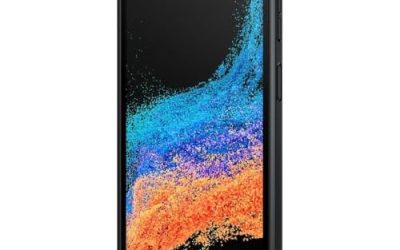
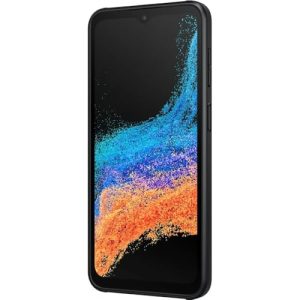
Kyocera is the other Japanese maker with a real US footprint, and its DuraSport 5G is built for people whose phones live in tool belts, trail packs and site cabins. The slim rugged design is certified to MIL-STD-810H and IP68, so it shrugs off drops onto concrete, dust, rain and a full dunking, and the screen works with wet fingers or gloves. At 185g it is far lighter than most rugged phones, which tend to feel like bricks. A 48MP main camera, a 16MP ultrawide and push-to-talk support round out a spec sheet aimed at work crews and outdoor use rather than entertainment.
The hardware underneath is modest: a Snapdragon 480 5G chip, 4GB of RAM and 64GB of storage, fine for calls, maps, messaging and job-site apps but not for heavy gaming. The buying picture also needs care. Kyocera’s US phones are Verizon-led, and the Amazon listing most often surfaced is the Verizon-locked C6930 model. The carrier-unlocked C6931 version is the one to buy: it is sold through Amazon marketplace sellers under ASIN B0GGX285K6, the listing recorded in the reference table below. Whichever listing you use, confirm the exact model number on the listing and in the box: C6931 for the unlocked version, not the Verizon-locked C6930.
Specs
- Display: 6.1-inch FHD+ display with wet and glove touch support
- Processor: Qualcomm Snapdragon 480 5G
- Memory: 4GB RAM, 64GB storage, microSDXC expansion up to 1TB
- Rear cameras: 48MP main, 16MP ultrawide
- Front camera: 8MP
- Battery: 4,500mAh, Qi wireless charging, Quick Charge 4.0 over USB-C
- Durability: IP68 water and dust resistance, MIL-STD-810H certified
- Extras: programmable push-to-talk key, fingerprint and face unlock
- Weight: 185g
- Networks: carrier-unlocked C6931 version; the common C6930 listing is Verizon locked
Sharp Aquos sense9: the compact import
Sharp’s Aquos sense line is Japan’s quiet success story: compact, waterproof phones with superb screens that sell in the millions at home. The sense9 is the current model, built around a 6.1-inch Pro IGZO OLED display whose refresh rate varies from 1Hz to 240Hz, a trick that keeps motion smooth and battery drain low. It weighs 166g, carries IP68 sealing and MIL-STD-810H drop certification, and pairs a Snapdragon 7s Gen 2 chip with dual 50.3MP rear cameras and a 32MP front camera. On paper it is the strongest mid-range phone in this guide.
The problem is purely logistical. Sharp does not sell phones through US retail channels, and no verified Amazon US listing for the sense9 could be confirmed when this guide was prepared, which is why its row below is marked pending verification. Units reach the US through importers and overseas storefronts instead. Anyone importing one should confirm the LTE and 5G bands against their carrier, since Japanese models emphasize the bands used in Japan, and should expect a seller warranty rather than Sharp US support, because no such support exists. Fujitsu’s Arrows phones sit in the same position: appealing hardware, no US sales channel. For most readers the sense9 is a phone to admire and, for now, to skip.
Specs
- Display: 6.1-inch Pro IGZO OLED, variable 1Hz to 240Hz refresh rate
- Processor: Qualcomm Snapdragon 7s Gen 2
- Memory: 6GB or 8GB RAM, 128GB or 256GB storage, microSDXC expansion
- Rear cameras: dual 50.3MP cameras (main and ultrawide)
- Front camera: 32MP
- Battery: 5,000mAh
- Durability: IP68 water and dust resistance, MIL-STD-810H certified
- Weight: 166g
- Software: Android 14 at launch
- Availability: import only; no verified Amazon US listing
How to choose
Check carrier fit before anything else. Every Sony in this guide is a GSM phone: the unlocked international versions work on AT&T and T-Mobile networks and their MVNOs, and their listings state that Verizon and Sprint are not supported. Verizon customers should look at Kyocera’s carrier range instead, and everyone should match the exact model number in a listing to the bands their carrier uses, because Japanese-market variants of the same phone can carry different radios.
Next, decide what you are paying for. The Xperia 1 VI earns its flagship position with the zoom camera, the fastest chip and the best screen; the Xperia 10 VII trades raw speed for a lighter body, a 120Hz screen and the longest update support; the Xperia 10 VI is the value play while stock remains. Ruggedness is Kyocera’s whole argument, and it is a good one for field work, but its performance tier is entry level. Sharp is the enthusiast import: buy it only with eyes open about bands and warranty.
Finally, read the listing, not just the headline. Confirm whether a Sony listing is a US official model or an international version, because warranty cover differs between them. Confirm storage size and color, since one listing can host several variants. And for any Japanese phone, check the return window: if the bands or the software region disappoint, a painless return matters more than a small saving.
Who should skip a Japanese smartphone
Verizon subscribers should skip most of this guide: the unlocked Sony models are GSM-only, and Kyocera’s unlocked stock is inconsistent. Buyers who rank warranty support first should also pass, because international versions and imports are covered by the seller at best, and Sharp and Fujitsu offer no US service network at all. Anyone who wants to walk into a store, hold the phone and walk out with it activated will find nothing here; Japanese brands sell online and through carriers in narrow channels. And if your priority is the longest possible software support from a US retailer with local repairs, a mainstream US-market flagship remains the safer purchase, the Xperia 10 VII’s update promise notwithstanding.
Frequently Asked Questions
Will a Japanese smartphone work on my US carrier?
The unlocked Sony models in this guide are GSM phones that work on AT&T, T-Mobile and their prepaid brands, and their listings state that Verizon and Sprint are not supported. Kyocera sells Verizon-certified models, including unlocked versions of the DuraSport 5G. Whatever the brand, match the listing’s exact model number against your carrier’s LTE and 5G bands before ordering, because regional variants differ.
Do these phones come with a US warranty?
US official Sony models carried a US warranty, but the international versions that dominate current Amazon listings do not; cover, if any, comes from the seller. Imported Sharp and Fujitsu phones have no US manufacturer support at all. Read the warranty line in the specific listing you buy from, and factor the return window into the decision.
Why are Sharp and Fujitsu phones so hard to buy in the US?
Both brands build primarily for Japan’s domestic carriers, where phones are sold through carrier shops with Japan-specific features and bands. Neither runs a US retail operation for phones, so their handsets reach American buyers only through importers. That route adds markup, removes warranty cover and can leave gaps in US band support, which is why this guide lists the Aquos sense9 as import-only rather than a normal pick.
Which Japanese smartphone has the best camera?
The Xperia 1 VI, by a wide margin. Its telephoto lens zooms optically and continuously from 85mm to 170mm, the main sensor is large for a phone, and the camera software offers the manual control set of Sony’s Alpha cameras, including real-time eye autofocus for people and animals. The Xperia 10 VII is the runner-up for everyday photos at a much lower price tier.
Final verdict
For most buyers, the Sony Xperia 1 VI is the Japanese smartphone to get: a genuine flagship with a camera system nothing else in this guide approaches, sold unlocked on Amazon today. The Xperia 10 VII is the smarter spend for everyday use, and the Xperia 10 VI is the light, long-lasting value pick while stock lasts. Kyocera’s DuraSport 5G serves the rugged niche, provided you track down the unlocked C6931 model, and Sharp’s Aquos sense9 shows what US buyers are missing until Sharp sells here officially. Buy the Sony that fits your budget, verify the model number and warranty terms on the listing, and enjoy a phone almost nobody else at the table owns.
Product and ASIN Reference
| Product | ASIN |
|---|---|
| Sony Xperia 1 VI XQ-EC72 5G Dual 256GB 12GB RAM Factory Unlocked (Khaki Green) | B0D54W88HG |
| Sony Xperia 10 VII XQ-FE72 128GB 8GB Dual SIM Factory Unlocked (Black) | B0G3PL626Z |
| Sony Xperia 10 VI XQ-ES72 5G 128GB 8GB RAM Factory Unlocked (White) | B0D612D26C |
| Kyocera DuraSport 5G C6931 Carrier Unlocked Rugged Smartphone | B0GGX285K6 |
| Sharp Aquos sense9 (SH-M29) SIM-Free Smartphone | Pending verification |
FAQ
Will a Japanese smartphone work on my US carrier?
Do these phones come with a US warranty?
Why are Sharp and Fujitsu phones so hard to buy in the US?
Which Japanese smartphone has the best camera?
More from Amazon
Programs that pair well with the guide above. Offers and eligibility are set by Amazon and may change.
Free shipping on eligible items, Prime Video and more. Eligible new members can start with a free trial.
Start a Prime free trialA Prime membership for ages 18-24 with a trial period. Eligibility is set by Amazon.
See Prime for Young AdultsAudiobooks and podcasts to listen to on the go. Eligible new members can start with a free trial.
Try Audible freeAd-free music streaming. Eligible new subscribers can start with a free trial.
Try Music Unlimited freeAs an Amazon Associate we earn from qualifying purchases.