Key takeaways
- Install the manufacturer’s driver before connecting or configuring the tablet, following the model’s instructions.
- In the driver panel, map the active area to the monitor you use for drawing and set the display orientation.
- Open your art program and enable pen-pressure input in its brush settings; test pressure with a simple brush before starting a project.
- Set a comfortable screen angle and disable or configure touch gestures if your palm triggers unwanted actions.
Best drawing tablets for beginners: the right pick depends on how you want to draw
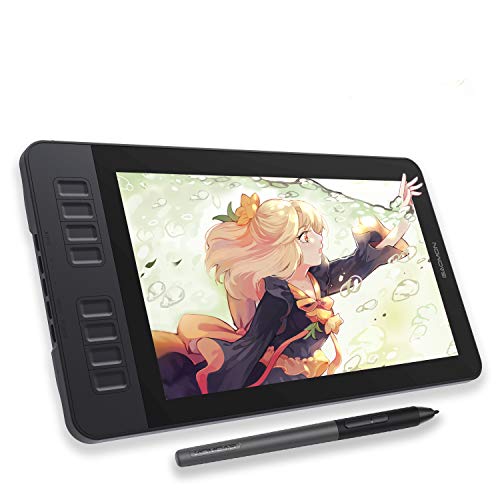
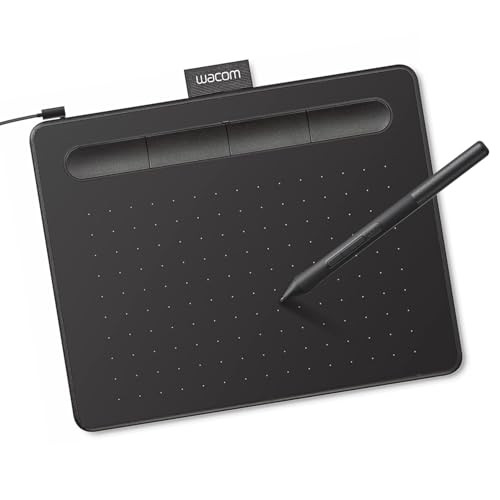
The best drawing tablets for beginners are a screenless model such as the Wacom Intuos Small if you want a simple, low-cost start; the XP-Pen Artist 12 (2nd Generation) if drawing directly on a screen matters; and the Wacom One 13 Touch if you want a larger, more flexible display and can spend more. The key trade-off is not just price: screenless tablets take a little hand-to-eye coordination, while pen displays need more desk space, cables, and setup.
Before choosing, check the active area (the part that actually tracks the pen), pressure sensitivity, computer and software compatibility, and whether the tablet needs a separate power connection. Those details have more impact on day-to-day use than a high-looking pressure level alone.
Our top picks


As an Amazon Associate we earn from qualifying purchases at no extra cost to you. Ratings are shown as listed on Amazon.
Compare the main beginner options
Specifications can vary by configuration and region, so confirm the exact model before buying. Active area is listed in inches; weights are approximate and may exclude cables or accessories.
| Tablet | Design | Active area / display | Pressure levels | Connection and setup | Typical price range |
|---|---|---|---|---|---|
| Wacom Intuos Small | Screenless | 6.0 × 3.7 in | 4,096 | USB; Bluetooth on some versions | About $40–$100 |
| Huion Inspiroy 2 M | Screenless | 8.7 × 5.4 in | 8,192 | USB; shortcut controls | About $50–$100 |
| XP-Pen Artist 12 (2nd Generation) | Pen display | 11.9-in display; 10.0 × 5.6-in working area | 8,192 | Multi-cable connection; computer required | About $180–$300 |
| Wacom One 13 Touch | Pen display with touch | 13.3-in display | 4,096 | Computer or compatible device; cable setup varies | About $400–$600 |
These are representative model specifications, not a promise that every regional bundle includes the same pen, cable, stand, or software. Prices are broad market ranges rather than current store quotes.
Choose by situation, not by the biggest spec
| Your situation | Best fit | Why |
|---|---|---|
| Trying digital art on a tight budget | Wacom Intuos Small | Compact, established driver support, and enough space for learning basic sketching and painting. |
| You want more room without a screen | Huion Inspiroy 2 M | A medium working area is less cramped for broad strokes and gives more room for shortcut controls. |
| You learn best by drawing directly on the image | XP-Pen Artist 12 (2nd Generation) | The display makes hand-to-cursor coordination feel more like paper, though it occupies more desk space. |
| You draw frequently and want touch gestures | Wacom One 13 Touch | The larger display and touch input suit longer sessions, provided your computer and budget support the setup. |
| Your desk is small or you travel | Small screenless tablet | It stores easily and avoids carrying a display, stand, and multiple cables. |
Active area: how much drawing space do you need?
Active area is the tablet surface mapped to your screen—not necessarily the tablet’s outside dimensions. A small area is portable and can work well for mouse-like wrist movements, note-taking, and learning. It can feel restrictive if you draw with your whole arm or work on a high-resolution, wide monitor.
A medium screenless tablet is often the best balance for a first dedicated art device. It offers more room for sweeping lines without taking up as much space as a pen display. If possible, compare the working area with a sheet of paper: an 8.7 × 5.4-inch surface is close to a small notebook page, while the 6.0 × 3.7-inch Intuos area is closer to a compact sketchpad.
Mapping can reduce the mismatch between tablet and monitor. Most driver utilities let you assign the tablet to one display or a portion of a display. That can make a small tablet feel more precise on a large multi-monitor setup, though it also reduces the area available for drawing.
Pressure sensitivity matters—but technique matters more
Pressure levels describe how finely a tablet can register changes in pen force. For beginners, 4,096 levels are already enough for gradual line-weight changes in many drawing programs. A model advertising 8,192 levels may offer more headroom, but the difference is unlikely to transform a sketch if the software brush is not configured for pressure.
Check that the pen is battery-free if you want to avoid charging or replacing pen batteries, and see whether the tablet includes replacement nibs. Nibs gradually wear against the surface; rough surfaces and heavy pressure wear them faster. Keep the drawing surface free of grit, because a small particle can leave scratches as the pen moves.
Screen or screenless: which learning curve is easier?
A screenless tablet is usually less expensive and simpler to position. You draw on the tablet while looking at the monitor. That hand-to-eye adjustment may feel awkward for a few sessions, but it becomes manageable with practice. It is also a practical choice if you mainly edit photos, make diagrams, or want to learn digital illustration without committing to a larger setup.
A pen display lets you draw on the image itself, which many beginners find intuitive. The trade-offs are a higher cost, a more crowded desk, and extra display setup. You may need to connect both video and USB cables, install a driver, set the display’s resolution and scaling, and calibrate the pen cursor. A pen display also needs a computer or compatible device unless its product description explicitly identifies it as a standalone tablet.
Software compatibility and setup before you buy
Confirm operating-system support for the specific model and driver version, especially if you use a recent macOS, Windows, ChromeOS, or Linux system. Also check the drawing app you plan to use. Krita is a free desktop option; Clip Studio Paint and Adobe Photoshop are paid options. Bundled software and trial periods change, so choose based on the tablet’s hardware and your intended app rather than assuming a particular bundle is permanent.
- Install the manufacturer’s driver before connecting or configuring the tablet, following the model’s instructions.
- In the driver panel, map the active area to the monitor you use for drawing and set the display orientation.
- Open your art program and enable pen-pressure input in its brush settings; test pressure with a simple brush before starting a project.
- Set a comfortable screen angle and disable or configure touch gestures if your palm triggers unwanted actions.
If the pen moves the cursor but pressure does not work, check both the tablet driver and the app’s input settings before assuming the pen is faulty. Avoid installing multiple tablet-brand drivers at once; conflicting drivers can cause cursor jumps or missing pressure response.
Ownership details that affect the real cost
Screenless tablets generally have fewer setup parts to manage. Displays add a screen surface, stand, and cables; protect the display from grit and avoid pressing harder to compensate for a brush that is not pressure-sensitive. On either type, the most common recurring consumable is the pen nib. Replacement nibs are usually inexpensive, but confirm that the model’s nibs are available and included quantity meets your needs.
For a first purchase, the safest choice is a medium screenless tablet if you are unsure whether digital drawing will become a regular hobby. Pick a pen display when drawing directly on-screen is a priority, not simply because it looks more advanced. And if your current computer is old or you draw away from a desk, check connection and compatibility requirements first—those can matter more than the tablet’s headline pressure number.