Key takeaways
- Compare the best 130/90-16 rear motorcycle tires for cruisers, with bias-ply Dunlop and Shinko picks checked by size, load index, and rear fitment today.
As an Amazon Associate we earn from qualifying purchases.
A 130/90-16 rear tire is a narrow, tall-profile fitment that has served metric cruisers and older V-twin machines for decades, and it is a size where the details matter more than the brand badge. The full size string for this guide is 130/90-16: a 130 mm section width, a sidewall height equal to 90 percent of that width, and a 16-inch rim. Many listings write the same size as 130/90B16 when the construction is bias-ply, and the older alpha designation MT90B16 covers closely related dimensions in manufacturer conversion charts. Those notations are not a licence to substitute freely. A tire only belongs on your rear wheel when the size, the rear position, the load index, and the speed rating all match what your motorcycle maker specifies.
This guide is deliberately short. The honest position is that the current Amazon US market for a rear-only motorcycle tire in exactly this size is thin, and several well-known cruiser tire families either list this dimension only as a front tire or could not be confirmed in the correct rear variant during research. Rather than padding the list with front tires, wrong sizes, or unverified family listings, the picks below are limited to rear tires whose listings state the 130/90-16 size directly. Every specification here comes from the product listings and manufacturer details available at the time of writing, not from any detailed research, and each pick should be rechecked on its live listing before you order.

Quick Picks
| Product | Best for | Key listed spec |
|---|---|---|
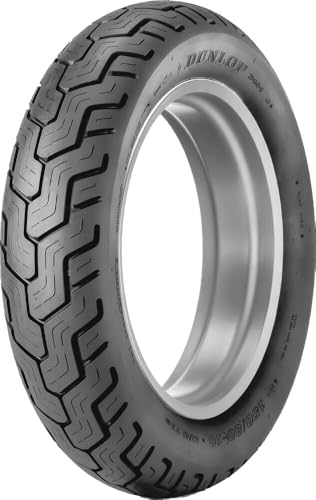
| Dunlop D404 Metric Cruiser Rear Tire, 130/90H-16 Blackwall | Metric cruiser riders replacing a stock rear tire | Bias-ply rear, 67H, directional tread |
| Shinko 777 Rear H.D. Motorcycle Tire, 130/90B-16 (73H) Black Wall | Heavier cruisers that need the higher load index in this size | Reinforced heavy-duty carcass, 73H, 805-pound listed load capacity |
| Dunlop D404 Rear Tire, 130/90-16 | Riders matching a vehicle-specific D404 rear fitment | Bias-ply rear, 67H, fitment-listed for specific cruiser models |
Two of the three picks come from the same Dunlop D404 family, sold through two distinct listings with different fitment framing. That duplication is stated openly here because it reflects the real state of this size on Amazon US: the choice is narrower than the search results first suggest. The more useful decision is usually not which of five unrelated tires looks best, but whether the load index, the construction, and the stated fitment of the tire you can actually buy match the specification in your owner’s manual.
How to Choose a 130/90-16 Rear Tire
Start With the Complete Size String, Not the Rim Diameter Alone
Sixteen-inch rear wheels appear across cruisers in several widths and profiles, including 130/90-16, 140/90-16, and 150/80-16, and none of those sizes interchange by default. Read the size molded into the sidewall of the tire currently fitted, then read the size on the motorcycle’s tire placard or in the owner’s manual, and buy only when both agree with the listing. The aspect ratio matters as much as the width: a 90-profile tire is tall, and fitting a lower-profile tire of the same width changes overall diameter, clearance, gearing effect, and speedometer reading. A listing headline that says 16-inch is marketing shorthand, not a fitment confirmation.
Understand the MT90B16 Question Before You Use It
Riders searching this size quickly meet the alpha size MT90B16, used by Harley-Davidson fitments and by touring families such as the Dunlop D402. Manufacturer conversion charts place the 130/90 metric size alongside MT90 in general tables, which is why the two are discussed together. A conversion chart, however, is a general reference, not an approval for your motorcycle. Load index, speed rating, rim width approval, and the maker’s own specification still decide. If your manual specifies MT90B16 and a listing specifies 130/90-16, settle the swap with the manual and the tire maker’s fitment guide, not by assumption. The picks in this guide are listed in the metric 130/90-16 size itself, so no conversion assumption is built into them.
Match the Load Index to the Bike, the Rider, and the Luggage
The two-digit load index after the size is the figure riders in this size class most often undercheck. In the picks below, the Dunlop listings carry a 67H designation and the Shinko 777 H.D. carries 73H, with an 805-pound load capacity stated in its listing. A loaded cruiser with a passenger and saddlebags works its rear tire far harder than the same bike ridden solo. Choose a tire whose load index meets or exceeds the specification in your manual, and never solve a load problem by overinflating a lower-rated tire. If your bike’s specified index is 73 and a listing offers only 67, that listing is the wrong tire for your bike no matter how familiar the tread looks.
Bias-Ply Is the Normal Construction in This Size, and That Is Fine
Every pick in this guide is a bias-ply or bias-belted design, which reflects the size class rather than a shortcoming. Tall-profile cruiser tires in 130/90-16 were engineered around bias construction, and the listings describe bias casings in terms of load-carrying capacity, stability, and ride comfort. A radial in a different size is not an upgrade path for a bike specified for this fitment. What matters is that the construction in the listing matches what your motorcycle maker approves, and that front and rear tires are a compatible pairing in intent and construction type.
Confirm Rear Position, Because This Size Is Also Sold as a Front Tire
The 130/90-16 size is unusual in that it is sold in both positions: several manufacturers list it as a front tire for larger cruisers and as a rear tire for smaller and mid-size cruisers. The Dunlop D404, the Shinko 777, the Michelin Commander families, and the Bridgestone Battlecruise H50 all include a 130/90-16 front variant, and search results mix those front listings into rear-tire queries without warning. A front tire’s tread and profile brief differs from a rear tire’s, and mounting a front-listed tire on the rear wheel is a fitment error even when the size string matches letter for letter. Each pick below is a listing that states the rear position in its own title or specification, and your final check before ordering should be the same: the word rear, in the listing, attached to the variant in your cart.
Check Tube Type Against Your Wheels
Cruisers in this size class span spoked wheels that require tubes and cast wheels that run tubeless, and the listings in this guide describe tubeless-capable bias tires. A tube-type wheel always needs the correct tube and rim strip regardless of the tire’s marking. Check the listing’s tube information, inspect your rim, and order the tube at the same time if your setup needs one. Also plan to check the replacement’s date marking on delivery, since low-volume sizes can sit in warehouses longer than fast-moving fitments.
The Picks in Detail
Dunlop D404 Metric Cruiser Rear Tire, 130/90H-16 Blackwall
- Size: 130/90-16, listed as 130/90H-16
- Position: Rear
- Construction: Bias-ply
- Load and speed designation: 67H
- Sidewall: Blackwall
This is the most direct answer to the search: a rear tire whose own listing title carries the full metric size, the rear position, and the cruiser brief together. Dunlop describes the D404 rear as a value-focused tire for a wide range of modern metric cruisers and older metric bikes, and the listing names original-equipment use on models including the Honda Shadow Aero, the Yamaha V-Star 1100 and Royal Star, and the Kawasaki Vulcan Nomad. That fitment history tells you the design brief: predictable handling, load-carrying manners, and a tread compound presented as balancing mileage against grip, rather than outright sport performance.
The construction details support that brief. The bias-ply casing is described as delivering load-carrying capacity together with a smooth ride, the tread pattern is presented as evacuating water for wet grip, and an offset center groove is credited with straight-line stability. For a rider replacing a worn rear on a metric cruiser that specifies this size and the 67 load index, those are the relevant claims, and they are claims about the listing’s stated design rather than about any test result. One boundary is printed in the listing itself: this metric cruiser D404 is noted as not for use on Harley-Davidson motorcycles, whose fitments in this dimensional class are normally specified in the alpha MT90B16 form and served by other Dunlop lines.
Choose this pick when your manual specifies a 130/90-16 rear with a 67H designation and your bike is one of the metric cruisers the D404 range was built around. Skip it when your specified load index is higher, when your bike is a Harley-Davidson fitment, or when the variant in your cart does not state the rear position and this size together.
Shinko 777 Rear H.D. Motorcycle Tire, 130/90B-16 (73H) Black Wall
- Size: 130/90B-16, listed in the specification table as 130/90-16
- Position: Rear
- Construction: Bias, heavy-duty reinforced carcass with aramid belting described in related listing material
- Load and speed designation: 73H
- Listed load capacity: 805 pounds
- Sidewall: Black wall
The Shinko 777 H.D. is the load-capacity pick in this size. Its listing specifies a 73H designation and an 805-pound load capacity, figures that sit above the 67H Dunlop listings and that matter for heavier cruisers, for two-up riding, and for bikes that tour with luggage. The H.D. designation refers to the heavy-duty version of the 777, built around a reinforced carcass that the listing material describes as supporting a more stable ride. The model named in the listing is the SR777 rear in 130/90B16 form, with the manufacturer part number 87-4594, a second identifier to cross-check on delivery.
The tread description is the other half of this pick’s case. The listing specifies an asymmetrical tread type, and Shinko’s 777 material describes siping and grooves intended to support traction in wet and dry conditions, with a compound formulated for grip and comfort. For a rider whose miles include wet commuting or touring, that stated wet-and-dry brief is a reasonable basis for choosing this tire over a mileage-only design, provided the load and size figures already match. The 777 family also sells a front tire in this same size, so the rear designation in this listing’s title is doing real work: confirm it again in the variant you select.
Choose this pick when your manual specifies a 73 load index in this size, when you ride two-up or loaded, or when you want the reinforced heavy-duty carcass the H.D. version is built around. Skip it when your specified index is lower and your bike maker approves only the standard construction, or when you cannot confirm the rear variant, because the same family name covers front fitments in identical-looking listings.
Dunlop D404 Rear Tire, 130/90-16
- Size: 130/90-16
- Position: Rear
- Construction: Bias-ply, listed as 4-ply in the specification details
- Load and speed designation: 67H
- Fitment framing: Vehicle-specific fit, with listed applications in the specification material
The second D404 listing takes a different route to the same size: instead of the metric cruiser blackwall framing, this listing presents the D404 rear in 130/90-16 as a vehicle-specific fitment, with application information naming specific cruiser models, including a Kawasaki Vulcan 1500 Classic application in the details. Its specification describes the same core D404 design language: a tread compound presented as balancing mileage and grip, tread patterns designed for water evacuation and wet grip, bias-ply construction aimed at load-carrying capacity and ride comfort, and an offset center groove for straight-line stability.
Why include a second listing from the same tire family in a three-pick guide? Because for this size, availability is the practical problem. Low-volume fitments go in and out of stock unevenly across listings, and a rider whose bike specifies a 67H rear in this size is better served by two verified routes to a correct tire than by a longer list padded with front tires and unverified family pages. The two listings are not presented as different-performing tires, and no difference in road behaviour is claimed between them.
Choose this pick when the metric cruiser listing is unavailable, when your bike appears in this listing’s stated applications, or when its vehicle-specific fitment framing matches how you shop. Skip it, and this whole size, when your manual calls for a higher load index or a different size altogether, and do not treat the application list as permission to fit the tire to a model it does not name without checking the maker’s fitment guide.
Which Tire Fits Your Situation
Your Metric Cruiser Specifies 67H and You Ride Mostly Solo
Start with the Dunlop D404 Metric Cruiser Rear. Its listing is written for exactly that case: a metric cruiser rear in this size, with original-equipment history on common metric models, a comfort-and-load bias-ply brief, and wet-road tread features. Confirm the not-for-Harley note does not affect you, confirm the 67 index matches your manual, and you have the most straightforward replacement in this size.
Your Bike Is Named in a Vehicle-Specific D404 Application List
Use the second Dunlop D404 listing as your starting point and work through its stated applications against your exact model and year. Vehicle-specific framing supports the manual rather than replacing it: the size, position, and load index still have to agree across the listing, the placard, and the book.
Your Manual Specifies MT90B16 Instead
Do not order from this guide on conversion-chart logic alone. The metric and alpha sizes are related in manufacturer conversion tables, but your next step is the tire maker’s fitment guide for your exact model, or a dealer check. If the approval is not documented, buy the tire listed in the size your manual actually names.
Common Mistakes With This Size
The first mistake is buying the front tire. This size is sold in both positions by several brands, search results blend the listings, and the size string alone cannot tell you which end of the bike a tire belongs on. The second mistake is ignoring the load index because the size matches: a 67H tire and a 73H tire share a size string and differ in the capacity the bike may require. The third mistake is treating MT90B16 and 130/90-16 as interchangeable without a documented approval for the specific motorcycle. The fourth is fitting a tire from a family listing without confirming that the variant in the cart is the rear 130/90-16, since family pages for cruiser tires routinely span a dozen sizes and both positions. The fifth is reusing an old tube and rim strip on a spoked wheel to save a small amount of money on a safety-critical assembly.
Frequently Asked Questions
Is 130/90-16 the same size as 130/90B16?
They describe the same width, profile, and rim diameter. The B states the bias construction explicitly, while listings that write 130/90-16 may state the construction separately in their specifications. Confirm the construction, load index, and rear position in the listing rather than relying on the size string alone.
Can I fit a 130/90-16 rear tire where MT90B16 is specified?
Manufacturer conversion charts relate the two designations, but a chart is not a fitment approval. Fit a metric-size tire to an alpha-size specification only when your motorcycle maker or the tire maker’s fitment guide documents that approval for your model, with the load index your bike requires.
Why are there so few picks in this guide?
Because the verified market is genuinely narrow. Several major cruiser tire families list this dimension only as a front tire, or only as part of a family page whose correct rear variant could not be confirmed. A short list of confirmed rear listings serves a rider in this size better than a long list built on near misses.
Does the load index really matter if the size is correct?
Yes. The load index is part of the fitment, not an optional upgrade. A tire with a lower index than your manual specifies is the wrong tire for your motorcycle even in the correct size, and the difference between the 67H and 73H listings in this guide is exactly the kind of difference that decides which pick belongs on a heavier or two-up bike.
Should I replace the front tire at the same time?
Not automatically, but inspect it honestly. A new rear paired with a worn or aged front produces mismatched behaviour at the two ends of the bike. If the front is near its wear limit or its age code shows an old tire, plan the pair; if it is healthy and of compatible intent, a rear-only replacement in the correct size and position is a normal service decision.
Disclosure
Disclosure: This article contains affiliate links. If you buy through those links, a commission may be earned at no additional cost to you. Product information was taken from the listings and manufacturer details available at the time of writing, and specifications should be confirmed on the live listing before purchase.
FAQ
Is 130/90-16 the same size as 130/90B16?
Can I fit a 130/90-16 rear tire where MT90B16 is specified?
Why are there so few picks in this guide?
Does the load index really matter if the size is correct?
Should I replace the front tire at the same time?
More from Amazon
Programs that pair well with the guide above. Offers and eligibility are set by Amazon and may change.
Free shipping on eligible items, Prime Video and more. Eligible new members can start with a free trial.
Start a Prime free trialA Prime membership for ages 18-24 with a trial period. Eligibility is set by Amazon.
See Prime for Young AdultsAudiobooks and podcasts to listen to on the go. Eligible new members can start with a free trial.
Try Audible freeAd-free music streaming. Eligible new subscribers can start with a free trial.
Try Music Unlimited freeAs an Amazon Associate we earn from qualifying purchases.