Our Short List of 3

- Best for: Drivers who want one snow-rated set to run all year on a midsize crossover.
- Size: 235/55R18 100V
- Section width: 235 millimeters
- Load capacity: 1,764 pounds
- Tread depth: 10/32nds

- Best for: Crossover drivers in rainy regions that still see real snow several times a winter.
- Size: 225/65R17 SL 102 H
- Section width: 225 millimeters
- Load capacity: 1,874 pounds
- Tread depth: 0.34 inches
- Best for: Larger crossovers and family vehicles in regions with long, snowy winters.
- Size: 245/60R18 105H
- Load index: 105
- Speed rating: H
- Three Peak Mountain Snowflake certified
All 4 Picks at a Glance
| Product | Specs | Action |
|---|---|---|
| Michelin CrossClimate 2 |
| Check price on Amazon |
| Goodyear Assurance WeatherReady 2 |
| Check price on Amazon |
| Firestone WeatherGrip |
| Check price on Amazon |
 Falken Aklimate |
| Check price on Amazon |
Key takeaways
- Compare the best all-weather tires with a 3PMSF snow rating: CrossClimate 2, WeatherReady 2, WeatherGrip and Aklimate picks for year-round driving.
The real decision here is not which tire grips best on a dry road in July. It is whether one set of tires can get you through a January snowstorm without a second set of winter wheels taking up space in the garage. All-weather tires exist for exactly that trade: they carry the three-peak mountain snowflake rating that ordinary all-season tires lack, while still being built to run through summer heat. Picking the wrong one usually means paying for the rating and never checking whether the size, load index and tread design actually suit your car.
This guide is for drivers of sedans, hatchbacks and crossovers who face real snow a handful of times each winter but cannot justify dedicated winter tires. Every model below was chosen from the names and specifications on its Amazon listing, and each one is a genuine all-weather tire with the severe snow rating stated in the listing, not a plain all-season tire wearing a similar name.
Quick Picks
As an Amazon Associate we earn from qualifying purchases
| Product | Best for | Key spec from title |
|---|---|---|
| Michelin CrossClimate 2 | One tire for every season | 235/55R18 100V, directional tread |
| Goodyear Assurance WeatherReady 2 | Wet roads with regular snow | 225/65R17 102H, severe snow designation |
| Firestone WeatherGrip | Larger crossovers in snow country | 245/60R18 105H, 3PMSF certified |
| Falken Aklimate | Smaller cars on 16-inch wheels | 205/65R16 95H, 3PMSF rated |
How to Choose
Look for the three-peak mountain snowflake, not just M+S
The single most important check is the three-peak mountain snowflake symbol molded into the sidewall. It means the tire passed a standardized snow traction test, which is what separates an all-weather tire from a regular all-season tire that only carries an M+S marking. M+S is based on tread geometry, not on measured winter grip, so plenty of all-season tires wear it without offering much help on a snow-covered hill. Every tire in this guide carries the severe snow rating in its listing. If a listing does not state the rating clearly, treat the tire as an all-season and keep looking.
Match size, load index and speed rating to the door placard
Open the driver door and read the placard before you read any product page. It lists the exact size your car was built for, plus the load index and speed rating the suspension and gearing assume. A tire with a lower load index than specified is a safety problem, not a bargain, and a lower speed rating can change how the car feels at highway pace. The listings here span common fitments from 205/65R16 up to 245/60R18, so start from your placard numbers and only compare models that match them exactly.
Weigh the treadwear warranty as a longevity signal
All-weather tires use softer, winter-friendly compounds, so the mileage warranty is your best clue to how a maker expects the tire to age. The models in this guide carry treadwear warranties in the 60,000 to 65,000 mile range, which is strong for a snow-rated tire. A longer warranty does not guarantee longer life on your car, since alignment, rotation habits and road surfaces all play a part, but it does show how much wear the manufacturer is willing to stand behind. Check the warranty figure in the listing before you fall for a tread pattern.
Know what a directional tread means for rotations
Three of the four tires here use a directional tread, which is molded to channel water and slush in one direction of travel. The upside is strong wet grip and confident evacuation of standing water. The trade-off is that directional tires can only rotate front to back on the same side of the car, never side to side, which limits how evenly you can correct uneven wear. If your car is known for wearing one shoulder faster than the other, ask your installer how they plan to rotate a directional set before you commit to one.
The 4 Best Options
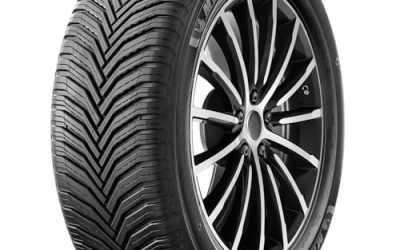
Michelin CrossClimate 2
- Best for: Drivers who want one snow-rated set to run all year on a midsize crossover.
- Size: 235/55R18 100V
- Section width: 235 millimeters
- Load capacity: 1,764 pounds
- Tread depth: 10/32nds
Drivers who want one snow-rated set to run all year on a midsize crossover.
The directional tread limits rotation to front-to-back only, and this listing is one specific size, so confirm your placard size before ordering.
The CrossClimate 2 is the default answer for drivers who want to stop thinking about seasonal changeovers entirely. Its V-shaped directional tread is built to keep biting in snow even as the tread wears down, and the listing backs it with a 60,000-mile warranty, which is remarkable for a tire with this much winter ability. This 235/55R18 fitment suits midsize crossovers such as the RAV4 and Equinox class of vehicles. If your winters bring plowed but slushy roads rather than deep unplowed snow, and your summers are long and hot, this is the most balanced set of compromises in the guide.
Goodyear Assurance WeatherReady 2
- Best for: Crossover drivers in rainy regions that still see real snow several times a winter.
- Size: 225/65R17 SL 102 H
- Section width: 225 millimeters
- Load capacity: 1,874 pounds
- Tread depth: 0.34 inches
Crossover drivers in rainy regions that still see real snow several times a winter.
The H speed rating may be lower than the V rating some crossovers left the factory with, so check your placard before switching.
The WeatherReady 2 leans into the wet half of the all-weather brief. Its listing highlights a tread compound that stays adaptable across seasons and earns the severe snow designation, so it is aimed at drivers whose winters are more about cold rain and slush than blizzards. The 225/65R17 size is one of the most common crossover fitments on the road, covering vehicles like the CR-V, RAV4 and Outback. A 60,000-mile treadwear figure in the listing data puts it level with the Michelin on paper, so the choice between them comes down to whether your bad-weather driving is mostly wet or mostly snowy.
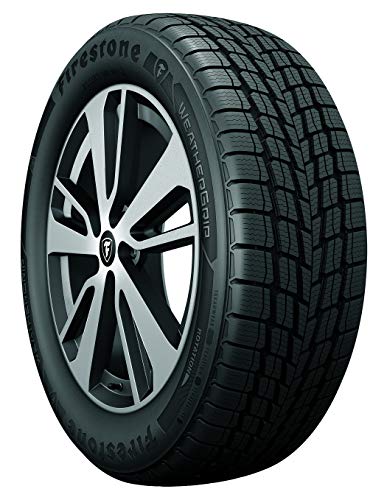
Firestone WeatherGrip
- Best for: Larger crossovers and family vehicles in regions with long, snowy winters.
- Size: 245/60R18 105H
- Load index: 105
- Speed rating: H
- Three Peak Mountain Snowflake certified
Larger crossovers and family vehicles in regions with long, snowy winters.
The 245/60R18 size is a big fitment, so verify wheel width and fender clearance on smaller crossovers before ordering.
The WeatherGrip is the snow-first option in this group. Firestone built it around winter traction hardware, with snow traction claws, open shoulder slots for clearing slush and water, and the three-peak mountain snowflake certification stated plainly in the listing. The 245/60R18 fitment targets larger crossovers and family haulers that carry more weight and need the higher 105 load index. Its 65,000-mile limited warranty is the longest in this guide, which helps if your vehicle covers big annual mileage. Choose it when your winter is the season you plan around, and summer is simply the season you drive through.
Falken Aklimate
- Best for: Compact and midsize cars on 16-inch wheels that need a genuine snow rating.
- Size: 205/65R16 95H
- Load index: 95
- Speed rating: H
- Model: Aklimate
Compact and midsize cars on 16-inch wheels that need a genuine snow rating.
This ASIN is the 205/65R16 size only; the Aklimate line covers many sizes, so make sure the size selector matches your placard exactly.
The Aklimate is Falken’s first all-weather touring tire, and it brings the three-peak mountain snowflake rating down to the smaller sizes that the premium brands often skip. This 205/65R16 listing fits a long list of compact and midsize sedans and hatchbacks, the cars most likely to be caught out by an early frost on ordinary all-season rubber. It is a sensible pick for a second car, a new driver’s car, or any vehicle that needs legitimate winter manners without moving to a dedicated winter set. Check the load index against your placard, since smaller fitments vary more between trims.
Which One Fits Your Situation
One car, four real seasons, nowhere to store a second set
If your garage has no room for a stacked set of winter wheels and your climate delivers everything from August heat to February snow, start with the CrossClimate 2. Its combination of a severe snow rating and a 60,000-mile warranty is the closest thing here to a fit-and-forget answer. The directional tread asks only that you rotate front to back on schedule. For a single-car household, that simplicity is the whole point.
Rain most of the year, snow a few weeks at a time
Drivers in the Pacific Northwest pattern of weather, where winter mostly means cold rain with occasional snow days, should look at the WeatherReady 2. Its listing emphasizes an adaptable compound and wet-road manners, with the severe snow designation there for the days that turn white. The common 225/65R17 fitment also makes replacements easy to source years from now. You trade a little deep-snow focus for a tire tuned to your usual weather.
A bigger family crossover that climbs to ski country
If your vehicle is a three-row or large crossover that regularly heads uphill in winter, the WeatherGrip’s snow-first design and 105 load index make it the natural fit. The open shoulder slots and snow traction features are aimed at exactly the slush and packed snow those trips involve. Its 65,000-mile warranty also suits the high annual mileage family vehicles tend to cover. Just confirm the 245/60R18 size matches your trim, since larger crossovers often offer several wheel packages.
A compact sedan that keeps getting caught by early frosts
For smaller cars on 16-inch wheels, the Aklimate solves a specific problem: most snow-rated tires ignore these fitments. It gives a compact sedan or hatchback a genuine three-peak rating for icy mornings and surprise snow, without the cost and storage of a second wheel set. That makes it a strong choice for a commuter car or a young driver’s first vehicle. Keep rotations on schedule, because smaller tires show neglect sooner.
Common Mistakes
- Assuming an M+S marking means a tire is snow rated, when only the three-peak mountain snowflake symbol reflects a passed snow traction test.
- Ordering by rim diameter alone and ignoring the load index, which can leave a heavy crossover under-supported.
- Replacing only two tires and mixing new all-weather rubber with worn all-seasons, which unbalances grip between the axles.
- Rotating directional tires side to side, which reverses the tread pattern and hurts wet evacuation.
- Skipping rotations and alignment checks, then blaming the tire when the treadwear warranty claim is denied for uneven wear.
Frequently Asked Questions
Are all-weather tires the same as all-season tires?
No. All-season is a broad marketing category, while all-weather tires are all-season tires that earned the three-peak mountain snowflake rating through a standardized snow traction test. That rating is the practical difference: an all-weather tire is certified to grip in severe snow, while a standard all-season tire makes no tested promise. If winter driving matters, shop by the symbol on the sidewall, not the product name.
Can an all-weather tire replace a dedicated winter tire?
For most drivers in moderate winter climates, yes. All-weather tires handle plowed roads, slush and light to moderate snow well enough that a second set becomes hard to justify. Dedicated winter tires still hold an edge on ice and in deep, unplowed snow, and remain the better choice for mountain regions with long winters. The dividing line is how often you drive in severe conditions.
Do all-weather tires wear out faster in summer heat?
They can wear somewhat faster than a summer-focused all-season tire, because the compound stays softer to remain flexible in the cold. The listings here show makers compensating with treadwear warranties of 60,000 to 65,000 miles, competitive with mainstream touring tires. Rotation discipline matters more than the calendar: a rotated all-weather set usually outlasts a neglected all-season set. Keep pressures at the placard figure, since underinflation accelerates shoulder wear.
How do I know an all-weather tire fits my car?
Match three numbers from your driver door placard: the full size, the load index and the speed rating. The size must be identical, the load index equal or higher, and the speed rating should match what the car came with. Then confirm the listing’s size selector is set to that exact fitment before ordering, because one product page often covers dozens of sizes. Staggered cars need each axle ordered separately.
FAQ
Are all-weather tires the same as all-season tires?
Can an all-weather tire replace a dedicated winter tire?
Do all-weather tires wear out faster in summer heat?
How do I know an all-weather tire fits my car?
More from Amazon
Programs that pair well with the guide above. Offers and eligibility are set by Amazon and may change.
Free shipping on eligible items, Prime Video and more. Eligible new members can start with a free trial.
Start a Prime free trialA Prime membership for ages 18-24 with a trial period. Eligibility is set by Amazon.
See Prime for Young AdultsAudiobooks and podcasts to listen to on the go. Eligible new members can start with a free trial.
Try Audible freeAd-free music streaming. Eligible new subscribers can start with a free trial.
Try Music Unlimited freeAs an Amazon Associate we earn from qualifying purchases.