Our Short List of 3
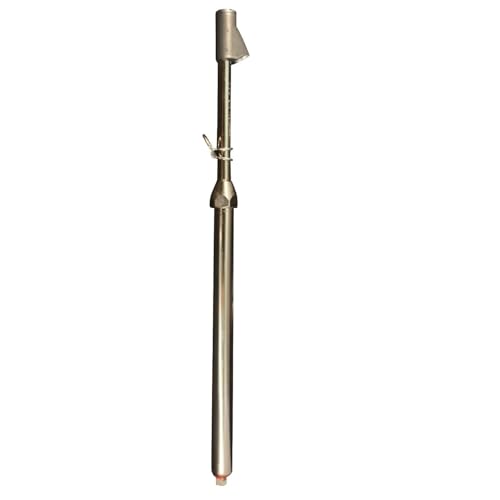
- Best for: Owner-operators who check dual wheels with a simple, battery-free gauge.
- 10-160 PSI pressure range
- Straight-foot dual-head chuck
- Analog dial with 2 PSI increments
- Brass chuck for a firm valve seal

- Best for: Fleet drivers who need high-pressure digital readings at night or in bad weather.
- 0-230 PSI pressure range
- Dual-head stainless steel chuck
- Backlit LCD display with four measurement units
- Built-in flashlight

- Best for: Drivers who want quick, precise digital checks during a pre-trip inspection.
- 100 PSI pressure range
- Digital display with locked reading
- Professional-grade accuracy
- Compact body for glove box storage
All 4 Picks at a Glance
| Product | Specs | Action |
|---|---|---|
| Milton S-986 |
| Check price on Amazon |
| AstroAI Heavy Duty Digital |
| Check price on Amazon |
| JACO Elite Digital |
| Check price on Amazon |
 AstroAI ATG250 Inflator Gauge |
| Check price on Amazon |
Key takeaways
- Compare the best semi truck tire pressure gauge 2 picks for fleets and owner-operators: digital and inflator gauges built for high-pressure truck tires.
Semi truck tires run at pressures far above car tires, and a gauge that tops out too low or cannot reach a dual-wheel valve stem is useless at a truck stop. The real decision is which gauge reads high enough, reaches the inner dual tire, and survives being tossed in a side box between checks. The four gauges below were picked from the names and specs on their Amazon pages for pressure range, chuck design, readability, and build quality, so each one suits a different kind of truck work.
This guide is for owner-operators who check their own tires, fleet drivers who run a pre-trip inspection every morning, and shop mechanics who need a gauge that reads accurately all day. Every gauge here reads in PSI and handles the high pressures of steer and drive tires, and the guide explains which chuck and display style fits each job.
Quick Picks
As an Amazon Associate we earn from qualifying purchases
| Product | Best for | Key spec from title |
|---|---|---|
| Milton S-986 | Dual wheels and straight chucks | 10-160 PSI range |
| AstroAI Heavy Duty Digital | High-pressure digital readings | 0-230 PSI range |
| JACO Elite Digital | Fast, accurate digital checks | 100 PSI range |
| AstroAI ATG250 Inflator Gauge | Inflating and checking in one tool | 3-250 PSI range |
How to Choose
Pressure Range
Pressure range is the first number to check, because a gauge that cannot read your tire pressure is useless. Semi truck steer tires commonly run near 100 PSI and drive tires near 100 PSI as well, so a gauge should read well past that point to leave room for hot tires that read higher. A 0-160 PSI gauge covers most truck tires, while a 0-230 or 0-250 PSI gauge suits fleets that run higher pressures or check tires hot after a long run. A gauge with too low a ceiling pegs its needle and tells you nothing, so pick a range with headroom above your normal pressure.
Chuck Design and Dual Wheels
The chuck decides whether you can reach the valve at all. Dual rear wheels hide the inner valve behind the outer wheel, so a straight-foot dual-head chuck or a long angled chuck reaches it without removing the wheel. A dual-head chuck has two openings, one straight and one angled, so you can press it onto inner and outer valves from different sides. Check the chuck material too, because a brass chuck seals better and lasts longer than a plastic one. If your truck has valve extenders, confirm the chuck fits them before you buy.
Analog or Digital Display
Analog dials and digital screens each suit different work. An analog dial needs no battery, reads at a glance, and keeps working in cold weather, but the needle can be hard to read in dim light. A digital gauge shows a precise number, often to a tenth of a PSI, and usually adds a backlit screen and a flashlight for night checks. Digital gauges need batteries, so keep spares in the cab. If you check tires before dawn or in a dark shop, a backlit digital display or a glow dial saves time and mistakes.
Accuracy and Build Quality
Accuracy matters because a few PSI off changes tire wear and fuel use across a whole fleet. Look for a gauge with a stated accuracy, a sturdy body, and a protective boot or case that survives drops onto concrete. A calibratable gauge can be adjusted back to true after hard use, which matters for a tool that lives in a truck box. Check the hose length on inflator gauges, because a short hose forces you to crouch beside the tire. A gauge that feels solid in the hand usually lasts longer than a light, hollow one.
The 4 Best Options
Milton S-986
- Best for: Owner-operators who check dual wheels with a simple, battery-free gauge.
- 10-160 PSI pressure range
- Straight-foot dual-head chuck
- Analog dial with 2 PSI increments
- Brass chuck for a firm valve seal
Owner-operators who check dual wheels with a simple, battery-free gauge.
The analog dial can be hard to read in dim light, so keep a flashlight handy for pre-dawn checks.
The Milton S-986 is the classic truck gauge in this guide, built around a straight-foot dual-head chuck that reaches both inner and outer dual wheels. Its analog dial reads from 10 to 160 PSI in clear two-pound marks, and the brass chuck seals firmly onto the valve without leaking air. The gauge body is built for shop and roadside use, with no battery to fail in cold weather. It suits drivers who want a simple, durable tool that works every time they pick it up.
Watch out for: The analog dial can be hard to read in dim light, so keep a flashlight handy for pre-dawn checks.
AstroAI Heavy Duty Digital
- Best for: Fleet drivers who need high-pressure digital readings at night or in bad weather.
- 0-230 PSI pressure range
- Dual-head stainless steel chuck
- Backlit LCD display with four measurement units
- Built-in flashlight
Fleet drivers who need high-pressure digital readings at night or in bad weather.
The digital display needs batteries, so keep spares in the cab and check the screen before a long trip.
The AstroAI Heavy Duty Digital gauge is the high-range digital pick in this guide, reading from 0 to 230 PSI with a backlit LCD screen. Its dual-head stainless steel chuck reaches dual wheels, and the long stem keeps your hand clear of the tire while you read. The screen shows pressure in four units and lights up for night checks, and a built-in flashlight helps you find the valve in the dark. The stainless steel body and non-slip grip suit hands that are cold, wet, or gloved.
Watch out for: The digital display needs batteries, so keep spares in the cab and check the screen before a long trip.
JACO Elite Digital
- Best for: Drivers who want quick, precise digital checks during a pre-trip inspection.
- 100 PSI pressure range
- Digital display with locked reading
- Professional-grade accuracy
- Compact body for glove box storage
Drivers who want quick, precise digital checks during a pre-trip inspection.
The 100 PSI ceiling suits standard truck pressures but leaves little room for hot tires that read higher, so check cold tires when you can.
The JACO Elite Digital gauge is the fast-check pick in this guide, built for drivers who want a precise number in seconds. It reads up to 100 PSI with professional-grade accuracy, and its compact body fits a glove box or a door pocket. The digital screen shows the pressure clearly, and the gauge locks the reading so you can pull it off the valve and read it without crouching. Its light weight and small size make it easy to carry on every pre-trip walkaround.
Watch out for: The 100 PSI ceiling suits standard truck pressures but leaves little room for hot tires that read higher, so check cold tires when you can.
AstroAI ATG250 Inflator Gauge
- Best for: Shop mechanics and drivers who inflate and check tires with one tool.
- 3-250 PSI pressure range with 0.1 display resolution
- Four measurement units: PSI, Bar, Kpa, and kg per sq cm
- Heavy-duty air chuck with rubber hose and quick-connect coupler
- Inflator trigger for adding air in short bursts
Shop mechanics and drivers who inflate and check tires with one tool.
The tool needs a compressor air supply to inflate, so it cannot add air on its own at a remote stop.
The AstroAI ATG250 is the two-in-one pick in this guide, combining a tire inflator and a pressure gauge in a single tool. It measures from 3 to 250 PSI with a 0.1 display resolution, and its heavy-duty air chuck connects to a compressor hose so you can add air and check pressure without swapping tools. A rubber hose and quick-connect coupler link it to the air supply, and the trigger lets you add air in short bursts. It suits shop work and roadside top-ups where an air line is available.
Watch out for: The tool needs a compressor air supply to inflate, so it cannot add air on its own at a remote stop.
Which One Fits Your Situation
Daily Pre-Trip Inspections
If you run a pre-trip inspection every morning, the JACO Elite Digital fits best because its compact body lives in the door pocket and its locked reading lets you check each tire and read the number standing up. Walk the truck, press the gauge onto each valve, and note any tire that reads low before you roll. Keep a spare battery in the cab so the screen never dies mid-inspection.
Dual Wheels and Outer Valves
If your truck runs dual rear wheels, pick the Milton S-986 because its straight-foot dual-head chuck reaches the inner valve without removing the outer wheel. The analog dial needs no battery, so it works in freezing weather at a roadside stop. Press the straight head onto the inner valve and the angled head onto the outer valve, and read the dial at eye level for the truest number.
Night Checks and Bad Weather
If you check tires at night or in rain, the AstroAI Heavy Duty Digital is the pick because its backlit screen and built-in flashlight light up the valve and the reading together. The 0-230 PSI range covers hot tires that read high after a long run, and the stainless steel chuck seals well even with wet hands. Wipe the chuck dry after a rain check so grit does not wear the seal.
Shop Work with an Air Line
If you work in a shop with a compressor, the AstroAI ATG250 fits because it inflates and checks pressure with one tool, saving the swap between a separate inflator and gauge. Connect the quick-connect coupler to the air line, add air in short bursts with the trigger, and watch the display settle before you stop. Its 250 PSI ceiling covers every truck tire in the shop.
Common Mistakes
- Using a car gauge that tops out below truck pressures and pegs its needle.
- Checking tires hot after a long run and treating the high reading as the cold pressure.
- Forgetting that dual wheels hide the inner valve, then skipping the inner tire entirely.
- Reading pressure with a leaking chuck, which drops the number before you see it.
- Never calibrating an analog gauge, so a bent needle reads wrong for months.
Frequently Asked Questions
What pressure should semi truck tires run at?
The correct pressure is the one listed on the tire placard inside the cab door or in the truck manual, not one number for every truck. Steer and drive tires commonly run near 100 PSI, but the exact figure depends on the tire size, the load, and the axle. Always check pressure when the tires are cold, before driving.
How do I check the inner tire on dual wheels?
Use a straight-foot dual-head chuck or a long angled chuck that reaches past the outer wheel to the inner valve. Press the straight head onto the inner valve from the gap between the wheels, and use the angled head for the outer valve. Valve extenders bring the inner valve out where a standard chuck can reach it.
Are digital tire pressure gauges accurate enough for trucks?
Yes, a quality digital gauge reads accurately enough for truck work, and many display pressure to a tenth of a PSI. Digital gauges need batteries and can drift if dropped, so compare the reading against a known-good gauge now and then. An analog gauge is simpler and needs no battery, but its needle can be hard to read precisely.
How often should I check semi truck tire pressure?
Check tire pressure before every trip and at least once a week for trucks that sit, because slow leaks and temperature swings change pressure over days. A tire that loses a few PSI each week may have a valve leak or a puncture that needs a shop look. Daily checks catch problems before they become blowouts.
FAQ
What pressure should semi truck tires run at?
How do I check the inner tire on dual wheels?
Are digital tire pressure gauges accurate enough for trucks?
How often should I check semi truck tire pressure?
More from Amazon
Programs that pair well with the guide above. Offers and eligibility are set by Amazon and may change.
Free shipping on eligible items, Prime Video and more. Eligible new members can start with a free trial.
Start a Prime free trialA Prime membership for ages 18-24 with a trial period. Eligibility is set by Amazon.
See Prime for Young AdultsAudiobooks and podcasts to listen to on the go. Eligible new members can start with a free trial.
Try Audible freeAd-free music streaming. Eligible new subscribers can start with a free trial.
Try Music Unlimited freeAs an Amazon Associate we earn from qualifying purchases.