Our Top Picks
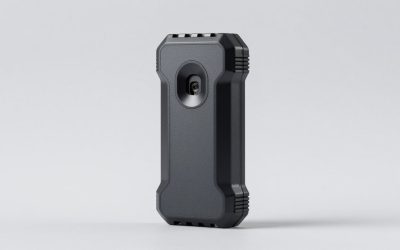
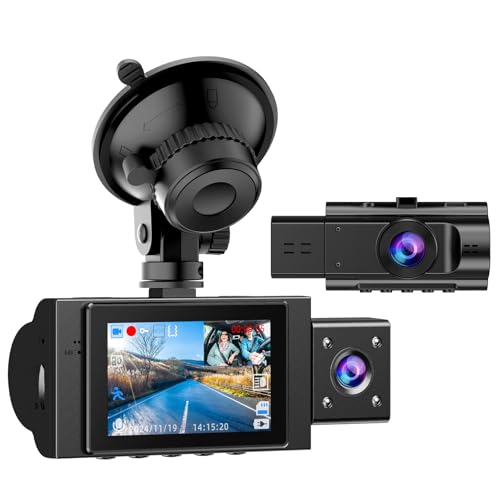 Dual Dash Cam Front and InsideFront and Inside without card4.13 x 1.57 x 1.77 inches0.7 poundsCheck on Amazon
 4K+2.5K+1296P 3 Channel Dash Cam: Front Rear Inside3-Channel for Car4 x 5.5 x 4 inches1.3 poundsCheck on Amazon
Rideshare drivers should start with a front-and-inside dual dash cam that has infrared cabin night vision, GPS and a card sized for a full shift, and in this group the COOAU D30S is the closest match, which makes it the best dash cam for rideshare drivers here: its title lists 4K recording, a cabin lens, four infrared LEDs, a supercapacitor, a G-sensor, parking mode and loop recording in a two-channel layout. Three- and four-channel models in this set add rear and side views, but they multiply storage use and privacy questions, and for many drivers those extras are more than the job needs. This page walks through all eight listings, then shows how to estimate storage for a ten-hour shift.
Which camera layout fits your driving

Eivikga 3 Channel Dash Cam, 4K+2.5K+2.5K, WiFi GPS, for Rideshare and Taxi | IMX675 STARVIS 2 Night Vision, 64GB card, HDR, Built-In G-Sensor, 24h Parking Monitor and Time Lapse


As an Amazon Associate we earn from qualifying purchases. Product prices and availability are accurate as of the date/time indicated.
Dual Dash Cam Front and Inside, 1080P Car Camera with Infrared Night Vision | 24H Parking Monitor with Motion Detection and G-Sensor, ideal for taxis, Uber, rideshare drivers


As an Amazon Associate we earn from qualifying purchases. Product prices and availability are accurate as of the date/time indicated.

COOAU D30S 4K Dash Cam with GPS Wi-Fi, Front and Inside Dual 2.5K 1080P, Uber Car Camera with Infrared Night Vision, Supercapacitor, 4 IR LEDs, G-Sensor, Parking Mode, Loop Recording


As an Amazon Associate we earn from qualifying purchases. Product prices and availability are accurate as of the date/time indicated.

IIWEY N5 4 Channel Dash Cam for Cars, 360° View 2K Front 1080P Rear Inside | Includes 128GB Card, 5G WiFi & APP Control, IR Night Vision, G-Sensor, 24 Hours Parking Mode


As an Amazon Associate we earn from qualifying purchases. Product prices and availability are accurate as of the date/time indicated.
4K+2.5K+1296P 3 Channel Dash Cam: Front Rear Inside Car Camera, 64GB Card | WiFi 6 & GPS, 15-Min Easy Setup, 4 IR Cabin Night Vision, 3.2” IPS, Reliable Recording for Daily Drive & Accident Evidence


As an Amazon Associate we earn from qualifying purchases. Product prices and availability are accurate as of the date/time indicated.

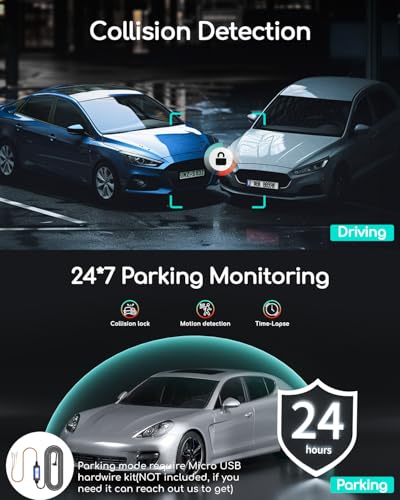
COOAU Dual Dash Cam 2.5K+1080P, Dash Cam Front and Inside, Built-in GPS and WI-FI, Dash Camera for Cars, Perfect for Uber and Taxi Drivers, Night Vision, Accident Record, 24Hr Parking Mode




As an Amazon Associate we earn from qualifying purchases. Product prices and availability are accurate as of the date/time indicated.

360 View 4 Channel Dash Cam Front and Rear Left Right Inside Camera for Cars, GPS and 5G Band WiFi, Night Vision, 160 Wide Angle, WDR, 24H Parking Mode, Supercapacitor, Included 128GB Card


As an Amazon Associate we earn from qualifying purchases. Product prices and availability are accurate as of the date/time indicated.

IIWEY N6 360° Dash Cam 4 Channel, Free 128GB Card, 8 IR Lights Night Vision | STARVIS 2K,5.8G WiFi-6 (up to 20MB/s), App, 24/7 Parking Mode, Front & Rear Inside DashCam for Car, 3.16” IPS, GPS, G-Sensor


As an Amazon Associate we earn from qualifying purchases. Product prices and availability are accurate as of the date/time indicated.
Dash cams for ride-hailing come in three shapes, and the shape matters more than any single spec.
- Two-channel (front and inside): records the road and the cabin. This is the core rideshare layout and the one most titles in this set advertise for Uber and taxi drivers.
- Three-channel (front, rear, inside): adds a rear lens, which helps in rear-end disputes. Storage needs rise.
- Four-channel “360 view”: adds side views. Titles are not consistent about which four views are included, so open the listing and look for the layout.
If you are comparing against a plain front-and-rear camera, our guide to the best dual dash cams for front and rear covers that format, which has no cabin lens.
All eight dash cams on one table
| Model | Layout and key features from the title | Price tier | Best for |
|---|---|---|---|
| Dual Dash Cam Front and Inside, 1080P | 2 channels, infrared night vision, 24H parking, G-sensor | Budget | Lowest-cost cabin camera |
| Eivikga 3 Channel | 4K + 2.5K + 2.5K, WiFi, GPS, STARVIS 2, 64GB card | Budget | Three views at a very low price |
| IIWEY N5 4 Channel | 360 view, 2K front, 1080P rear and inside, 128GB card | Mid-range | Maximum coverage with a big card |
| 360 View 4 Channel | Front, rear, left, right, inside; GPS, 5G WiFi, 128GB card | Mid-range | Wide-angle coverage with supercapacitor |
| COOAU Dual Dash Cam 2.5K + 1080P | Front and inside, GPS, WiFi, parking mode | Mid-range | Two-channel without extras |
| IIWEY N6 360 Dash Cam | 4 channel, 8 IR lights, WiFi 6, 128GB card | Premium | Four views and a fast app connection |
| 3 Channel 4K + 2.5K + 1296P | Front, rear, inside, WiFi 6, GPS, 3.2 inch screen, 64GB card | Premium | Three-channel with a built-in screen |
| COOAU D30S | 4K front plus inside lens, GPS, WiFi, supercapacitor, IR | Premium | Top pick for a front and inside setup |
The dash cams, one at a time
COOAU D30S: the two-channel top pick
The D30S title reads as a rideshare checklist: 4K dash cam with GPS and WiFi, front and inside dual 2.5K and 1080P, infrared night vision, supercapacitor, four IR LEDs, G-sensor, parking mode and loop recording. The resolution wording is jumbled, so check the listing to see which lens records at which quality. The usual layout puts the highest resolution on the road-facing lens and a lower one on the cabin lens.
The supercapacitor is worth noting. Dash cams that use capacitors instead of lithium batteries are generally better suited to hot cars, because heat is hard on batteries. For a driver whose vehicle sits in the sun between rides, that matters. Four IR LEDs light the cabin for night recording, which is when many rideshare incidents happen. The title does not state how well the cabin camera copes with glare from passing headlights, so look for sample footage in buyer reviews.
GPS stamping adds location and speed data to footage, and loop recording overwrites the oldest clips while G-sensor events are locked. The title does not mention a card, so budget for a high-endurance microSD card, and see our guide to dash cam SD card size requirements for how to size it. Hardwiring for parking mode involves the vehicle’s fuse box; follow the instructions or use a qualified installer.
Think about how you will actually retrieve footage after an incident. Download clips over WiFi to a phone while the details are fresh, copy the locked file to a safe location, and note the date, time and trip details in case a platform support team asks for them. Do not edit or trim the original file. Keeping a short written log of each incident alongside the clip is a habit that helps if a dispute drags on for weeks.
Pros
- Front and inside layout built for rideshare use
- Supercapacitor and four IR LEDs per the title
- GPS, WiFi, G-sensor and parking mode listed
Cons
- Premium price tier
- Jumbled resolution wording; lens quality split is unclear
- No memory card mentioned in the title
Who it’s for: full-time rideshare drivers who want front and cabin coverage without extra lenses.
COOAU Dual Dash Cam 2.5K + 1080P: the plain two-channel
This COOAU listing names a dual dash cam, 2.5K plus 1080P, front and inside, with built-in GPS and WiFi, aimed at Uber and taxi drivers, with night vision, accident recording and 24-hour parking mode. It reads as a simpler sibling of the D30S, at the mid-range price tier. The title does not mention a supercapacitor or the number of IR LEDs, so check for those in the specifications if heat tolerance and cabin lighting matter to you.
The front lens at 2.5K is a good balance between detail and file size. A road-facing camera needs enough resolution to read license plates at a reasonable distance, though 2.5K is not a guarantee at any given range or at night. Look for sample footage in buyer reviews. The cabin lens at 1080P is adequate for identifying events inside the vehicle.
Two channels keep file sizes moderate. Using the estimates later in this page, a 2.5K plus 1080P pair at typical bitrates is about 10 gigabytes per hour, so a 128GB card holds about 13 hours of loop recording. It is a sensible, moderate layout for a shift-based driver, and a good choice if the D30S feels like more than you need. For card care, see our guide on formatting a dash cam SD card.
Mounting is the other half of the decision. A cabin lens that is aimed too low shows laps and seat backs instead of faces, and a front lens aimed too high wastes pixels on the sky. Mount the unit behind the rear-view mirror where it is out of your sightline, check the framing on the preview before you tidy the cables, and recheck it after a few days, since adhesive mounts can shift with heat. Wipe the glass first, and let the adhesive set as the instructions say.
Pros
- Mid-range tier for a front and inside pair
- GPS, WiFi and parking mode in the title
- Moderate file sizes keep cards useful longer
Cons
- No supercapacitor or IR LED count mentioned
- No memory card in the title
- Cabin lens is 1080P only
Who it’s for: drivers who want a reliable two-channel setup without paying the premium tier.
Dual Dash Cam Front and Inside, 1080P: the budget cabin camera
This unbranded listing offers a dual dash cam, front and inside, 1080P, with infrared night vision, 24-hour parking monitor with motion detection and G-sensor, “ideal for taxis, Uber, rideshare drivers.” It sits at the lowest price tier and meets the minimum rideshare checklist on paper: a road lens, a cabin lens and infrared. What the title does not provide is a brand, GPS, WiFi, a memory card or supercapacitor details.
At 1080P on both lenses, files are smaller, so storage lasts longer. At around 8 megabits per second per lens, a pair uses about 7 gigabytes per hour (our estimate), so a 128GB card holds roughly 18 hours. The tradeoff is detail: 1080P may struggle to capture license plates at distance or at night. Without GPS in the title, speed and location stamping may be missing, which can matter when you need to back up a timeline.
Budget products with no brand name often have thin support, so read buyer reviews on firmware updates and customer service. Check the return window. Parking mode also needs wiring to be useful beyond a brief window; follow the instructions, or use a professional.
If you pick this camera, treat the first week as a probe. Look at footage from daytime, dusk and night, check whether the clock and date stamp are correct, and confirm that clips lock when the G-sensor triggers. Make sure the card format and file naming let you find clips quickly. A budget camera that records reliably beats a feature-rich one that misses events, so reliability checks in the first days are worth the time, and returns are easiest within the first window.
Pros
- Lowest price tier with a cabin lens and infrared
- Parking monitor with motion detection and G-sensor
- Small files stretch card capacity
Cons
- No brand, GPS or WiFi mentioned in the title
- 1080P limits detail at distance and at night
- No card included per the title
Who it’s for: part-time drivers who want a cabin camera at the lowest cost.
Eivikga 3 Channel: three lenses, very low price
The Eivikga title lists a 3-channel dash cam with 4K plus 2.5K plus 2.5K, WiFi and GPS, marketed for rideshare and taxi, with an IMX675 STARVIS 2 sensor for night vision, a 64GB card, HDR, a built-in G-sensor, 24-hour parking monitor and time lapse. On paper that is a lot of features for a budget-tier price. The 64GB card is included, which is a practical benefit for a first purchase.
Such a strong spec list at a low price calls for a closer look at the details. Sensor names appear in marketing, but the title does not tell you which lens uses the sensor, and 4K plus two 2.5K streams generate heavy data. Using our estimate of 25 megabits per second for 4K and 14 for each 2.5K stream, that is about 53 megabits per second, or roughly 24 gigabytes per hour. The 64GB card would hold under 3 hours of loop recording. For a ten-hour shift, a larger card is a must.
Check whether the camera supports larger cards and which. Review comments on heat, app reliability and firmware are useful here. The three-lens layout is a strong choice if you want rear coverage, but the cabin lens is only 2.5K at best. The title says the unit is “for rideshare and taxi,” which is marketing language, not a certification.
Heat is the practical risk with any multi-lens unit parked in the sun. Three high-resolution streams generate heat in the camera body, and a dark dashboard adds to it. Look for buyer comments on shutdowns in hot weather, use a windshield sunshade when parked and avoid leaving the camera running in an unventilated car if the maker advises against it. Choosing a high-endurance card rated for continuous recording also reduces the odds of corrupted files in hot conditions.
Pros
- Three lenses, GPS, WiFi and a 64GB card at the budget tier
- Named STARVIS 2 sensor for low light
- Parking monitor and time lapse features
Cons
- 64GB card holds under 3 hours at the assumed bitrates
- Unproven brand; verify firmware and support
- High data rates strain cards and heat management
Who it’s for: budget-conscious drivers who want rear coverage and are ready to buy a larger card.
IIWEY N5 4 Channel: 360 view with a 128GB card
The IIWEY N5 listing describes a 4-channel dash cam with 360-degree view, 2K front and 1080P rear and inside, a 128GB card included, 5G WiFi with app control, infrared night vision, G-sensor and 24-hour parking mode. It sits in the mid-range tier, with a bigger included card than the Eivikga. The title does not spell out all four views, so confirm in the listing which cameras you get.
More channels mean more recording. At our assumed bitrates, a 2K front stream of about 14 megabits per second plus three 1080P streams of about 8 each is roughly 38 megabits per second, or around 17 gigabytes per hour. A 128GB card would then hold about 7.5 hours of loop recording. That is workable for a short shift, but if you want an entire day of footage before overwriting, you need a larger card, if the unit supports it.
A 4-channel unit also raises privacy questions. Cameras that look out the sides record pedestrians and other cars, and the cabin lens records passengers. Check local rules, post notice if your area expects it, and think about whether the extra lenses are worth the complexity. The app control over 5G WiFi is convenient for downloading clips without removing the card.
One more consideration is the cable work. Four cameras mean more wires running through the headliner and door seals, and sloppy routing can rattle, snag or interfere with airbags. Plan the routes before you start, tuck cables behind trim rather than over it, and stop if anything looks like it crosses an airbag deployment area. A professional installer can finish a multi-camera job cleanly, and for a car that earns your living a tidy install is a reasonable expense.
Pros
- Four channels and a 128GB card in the box per the title
- 5G WiFi and app control for clip transfer
- Mid-range price tier
Cons
- Roughly 17 GB per hour at assumed bitrates
- Exact four-lens layout is not in the title
- More lenses mean more privacy considerations
Who it’s for: drivers who want side and rear coverage and a bigger card in the box.
360 View 4 Channel: front, rear, left, right and inside
This listing is the clearest about layout: 4-channel dash cam with front, rear, left, right and inside cameras, GPS, 5G WiFi, night vision, 160-degree wide angle, WDR, 24-hour parking mode, supercapacitor and a 128GB card. It lists no brand and no resolution for the lenses, which is the main gap. WDR, or wide dynamic range, helps balance bright and dark areas in a scene, such as headlights against dark streets, and the supercapacitor helps with heat.
The title says the cameras are front, rear, left, right and inside, which sounds like five views for a “4 channel” unit; it may be that left and right share a channel. Check the listing diagram. Without resolution numbers, you cannot judge detail, so look at sample footage in buyer reviews. Unknown resolution also makes storage planning uncertain, though the 128GB card in the box is a reasonable starting point.
For a driver who wants maximum coverage in a mid-range tier, this is an appealing package. The risks are the unknown brand, the unspecified resolution and the added data. Give particular attention to the cabin camera: a wide-angle lens helps cover the back seat, but check the infrared performance in reviews.
Because the brand is unnamed, spend extra time on the seller and the warranty. Look at how long the seller has been listing, whether firmware updates exist, and whether buyers report replacements being honored. A camera that stops recording after a firmware glitch or a card error is worse than none, because you assume you are covered. Set a reminder to play back a random clip every week or two, and keep a spare card in the glovebox.
Pros
- Front, rear, left, right and inside views listed
- Supercapacitor, WDR and 128GB card per the title
- Mid-range price tier
Cons
- No brand or lens resolution stated
- Channel count and view list do not obviously match
- Heavy data use and more privacy considerations
Who it’s for: drivers who want all-around coverage and will verify resolution from sample footage.
IIWEY N6 360 Dash Cam: four channels, eight IR lights
The IIWEY N6 title describes a 360-degree, 4-channel dash cam with a free 128GB card, 8 IR lights for night vision, “STARVIS 2K,” 5.8G WiFi 6 with speeds up to 20 megabytes per second, an app, 24/7 parking mode, front and rear plus inside views, a 3.16 inch IPS screen, GPS and a G-sensor. The eight IR lights are the headline for cabin night vision: more infrared illumination can improve a dark back seat, though the title gives no image-quality data.
The fast WiFi is a practical feature. Four channels create large files, and a 20 megabytes per second transfer rate means a clip downloads quickly to a phone if the figure holds in real use. That is a manufacturer claim that this page cannot confirm. The built-in screen helps with aiming the cameras during installation.
Price is premium-tier for this set, so the question is whether the extra lights and wireless speed justify it over the N5. If your cabin is very dark at night, perhaps. If you mostly need a front and inside setup, the D30S or COOAU models cost similar money with fewer lenses to manage. As with every unit here, the 24/7 parking mode needs a hardwire kit or power pack, and installation should follow the instructions or be done by a qualified person.
Infrared lighting in the cabin deserves a sensible approach. Strong IR LEDs can reflect off the windshield and wash out the image if the lens sits too close to the glass, so check buyer photos for glare. Some drivers add a small shade or angle the unit to reduce reflections. The title does not state the field of view for the cabin lens, so look at sample frames to see whether the back seat is fully in view, especially the outer seats.
Pros
- Eight IR lights and a 3.16 inch screen per the title
- Fast WiFi 6 claim and a free 128GB card
- Four-channel 360-degree coverage
Cons
- Premium tier among the multi-lens options
- Four channels generate heavy data
- Transfer speed and night performance are claims
Who it’s for: drivers who want maximum coverage and strong infrared and will manage the data load.
3 Channel 4K + 2.5K + 1296P: a screen and quick setup
This unbranded 3-channel listing offers front, rear and inside cameras at 4K, 2.5K and 1296P, with a 64GB card, WiFi 6 and GPS, “15-minute easy setup,” four IR LEDs for cabin night vision, a 3.2 inch IPS screen and reliable recording for daily drives and accident evidence. The cabin lens at 1296P is the lowest resolution in the stack but is better than a 1080P cabin camera on paper, which is helpful for capturing faces and details inside the car.
At our assumed bitrates, 4K at 25, 2.5K at 14 and 1296P at about 10 megabits per second is about 49 megabits per second, or roughly 22 gigabytes per hour. A 64GB card gives under 3 hours of loop recording, so a larger card is wise. The 15-minute setup claim is marketing; any hardwired installation takes longer, and the instructions should be followed closely.
It sits at the premium end of the set, which is hard to justify without a brand name and with a modest included card. Compare it with the Eivikga, which lists a similar layout at a lower tier. If you want a built-in screen to review clips on the spot, this is one of the few with one. Read buyer reviews on durability and heat, which are the usual weak points for multi-channel cameras.
The built-in screen is helpful during setup but can be distracting while driving, so use the screen-off or auto-dim setting if available. Look for the ability to turn off the display without stopping the recording. Also check whether the unit logs speed and location in the video overlay, whether you can disable that overlay, and whether the app lets you export clips with GPS data intact. Those small settings shape how useful the camera is in a real dispute.
Pros
- Three channels with a 1296P cabin lens
- 3.2 inch screen and four IR LEDs per the title
- WiFi 6 and GPS listed
Cons
- Premium tier without a recognizable brand
- 64GB card fills fast at these bitrates
- Setup claim is marketing; wiring takes care
Who it’s for: drivers who want rear coverage and a screen and who have compared it against cheaper three-channel options.
How we picked these
This guide was prepared by the Editorial team from published specifications, manufacturer documentation and buyer reviews. Nobody on the team used or measured these units. We read each title, grouped products by lens layout, and compared the features a rideshare driver is likely to care about: a cabin lens, infrared night vision, GPS, parking mode, a card in the box and heat tolerance. We also flagged what each title does not state.
We prioritized front-and-inside models because they match the core use, and we treated three- and four-channel units as options with extra costs in storage and privacy. We did not rank by buyer scores because they shift and are not part of the source data. Price tiers are relative to this set only, and high marketing claims such as “4K” or “STARVIS” were treated as claims to verify.
Worked example: how much card does a ten-hour shift need?
The bitrates below are planning assumptions, not measurements of any camera. Real recordings vary with the encoder, scene and settings. Use the formula: gigabytes per hour equals total megabits per second times 3,600, divided by 8, divided by 1,000.
- Assumed bitrates: 1080P about 8 megabits per second, 1296P about 10, 2.5K about 14, 4K about 25.
- Front 2.5K plus inside 1080P (22 Mbps): about 9.9 GB per hour. A 128GB card holds about 13 hours. A ten-hour shift needs about 99 GB.
- Front 1080P plus inside 1080P (16 Mbps): about 7.2 GB per hour. A 128GB card holds about 17.8 hours.
- 3-channel 4K + 2.5K + 2.5K (53 Mbps): about 23.9 GB per hour. A 64GB card holds about 2.7 hours, and a ten-hour shift needs about 239 GB.
- 4-channel 2K + three 1080P (38 Mbps): about 17.1 GB per hour. A 128GB card holds about 7.5 hours.
What does that mean? Loop recording overwrites old clips, so the card size sets how far back you can look, not how much you can keep. Most drivers do not need ten hours of continuous footage; they need the minutes around an incident, which the G-sensor locks. If you want to keep a full shift, choose a lower-bitrate setup or a larger card, if the camera supports it. Our guide to what to look for in dash cam storage goes deeper on endurance and card types.
Cabin camera rules: privacy, notice and platform policy
An interior camera records people who are not driving the car, which raises obligations that vary by place. This is general information, not legal advice.
- Recording laws differ by state and country. Audio recording is often treated more strictly than video; some places require consent from all parties.
- Rideshare platforms publish policies on in-car cameras, including notification expectations. Read the current policy for the platform you drive for.
- A visible sticker or notice is a common courtesy and may be required in your area.
- Store and share footage responsibly, and keep it secure. Delete clips you do not need.
- If a dispute or legal matter arises, talk to a qualified professional about how to handle the footage.
Because of these expectations, a concealed camera is a poor fit for a rideshare vehicle, and placing the unit where passengers can see it is the safer approach.
Power, mounting and parking mode
- Mount where the camera does not block your view or airbag zones, and follow local rules on windshield placement.
- For parking mode, use the kit the maker recommends, with a low-voltage cutoff, and follow the vehicle’s fuse box guidance. If you are uncomfortable with automotive wiring, have a qualified installer do it.
- Route cables so they do not interfere with airbags, pedals or controls.
- Heat: cars bake in summer. Capacitor-based models are often favored, and shade or a sunshade when parked helps any camera.
- Format the card on a schedule and replace it before it wears out; the card-care steps are in the guide linked earlier on this page.
Verdict
For most rideshare drivers, the COOAU D30S is the top pick: front and inside, supercapacitor, IR and GPS in a two-channel package. The COOAU 2.5K plus 1080P is the simpler mid-range alternative. The 1080P dual camera is the budget entry. Choose the Eivikga if you want three lenses at the lowest price and are prepared to buy a larger card. The IIWEY N5, N6 and the 360 View 4-channel models are for drivers who want side and rear coverage and accept the storage and privacy tradeoffs.
Frequently asked questions
Which type of dash cam suits a rideshare driver best?
Most drivers are well served by a front-and-inside dual camera with infrared night vision for the cabin, GPS stamping and a card large enough for a full shift. Three- and four-channel models add rear and side views, which means more footage and more storage use. The extra lenses help in some disputes but also raise privacy and cost questions. Choose the layout that fits the situations you worry about, and check each listing for the exact lens arrangement.
Is it legal to record passengers with an inside camera?
Rules differ by state and country, and audio recording is often treated more strictly than video. Many places expect you to tell passengers they are being recorded, and rideshare platforms publish their own policies on cameras. This page is general information and not legal advice. Before installing an interior camera, read your local recording laws and your platform’s current policy, consider a visible notice, and ask a qualified professional if you are unsure.
How much memory card space do I need for a shift?
It depends on the number of channels and the video quality. As an estimate with stated assumptions, a front plus inside setup at about 22 megabits per second uses roughly 10 gigabytes per hour, so a 128GB card holds about 13 hours of loop recording. A 3-channel 4K model could use more than twice that. Check the listing for the maximum supported card size and whether a card is included.
Will a dash cam drain my car battery in parking mode?
It can. Parking mode keeps the camera powered when the engine is off, and that draws current from the battery or from a separate power pack. Hardwire kits often include a low-voltage cutoff to protect the battery, but settings vary. Installation involves the fuse box, so follow the camera and vehicle instructions, and consider a qualified installer if you are uncomfortable with vehicle wiring. If you do not need parking mode, a plug-in power cable is simpler.
Do these dash cams include a memory card?
Some do, according to the titles. The Eivikga lists a 64GB card, the 3-channel 4K model lists a 64GB card, and the IIWEY N5, the 360 view 4-channel and the IIWEY N6 list 128GB cards. The COOAU models and the dual 1080P model do not mention a card in their titles, so you may need to buy a high-endurance microSD card separately. Always check what is in the box on the listing.