Key takeaways
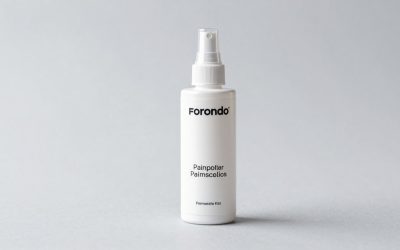
- Sprays: Lightweight and quick-drying, spray conditioners are ideal for routine monthly maintenance on modern coated upholstery and synthetic leatherettes. They leave minimal residue and are quick to wipe down, though they lack the deep hydrating power required for older, neglected leather.
- Creams: Balanced between hydration and ease of use, creams work exceptionally well for semi-annual deep conditioning. They offer better viscosity control around stitching and perforations while providing enough residence time to soften stiffened hides.
- Balms & Waxes: Dense and heavy in consistency, balms are designed for older, dry, or uncoated leather interiors requiring heavy restorative work. They demand significant buffing and are generally too greasy for daily maintenance on modern clear-coated interiors.
- Liquids: Often combining light cleaning agents with conditioners, pourable liquid formulas work well for mid-tier detailing tasks, offering moderate hydration with balanced wipe-off characteristics.
Navigating the automotive detailing aisle can feel overwhelming, especially with dozens of bottles promising to revive, nourish, and protect your vehicle’s interior. Leather upholstery represents a significant investment in your vehicle, yet many drivers buy conditioning products based on flashy brand labels or pleasant scents rather than chemical compatibility. Understanding what your car’s leather actually needs is the first step toward maintaining a soft, supple, and factory-fresh cabin atmosphere.
In 2026, modern automotive leather is vastly different from traditional leather goods like jackets or heavy boots. Most modern car seats feature specialized protective clear coats or are constructed entirely from synthetic, leatherette, or vegan alternatives. Applying the wrong product can result in a slick grease layer, clogged seat perforations, or long-term damage to the factory finish. This decision guide breaks down the core chemistry, material compatibility, and practical features that genuinely matter when selecting the right conditioner for your vehicle.
As an Amazon Associate we earn from qualifying purchases at no extra cost to you.

Understand Your Leather Type: Coated vs. Uncoated
Before purchasing any bottle, you must identify the exact type of leather fitted in your vehicle. Over 90% of modern mass-market automobiles use top-coated pigmented leather. This means the leather hide is sealed under a thin layer of clear polyurethane to protect against liquid spills, UV rays, and physical abrasion. Coated leather does not absorb heavy natural oils or traditional animal fats like neatsfoot oil; instead, it requires water-based, thin emulsions that keep the protective film pliable without building up a sticky layer on top.
Uncoated or semi-aniline leathers are typically reserved for high-end luxury vehicles or custom interiors. These hides lack heavy protective coatings, featuring open pores that absorb rich conditioning creams readily. If you apply a thick grease meant for uncoated hide onto a sealed polyurethane seat, it simply sits on the surface, attracting dirt and creating an unsafe, slick seating surface. Conversely, putting a light sealant on uncoated leather won’t provide the deep hydration the raw fibers need to prevent premature cracking.
Formulation Types: Liquid, Cream, Spray, and Balm
Conditioners come in four primary delivery methods, each serving a specific maintenance cadence and surface type:
- Sprays: Lightweight and quick-drying, spray conditioners are ideal for routine monthly maintenance on modern coated upholstery and synthetic leatherettes. They leave minimal residue and are quick to wipe down, though they lack the deep hydrating power required for older, neglected leather.
- Creams: Balanced between hydration and ease of use, creams work exceptionally well for semi-annual deep conditioning. They offer better viscosity control around stitching and perforations while providing enough residence time to soften stiffened hides.
- Balms & Waxes: Dense and heavy in consistency, balms are designed for older, dry, or uncoated leather interiors requiring heavy restorative work. They demand significant buffing and are generally too greasy for daily maintenance on modern clear-coated interiors.
- Liquids: Often combining light cleaning agents with conditioners, pourable liquid formulas work well for mid-tier detailing tasks, offering moderate hydration with balanced wipe-off characteristics.
Chemical Composition: What to Seek and What to Avoid
The ingredient list determines whether a conditioner preserves or degrades your upholstery over time. Prioritize pH-balanced, water-based formulations that mirror the natural acidic range of processed leather, typically between pH 4.5 and 5.5. Alkaline formulas can break down the binder coat of top-coated seats and cause premature peeling or flaking along high-friction areas like seat bolsters.
Avoid products heavy in petroleum distillates, crude silicone oils, or dense gloss enhancers. While silicone can provide an instant glossy sheen, it builds a static barrier that attracts dust, clogs breathability, and degrades polyurethane sealants over extended sun exposure. Natural emollients like aloe vera, vitamin E, collagen amino acids, and microcrystalline wax emulsions offer safe, non-greasy hydration that maintains an original satin or matte factory sheen rather than an oily finish.
UV Protection and Thermal Defense
Solar radiation and thermal cycling are the primary drivers of interior fading, hardening, and surface cracking. UV rays break down both the color pigments and the underlying hide fibers, while radiant dashboard heat bakes natural moisture out of the leather core. A top-tier leather conditioner must incorporate effective UV absorbers and light stabilizers.
Look specifically for transparent UV inhibitors embedded in the conditioner blend. Unlike simple shiny dressings, true UV blockers chemically neutralize ultraviolet energy before it degrades the polyurethane coating. If your vehicle frequently parks outdoors in sunny climates, prioritizing UV protection over heavy fragrance or high shine will significantly extend the lifespan of your seat bolsters and headrests.
Special Considerations: Perforated Seats and Synthetic Materials
Modern luxury vehicles frequently feature perforated leather seats for heating and ventilation systems. Using thick creams or paste balms on perforated upholstery presents a major hazard: the product fills the tiny ventilation holes, hardens into unsightly white plugs, and can even damage underlying heating elements or air sensors. For perforated interiors, always select low-viscosity liquid or spray formulas applied directly to a microfiber towel rather than poured onto the seat itself.
If your vehicle utilizes synthetic leather, vinyl, or vegan suede, traditional leather conditioners are largely ineffective. Synthetics do not possess natural hide pores and cannot absorb organic oils. Instead, choose dedicated synthetic interior protectants or hybrid conditioners designed to keep vinyl polymers flexible and free from UV degradation without leaving an oily smear.
When to Spend More vs. Budget Alternatives
High-priced leather conditioners often feature specialized chemical engineering, such as non-darkening formulas, advanced UV filters, and true matte finish technology. These premium products are worth the investment if you own a luxury vehicle with semi-aniline leather, light-colored seats sensitive to dye transfer, or a classic restoration project with delicate, aged hide.
For daily commuter vehicles, fleet cars, or modern synthetic leatherette interiors, budget-friendly options with clean spray or light cream formulas are completely sufficient. The key to leather longevity is consistency of care rather than buying the most expensive bottle. A moderately priced, pH-neutral spray applied quarterly will yield far better long-term interior conditions than a top-tier luxury balm applied once every three years.
Related Guides
To see how specific top-performing products compare in real-world testing, read our complete hands-on review of the best car leather conditioners on the market today.
FAQ
How often should I apply leather conditioner to my car seats?
For standard daily drivers, applying a dedicated leather conditioner every 3 to 4 months maintains proper elasticity and moisture balance. Vehicles exposed to intense direct sunlight or extreme temperature swings may benefit from bi-monthly applications to prevent UV drying. Over-applying conditioner more than once a month can lead to product buildup and attract unwanted dirt particles.
Can I use household lotions or petroleum jelly on my car leather?
No, household body lotions, vegetable oils, and petroleum products should never be used on automotive upholstery. These products contain organic fats and heavy petroleum compounds that decompose, turn rancid, and degrade the clear protective polyurethane coating on your seats. Stick exclusively to automotive-grade, pH-balanced formulas designed for vehicles.
Will a leather conditioner fix existing cracks in my seat bolsters?
Conditioners cannot physically repair leather fibers or topcoats that have already cracked or torn apart. However, regular application will soften the surrounding area, preventing further propagation of cracks and improving overall flexibility. Actual physical cracks require specialized vinyl and leather filler compounds followed by color re-dyeing.
Should I clean my car seats before applying a leather conditioner?
Yes, thorough cleaning is an essential prerequisite prior to conditioning any leather surface. Applying conditioner over dirty leather traps grime, oils, and abrasive grit against the finish, which accelerates surface wear. Always use a mild, dedicated automotive leather cleaner and allow the seat to dry completely before applying conditioner.