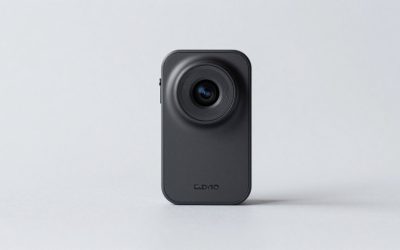
Modern vehicle paint systems are thinner than ever. Factory clear coats on contemporary vehicles typically measure between 35 and 50 microns thick, leaving very little margin for error during aggressive paint correction. A reliable paint thickness gauge (PTG)—also known as a paint depth gauge—is an essential diagnostic tool that allows detailers to measure total film thickness before putting a pad to paint. Without accurate depth measurements, heavy compounding risks striking through the clear coat into the base layer, causing permanent damage that requires an expensive body shop repaint.
As vehicle manufacturing techniques evolve in 2026, choosing the right paint thickness gauge requires understanding which specifications truly matter in a detailing workflow. Gauges range from simple sub-$50 consumer units to multi-thousand-dollar professional ultrasonic devices. This buying guide breaks down essential features like substrate detection, probe styles, accuracy tolerances, and data logging, helping you select a gauge that protects both your customers’ vehicles and your shop bottom line.
As an Amazon Associate we earn from qualifying purchases at no extra cost to you.

Ferrous vs. Non-Ferrous Substrates: Why Dual-Read Capability is Non-Negotiable
Modern automobiles rarely use a single metal for their body panels. Manufacturers routinely pair steel unibodies with aluminum hoods, fenders, and trunk lids to save weight. Because of this, buying a gauge that only reads steel (ferrous metals) will leave you blind on large portions of modern vehicles. Look for a paint thickness gauge equipped with dual-technology sensors using both magnetic induction for magnetic/ferrous substrates (Fe) and eddy current principles for non-magnetic/non-ferrous substrates (NFe) like aluminum.
Ensure the device offers automatic substrate recognition (often marked as “F/NF” or “Fe/NFe”). Automatic detection seamlessly switches measuring modes as you move from panel to panel without requiring manual adjustments. A gauge that fails to detect aluminum or requires manual toggling slows down your workflow and introduces operator error during multi-panel vehicle inspections.
Understanding Accuracy, Resolution, and Tolerance Specs
When evaluating paint depth gauges, pay close attention to resolution and measurement tolerance rather than flashy aesthetic features. Resolution refers to the smallest increment the device can display. For detailing applications, select a unit with a resolution of at least 0.1 mil or 1 micron (1 µm). Gauges that only display in steps of 5 microns lack the sensitivity needed to track subtle paint removal during multi-stage polishing.
Measurement accuracy is usually expressed as a percentage plus a fixed offset, such as ±(2% + 1 µm). This tolerance reflects the maximum expected variance under normal conditions. Higher accuracy ratings prevent misinterpreting minor surface texture as paint loss, giving you confidence when measuring thin clear coats.
Probe Design: Integrated Sensors vs. External Cable Probes
Paint thickness gauges come in two primary physical configurations: integrated (built-in) probes and remote (external wire) probes. Integrated gauges combine the sensor display and housing into a single hand-held unit. They offer convenient, single-handed operation, making them ideal for rapid panel scans over large, flat areas like hoods and roofs.
External cable probes connect the sensor tip to the main display body via a flexible cord. While slightly less convenient for quick scans, external probes excel at reaching tight spaces, deep body contours, curved door pillars, lower rocker panels, and bumper edges. If you regularly work on sports cars with aggressive aerodynamic curves or perform detailed paint inspections in cramped body lines, an external cable probe or a unit with a swivel-head sensor provides far superior contact stability.
Single-Layer vs. Multi-Layer Gauge Technologies
The vast majority of paint thickness gauges used in detailing are single-layer total depth gauges. These devices measure the combined distance from the metallic panel up to the top surface, giving you a total thickness reading that encompasses primer, base coat, and clear coat together. Because they rely on metal substrates, standard gauges cannot isolate clear coat thickness from base paint, nor can they measure paint on plastic or carbon fiber panels.
Multi-layer ultrasonic gauges transmit sound waves through the coating to identify individual layer boundaries, showing separate thickness values for clear coat, base coat, and primer. These advanced tools can also measure coatings on non-metallic surfaces like fiberglass and plastic. However, ultrasonic gauges represent a major jump in price. Unless you frequently detail rare classic cars, carbon-bodied exotic vehicles, or offer heavy wet-sanding services, a quality dual-ferrous total depth gauge provides all the protection standard detailing requires.
Calibration Systems and Verification Standards
Even the most advanced paint depth gauge will give inaccurate readings if it is not calibrated properly. Quality gauges include a calibration kit consisting of bare steel and aluminum reference plates along with precision plastic shims of known thickness (such as 50, 100, and 250 microns). Before starting any detailing project, you should perform a quick zero-point test on the bare metal plates and verify the readings against the calibration foils.
Avoid gauges that lack manual zero-point calibration or shim adjustments. Environmental factors like ambient temperature, humidity, and surface curvature can shift sensor baseline accuracy over time. A gauge that allows user calibration ensures that a 100-micron reading today matches a 100-micron reading six months from now, giving you repeatable measurements you can trust.
Display, Speed, and Smart Features
Operational features directly influence how quickly and comfortably you can complete a pre-detail paint audit. Look for a clear, backlit LCD or OLED display that remains easy to read in direct sunlight or under bright shop inspection lights. Auto-rotating screens or flip displays are extremely useful when measuring vertical panels, lower side skirts, or roof lines.
Measurement speed matters when taking dozens of readings across a vehicle. Fast sampling rates allow you to glide the probe across a panel for continuous scanning without pausing at every spot. Higher-end gauges also feature Bluetooth connectivity and internal data logging, allowing you to save measurement maps, generate digital reports for clients, and document pre-existing paint defects before beginning work.
When to Spend More: Price Tiers Breakdown
Budget gauges ($30 to $100) offer basic single-point depth measurements that work reasonably well for hobbyists checking used car purchases. However, they often suffer from poor probe durability, slower response times, and inconsistent readings on curved surfaces.
Mid-range professional gauges ($200 to $600) represent the sweet spot for professional detailers and serious enthusiasts. In this range, you get robust dual Fe/NFe auto-sensing, high resolution (1 µm), solid repeatability, rub-resistant ruby probe tips, and comprehensive calibration accessories. High-end diagnostic gauges ($1,500+) add multi-layer ultrasonic measurement, advanced software reporting, and rugged industrial housings. Investing in a mid-range gauge pays for itself by preventing a single clear coat strike-through, protecting both your business reputation and shop revenue.
Related Guides
Equipping your garage or shop with the right diagnostic tools is only one part of building a complete detailing setup. To see which models performed best in our detailed research across various budget points, check out our guide to the best paint thickness gauges for car detailing. If you are also building out your wash bay or interior workflow, explore our recommendations for the best electric pressure washers for auto detailing and our top picks for best professional steam cleaners for car interior detailing.
FAQ
How thin is safe for paint correction?
Factory clear coat thickness typically ranges from 35 to 50 microns, and removing more than 25% of that layer can lead to premature clear coat failure from UV exposure. As a general rule, heavy compound polishing that removes more than 3 to 5 microns should be performed with extreme caution. Always take baseline readings in unpolished areas like door jambs to estimate total factory paint buildup.
Can a standard paint depth gauge read paint on plastic bumpers?
Standard paint depth gauges use magnetic and eddy current technology, which requires a metallic substrate to calculate thickness. Because plastic bumpers and carbon fiber panels are non-conductive and non-magnetic, standard gauges will display an error or fail to register a reading. Measuring paint thickness on plastic surfaces requires a specialized ultrasonic gauge that measures sound reflection through material layers.
How often should I calibrate my paint thickness gauge?
You should check your gauge’s calibration using the included reference plates and precision shims before starting every paint correction job. Re-verifying calibration is also recommended when moving between drastically different ambient temperatures or switching work areas. Quick regular verification guarantees that your measurements remain consistent and reliable throughout the correction process.
What is the difference between microns and mils?
Microns (µm) and mils (thousandths of an inch) are two different units used to measure paint thickness, where 1 mil equals approximately 25.4 microns. Most detailers prefer measuring in microns because the metric unit provides finer resolution for tracking minor paint removal during polishing stages. Most modern gauges allow you to toggle easily between mils and microns depending on your personal preference.