Key takeaways
- Which best gaming mouse company fits your hand? Compare Logitech, Razer, SteelSeries, Corsair and Zowie on sensors, shapes, weight and software before you buy.
Picking the best gaming mouse company matters more than picking a single mouse, because each brand has a distinct philosophy about sensors, shapes, weight and software. Logitech chases balance and broad appeal, Razer pushes speed and low weight, SteelSeries leans into esports-tuned shapes, and smaller names like Zowie and Glorious serve players who want simple, proven designs. A brand that fits your hand and your games will serve you better than a famous logo that fights your grip. This guide compares the leading names side by side so you can choose a company whose whole lineup, not just one model, matches how you play.
This guide is written for competitive players, casual gamers and desk workers who share one mouse between games and daily tasks. It explains what each major brand does best, where each one falls short, and which lineup fits your grip and your genre. As an Amazon Associate we earn from qualifying purchases
How to Choose
Sensor and Tracking
Every major brand now ships sensors that track cleanly at high speeds, so the differences sit in tuning rather than raw numbers. Look for a sensor that holds tracking during fast flicks without smoothing or angle snapping, and check whether the brand lets you adjust lift-off distance and polling rate in its software. Logitech and Razer publish the most detailed sensor data, while Zowie keeps settings minimal and hardware-based. A sensor matters less than shape for most players, so treat it as a tiebreaker between two mice that both feel right rather than the first thing you compare.
Shape and Grip Fit
Shape decides comfort more than any specification, and each company has a signature silhouette. Logitech builds broad, filled-out shells that suit palm grips, Razer offers low, narrow bodies that favor claw and fingertip styles, and SteelSeries keeps a neutral, symmetrical outline that works for many hands. Zowie sticks to a few proven shapes with no holes and no extra buttons, which suits players who want the same feel every time. Hold the mouse the way you play, check where your fingers land, and favor a shape that lets your wrist stay relaxed during long sessions.
Weight and Balance
Weight shapes how a mouse feels during fast aim corrections and long matches. Razer and Glorious lead the race toward lighter shells, with flagship models that sit well under the weight of older wired designs, while Logitech balances weight against battery life and a fuller feature set. SteelSeries keeps its mice in a middle band that feels planted without dragging. Balance matters as much as total weight, so a mouse that centers its mass under your palm feels lighter than the same weight shifted toward the front. Try to handle a mouse before buying when you can.
Switches, Software and Support
Switches decide how clicks feel and how long they last, and software decides how much control you get over the mouse. Razer and Logitech use optical switches in their latest flagships for a crisp, consistent click, while SteelSeries and Zowie lean on mechanical switches with a softer landing. Software is the bigger split: Logitech and Razer offer deep customization with profiles, macros and lighting, while Zowie ships almost no software at all. Check warranty length and spare parts too, since feet and cables wear out long before a sensor fails.
The Main Brands
Logitech
Logitech is the safest first choice for most players because its lineup covers every grip and every budget tier without a weak spot. The G Pro line serves competitive players with light, symmetrical shells, the G502 family serves palm-grip players who want extra buttons, and the wireless models pair long battery life with a reliable connection. Its software is the most polished of the group, with per-game profiles and deep remapping. The trade-off is that Logitech rarely leads on weight, so players chasing the lightest possible mouse usually look elsewhere. Its wireless models also pair easily with laptops, so one mouse can serve a desktop and a travel setup without a second purchase.
Razer
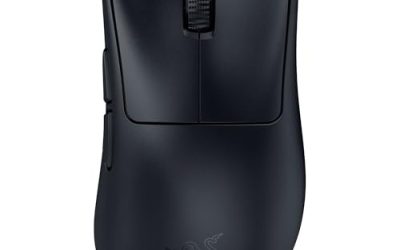
Razer builds for players who want the fastest, lightest hardware and are willing to pay for it. Its DeathAdder and Viper lines cover palm and claw grips with low, narrow shells, and its optical switches and high polling rates target competitive play. Razer software is powerful and lets you tune nearly everything, though it asks you to create an account and stay connected. Battery life on its wireless flagships is strong, and its lineup refreshes often, so last season’s model is usually easy to find once a new one arrives. Its mice also share one software panel with Razer keyboards and headsets, which keeps lighting and profiles in one place.
SteelSeries
SteelSeries sits between the two giants with a smaller, focused lineup built around esports. Its Prime and Aerox lines offer neutral shapes that fit many hand sizes, and its software is lighter and quicker to learn than the deeper suites from Logitech and Razer. SteelSeries mice tend to feel balanced and durable rather than extreme in any one direction, which suits players who want one mouse for every genre. The range is narrower, so shoppers who need a very specific shape or a very light shell may find fewer options. Its Aerox line adds hollowed shells that cut weight without changing the familiar shape, which suits players who want lighter hardware without relearning their grip.
Corsair, Zowie and HyperX
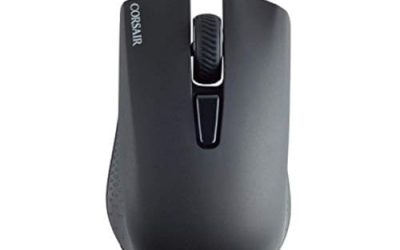
Corsair, Zowie and HyperX each serve a narrower audience with a clear identity. Corsair pairs its mice with its wider desktop ecosystem, so it suits players who already own Corsair keyboards and headsets and want one control panel. Zowie keeps things simple with driver-free designs, a handful of proven shapes and no extra software, which appeals to tournament players. HyperX offers straightforward, comfortable mice at friendly price points with solid build quality. None of the three matches the breadth of Logitech or Razer, yet each one is a strong pick inside its niche. Each brand also keeps its lineup small, so choosing between two or three models is usually enough to find the right fit.
Which One Fits Your Situation
Competitive FPS players
Competitive first-person shooter players should start with Razer or Logitech, since both brands tune their flagships for fast tracking, low click latency and light shells. Look for a shape that matches your grip first, then check sensor settings and polling rate. A mouse that feels invisible during flick shots matters more than extra buttons, so favor a simple, light design over a feature-heavy one.
MMO and strategy players
Players who spend hours in MMO and strategy games need buttons and comfort more than raw speed. Logitech and Corsair lead here with mice that carry extra side buttons without crowding the main grip, and their software makes it easy to map abilities and macros. A heavier, filled-out shell suits long sessions better than a featherweight esports mouse, so pick a model that supports your hand through the whole match.
Small hands and fingertip grips
Small-handed players and fingertip grippers should look at Razer and Zowie first, since both brands keep low, narrow shapes that let your fingers control the mouse without dragging your palm. Shorter bodies and a raised rear hump help a fingertip grip stay precise, while a wide palm-filling shell fights it. Check the listed length and width before ordering, and favor a light model so quick lifts feel easy.
First serious mouse
Buyers picking their first serious gaming mouse should start with Logitech or HyperX, where the lineup is broad, the software is forgiving and the entry models are proven. Choose a mid-weight, neutral shape rather than an extreme esports shell, since it adapts to more grips while you learn what you like. Spend time with the software once, save a profile, and give the mouse a full week of play before deciding whether the shape suits you.
Common Mistakes
- Choosing a brand for its logo instead of a shape that fits your hand and grip.
- Paying for the highest polling rate when your games never demand it.
- Ignoring software, then finding the mouse needs an account you never wanted.
- Buying the lightest mouse available when a balanced mid-weight shell suits you better.
- Skipping the warranty and spare feet, which wear out before the sensor does.
Frequently Asked Questions
Which gaming mouse company is best for beginners?
Logitech is the easiest starting point for most beginners because its lineup covers every grip, its software is straightforward, and its entry models are proven. Razer is a close second for players who want lighter shells, while Zowie suits players who prefer no software at all. Start with a neutral shape and learn your grip before chasing a specialist design.
Do Razer and Logitech mice work on any PC?
Yes, mice from Razer, Logitech and the other brands in this guide work with standard Windows PCs through a USB port or a wireless receiver. Mac support varies by model, and some software features are limited outside Windows, so check the listed system requirements if you play on a Mac. The mouse itself still points and clicks without extra software.
Is a lighter mouse always better for gaming?
No, a lighter mouse suits fast flick shots and fingertip grips, yet many players aim more steadily with a mid-weight shell that feels planted. Palm-grip players often prefer a fuller body that supports the hand through long sessions. Choose the weight that keeps your wrist relaxed and your aim steady, not the lowest number on the box.
Should I buy from one brand for my whole setup?
Matching your mouse, keyboard and headset to one brand keeps everything in a single software panel, which suits players who like one place for lighting and profiles. Corsair and Razer reward this approach most. It is not required, though, since a mouse works fine beside a keyboard from another brand, so pick the best mouse for your hand first.
FAQ
Which gaming mouse company is best for beginners?
Do Razer and Logitech mice work on any PC?
Is a lighter mouse always better for gaming?
Should I buy from one brand for my whole setup?
More from Amazon
Programs that pair well with the guide above. Offers and eligibility are set by Amazon and may change.
Free shipping on eligible items, Prime Video and more. Eligible new members can start with a free trial.
Start a Prime free trialA Prime membership for ages 18-24 with a trial period. Eligibility is set by Amazon.
See Prime for Young AdultsAudiobooks and podcasts to listen to on the go. Eligible new members can start with a free trial.
Try Audible freeAd-free music streaming. Eligible new subscribers can start with a free trial.
Try Music Unlimited freeAs an Amazon Associate we earn from qualifying purchases.