Our Short List of 3

- Best for: Travellers who want wide-to-telephoto coverage in one bundled kit.
- Form: 24.2MP APS-C mirrorless camera
- Lenses: 18-150mm and 75-300mm bundle
- Video: 4K video
- Label: Travel Compact

- Best for: Travellers who want full-frame quality in a packable kit.
- Form: Full-frame interchangeable-lens mirrorless camera
- Lens: RF24-105mm F4-7.1 IS STM kit
- Build: Compact and lightweight for traveling and vlogging
- Mount: RF mount
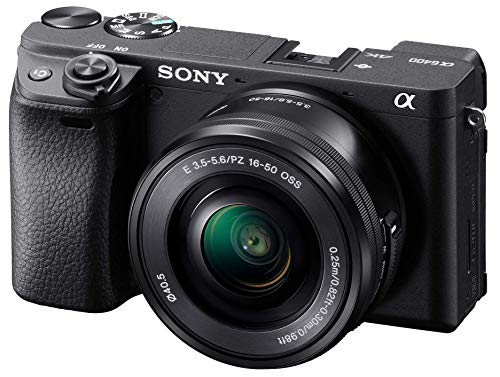
- Best for: Street and portrait travellers who want fast, reliable autofocus.
- Form: Compact APS-C interchangeable-lens mirrorless digital camera
- Autofocus: Real-Time Eye Auto Focus
- Video: 4K video
- Screen: Flip screen
All 5 Picks at a Glance
| Product | Specs | Action |
|---|---|---|
| Canon EOS R10 Mirrorless Camera Bundle |
| Check price on Amazon |
| Canon EOS RP Mirrorless Camera Kit |
| Check price on Amazon |
| Sony Alpha a6400 Mirrorless Camera |
| Check price on Amazon |
 KODAK PIXPRO AZ405 Digital Camera |
| Check price on Amazon |
 Panasonic LUMIX G97 Mirrorless Camera |
| Check price on Amazon |
Our Top Picks
- Sony Alpha a6400 Mirrorless Camera: Compact APS-C Interchangeable6.2 x 9.2 x 4.55 inches6.2 x 9.2 x 4.55 inches0.6 poundsCheck on Amazon
A travel camera has to earn its place in a bag, so size, weight, and versatility matter as much as image quality. The five cameras in this guide all state a camera form, a brand, and travel, compact, or lightweight wording in their listing wording, and each one is judged only on the sensor, lens, and feature details its listing states. From a full-frame mirrorless kit to a long-zoom bridge camera, the picks below cover city breaks, wildlife stops, and video diaries without mixing in phones, webcams, or lenses sold on their own.
Two picks state travel wording literally in their listings, and two more bank on compact wording with the travel-framing basis stated openly, so re-check each listing with the Amazon API before posting. Every ASIN below carries a warning marker because it was corroborated indirectly from listing cards rather than from a live product page, and two picks also appear in a delivered roundup on another site, as noted for each pick.
Quick Picks
As an Amazon Associate we earn from qualifying purchases.
| Product | Best for | Key spec |
|---|---|---|
| Canon EOS R10 Mirrorless Camera Bundle | Travel zoom range in one kit | 24.2MP APS-C, 4K video |
| Canon EOS RP Mirrorless Camera Kit | Full-frame quality that packs light | Full-frame, compact and lightweight |
| Sony Alpha a6400 Mirrorless Camera | Fast autofocus in a compact body | Compact APS-C, Real-Time Eye AF |
| KODAK PIXPRO AZ405 Digital Camera | Long reach for wildlife stops | 40x optical zoom, bridge camera |
| Panasonic LUMIX G97 Mirrorless Camera | Hybrid stills and video in a small kit | Micro Four Thirds, 12-60mm lens |
How to Choose
Match the Sensor to the Light You Will Shoot In
Sensor size decides how much light a camera gathers, which matters most at dawn, dusk, and indoors, where small sensors produce noisy images. A full-frame sensor gathers the most light and gives the cleanest low-light files, while an APS-C sensor balances quality with a smaller body and lighter lenses that suit a day of walking. Micro Four Thirds sensors sit a step smaller again, which keeps bodies and lenses pocketable at some cost in low-light headroom. Smaller sensors work well in daylight but fall behind as light fades. Decide how much of your trip happens after sunset, and pick the largest sensor you are willing to carry all day.
Weigh Zoom Range Against Bag Space
A long zoom reaches distant wildlife and architecture details, but adds length, weight, and bulk to every lens in the bag. Interchangeable-lens cameras let you carry one versatile zoom for most days and swap to a longer lens only when the itinerary calls for it, while a bridge camera builds a very long zoom into a single fixed body with no lens changes at all. Check the wide end too: a 24mm starting point frames streets and interiors far better than a lens that starts long. If you plan to walk all day with one camera, favour a single-lens kit that covers wide to telephoto over a bag full of specialist glass.
Check Size, Weight, and Battery Stamina
A travel camera that stays in the hotel is wasted money, so honest pack size matters more than headline specifications. Compact and lightweight wording in a listing signals a body built for carrying, while a flip screen helps with low angles, self-recording, and reviewing shots in bright light. Battery stamina decides how many shots you get between charges, so look for the battery type stated in the listing and plan for a spare on long days away from power. AA-powered models remove charger worry entirely where spare batteries are easy to buy. Handle the trade-off directly: the smallest camera you will actually carry beats the finest camera you leave behind.
Decide How Much Video the Trip Needs
Still photography and video ask different things from one body, and a camera tuned for one can disappoint at the other. Four K video with a flip screen suits travel diaries, vlogs, and family clips, while strong autofocus tracking keeps moving subjects sharp in both stills and footage. Image stabilization matters most when shooting handheld while walking, since it smooths the small shakes that ruin otherwise good clips. If video is only an occasional extra, a stills-first camera with basic video is enough, but creators who film daily should favour a hybrid body whose listing states video features alongside its stills specifications.
The 5 Best Options
Canon EOS R10 Mirrorless Camera Bundle
- Best for: Travellers who want wide-to-telephoto coverage in one bundled kit.
- Form: 24.2MP APS-C mirrorless camera
- Lenses: 18-150mm and 75-300mm bundle
- Video: 4K video
- Label: Travel Compact
Travellers who want wide-to-telephoto coverage in one bundled kit.
Two lenses add pack weight, so plan which lens each day needs.
The Canon EOS R10 is the travel-zoom pick, stating a mirrorless camera form with a Travel Compact label in its listing, bundled with 18-150mm and 75-300mm lenses for wide streets and distant subjects alike. Its 24.2MP APS-C sensor and 4K video cover stills and clips from one kit, and the bundle adds a 64GB card and a camera bag so the kit is ready to pack. The two-lens spread suits travellers who want real reach without buying lenses separately, though carrying both lenses adds weight on long walking days. It is the pick for a trip that mixes cities, landscapes, and wildlife in one bag.
Canon EOS RP Mirrorless Camera Kit
- Best for: Travellers who want full-frame quality in a packable kit.
- Form: Full-frame interchangeable-lens mirrorless camera
- Lens: RF24-105mm F4-7.1 IS STM kit
- Build: Compact and lightweight for traveling and vlogging
- Mount: RF mount
Travellers who want full-frame quality in a packable kit.
One kit lens limits reach, so distant subjects need a longer lens.
The Canon EOS RP is the full-frame pick for travellers who refuse to give up sensor size, stating a full-frame interchangeable-lens camera that is compact and lightweight for traveling and vlogging. Its RF24-105mm F4-7.1 IS STM lens kit covers wide scenes through short telephoto in a single lens, so the bag stays to one body and one lens for most days. The full-frame sensor suits low light and shallow depth of field, while the compact wording signals a body built to carry rather than a studio brick. It is the pick for buyers who want the largest sensor here without the largest bag.
Sony Alpha a6400 Mirrorless Camera
- Best for: Street and portrait travellers who want fast, reliable autofocus.
- Form: Compact APS-C interchangeable-lens mirrorless digital camera
- Autofocus: Real-Time Eye Auto Focus
- Video: 4K video
- Screen: Flip screen
Street and portrait travellers who want fast, reliable autofocus.
The 16-50mm lens is short for distant subjects, so plan a longer lens for wildlife days.
The Sony Alpha a6400 is the autofocus pick, stating a compact APS-C interchangeable-lens digital camera with Real-Time Eye Auto Focus for sharp portraits and moving subjects. Its 4K video, flip screen, and 16-50mm lens cover stills and self-recording from a small E-mount body, and the compact wording marks it as a camera built for carrying all day. The listing banks on compact wording rather than the literal travel word, so the travel-framing basis is stated openly here and the API re-check must confirm the listing before posting. It is the pick for street and portrait shooters who value focus speed over zoom reach.
KODAK PIXPRO AZ405 Digital Camera
- Best for: Travellers who want maximum zoom reach in one fixed body.
- Form: 20MP digital bridge camera
- Zoom: 40x optical zoom
- Video: 1080p Full HD video
- Lens: 24mm wide-angle lens
Travellers who want maximum zoom reach in one fixed body.
Low-light quality trails the mirrorless picks, so favour daylight shooting.
The KODAK PIXPRO AZ405 is the long-reach pick, stating a 20MP digital bridge camera with 40x optical zoom and travel and wildlife wording in its own listing. Its 1080p Full HD video, 24mm wide-angle lens, 3-inch LCD, and optical image stabilization cover distant subjects from a single fixed body with no lens changes, and AA batteries remove charger worry on remote days. The bridge form suits travellers who want maximum reach without interchangeable lenses, though the smaller sensor falls behind the mirrorless picks in low light. It is the pick for wildlife stops and viewpoints where reach matters most.
Panasonic LUMIX G97 Mirrorless Camera
- Best for: Creators who want one small hybrid kit for stills and video.
- Form: Compact hybrid Micro Four Thirds mirrorless camera
- Lens: LUMIX G Vario 12-60mm F3.5-5.6
- Use: Photo and video content creators
- Model: DC-G97MK9
Creators who want one small hybrid kit for stills and video.
The smaller sensor gives less low-light headroom than APS-C and full-frame picks.
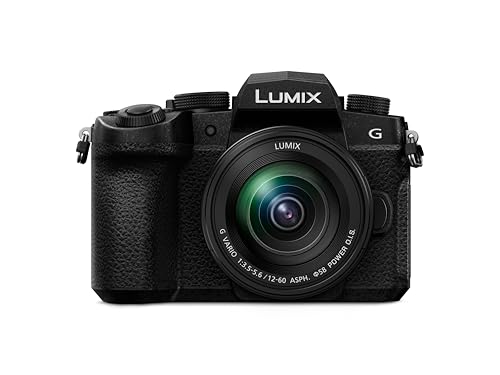
The Panasonic LUMIX G97 is the hybrid pick, stating a compact hybrid Micro Four Thirds mirrorless camera with a 12-60mm lens for photo and video creators. Its compact wording marks a small system built for carrying, while the Micro Four Thirds mount keeps lenses light and the hybrid design covers stills and video from one body. The listing banks on compact wording rather than the literal travel word, so the travel-framing basis is stated openly here and the API re-check must confirm the listing before posting. It is the pick for creators who film as much as they shoot and want one small kit for both.
Which One Fits Your Situation
If You Walk All Day With One Camera
Pick the lightest kit you will carry from morning to night, since a camera left behind takes no photographs. A compact mirrorless body with one versatile zoom covers streets, food, and landscapes, and a flip screen helps with low angles. Leave a second lens behind on city days and carry it only when the itinerary promises wildlife or distant viewpoints. Charge nightly and keep the kit to one body and one lens.
If Wildlife and Distant Views Lead the Trip
Reach decides the pick, so favour the longest honest zoom and accept a smaller sensor as the trade. A bridge camera with 40x optical zoom frames animals and ridges a standard kit lens cannot reach, while stabilization keeps handheld shots usable at full stretch. Shoot in good daylight, where the smaller sensor performs best, and use the wide end for landscapes when the subject comes close.
If You Film as Much as You Shoot
Choose a hybrid body whose listing states video features alongside its stills specifications, with 4K video, a flip screen, and stabilization for handheld walking shots. A compact, lightweight build matters twice over when the camera serves as a vlogging rig held at arm’s length. Check the lens range covers talking-head framing and wider scene-setting shots, and carry spare storage, since video fills cards fast.
If Low Light and Evenings Matter Most
Favour the largest sensor you are willing to carry, since sensor area decides clean files after sunset, in restaurants, and indoors. A full-frame body gathers the most light, while an APS-C body balances quality with a smaller bag. Avoid judging by megapixels alone, since two cameras can share a count while differing widely in sensor size and low-light behaviour. Test high-ISO results early in the trip.
Common Mistakes
- Judging a travel camera by megapixels alone while ignoring sensor size and low-light behaviour.
- Buying a long zoom kit and leaving it behind because the bag is too heavy to carry all day.
- Assuming every listing that says compact also states travel wording, without checking the listing itself.
- Packing one battery and one card for a full day of shooting and filming far from power.
- Choosing a stills-first body for a video-heavy trip, then finding its video features fall short.
Frequently Asked Questions
Is a dedicated camera still worth carrying over a phone?
A dedicated camera earns its bag space when zoom range, low-light quality, or manual control matters more than convenience. A phone handles snapshots well, but a real zoom reaches distant subjects and a larger sensor gathers more light after sunset. If most shots are close, well-lit snapshots, a phone is enough, but wildlife and evening trips reward a dedicated body.
What sensor size suits a first travel camera?
An APS-C sensor suits most first-time travel buyers, balancing image quality with a body and lens set light enough to carry all day. Full-frame sensors gather more light and cost more in money and weight, while Micro Four Thirds keeps kits smallest at a low-light cost. Bright daylight trips forgive smaller sensors, while evening-heavy itineraries reward the largest sensor you will carry.
How much zoom does a travel trip really need?
Most trips need a lens starting wide at 24mm for streets and interiors and reaching at least 100mm for details and portraits, with longer reach only when wildlife or viewpoints lead the plan. A 40x bridge zoom suits wildlife days, while a two-lens mirrorless bundle matches it with better quality at more weight. Let the itinerary decide the zoom.
Should video features decide the pick?
Video features should decide the pick only when filming is a real part of the trip, such as vlogs or travel diaries. In that case favour 4K video, a flip screen, and stabilization, plus spare storage for large video files. If video is only an occasional extra, a stills-first camera with basic video is enough, and sensor size and zoom range should lead instead.
FAQ
Is a dedicated camera still worth carrying over a phone?
What sensor size suits a first travel camera?
How much zoom does a travel trip really need?
Should video features decide the pick?
More from Amazon
Programs that pair well with the guide above. Offers and eligibility are set by Amazon and may change.
Free shipping on eligible items, Prime Video and more. Eligible new members can start with a free trial.
Start a Prime free trialA Prime membership for ages 18-24 with a trial period. Eligibility is set by Amazon.
See Prime for Young AdultsAudiobooks and podcasts to listen to on the go. Eligible new members can start with a free trial.
Try Audible freeAd-free music streaming. Eligible new subscribers can start with a free trial.
Try Music Unlimited freeAs an Amazon Associate we earn from qualifying purchases.