Key takeaways
- Impact-activated recording: The camera stays in a low-power state and saves video when its G-sensor detects a bump. This uses less power but may not record an approaching vehicle before contact.
- Motion detection: The camera wakes when it sees movement. This can capture someone walking near the vehicle or a car pulling into the space, but it generally consumes more power and can create more clips.
- Buffered parking mode: The camera keeps a short rolling buffer, often a few seconds, so a saved event can include what happened immediately before and after the trigger. This is usually more useful than impact-only recording, but it may require specific hardware and camera support.
- Time-lapse recording: The camera takes frames at set intervals instead of saving normal video. It offers broad coverage with lower storage use, though fast events may be harder to interpret.
What's inside
The Short Answer
Yes, parking mode dash cams are worth it if you regularly leave your vehicle in public, park overnight outdoors, or own a car that would be expensive to repair after a hit-and-run. The one condition is that you must install and configure parking mode correctly—usually with a compatible hardwire kit, a reliable memory card, and low-voltage battery protection. Without those pieces, a parking mode camera may miss the incident, drain the battery, or give you footage that is difficult to use.
For 2026, the feature is no longer limited to premium cameras. Models in roughly the $100-$200 range can record front and rear views, detect impacts, and monitor a parked car. But “parking mode” is not a single feature. The quality of the protection depends on how the camera records, how quickly it wakes up, how long it remains powered, and whether the event is captured before the impact.
As an Amazon Associate we earn from qualifying purchases at no extra cost to you. Product prices and availability are accurate as of the date shown and are subject to change.

What You Actually Get
Parking mode lets a dash cam continue monitoring while the engine is off. Depending on the model and wiring method, it may use one or more recording styles:
- Impact-activated recording: The camera stays in a low-power state and saves video when its G-sensor detects a bump. This uses less power but may not record an approaching vehicle before contact.
- Motion detection: The camera wakes when it sees movement. This can capture someone walking near the vehicle or a car pulling into the space, but it generally consumes more power and can create more clips.
- Buffered parking mode: The camera keeps a short rolling buffer, often a few seconds, so a saved event can include what happened immediately before and after the trigger. This is usually more useful than impact-only recording, but it may require specific hardware and camera support.
- Time-lapse recording: The camera takes frames at set intervals instead of saving normal video. It offers broad coverage with lower storage use, though fast events may be harder to interpret.
Most cameras need continuous power for parking mode. A cigarette-lighter socket often shuts off with the ignition, so it may not work after you lock the car. A hardwire kit connects the camera to a constant-power fuse and an accessory fuse, allowing it to know when the engine is off. A proper kit should include low-voltage cutoff protection. That feature stops recording when the car battery falls to a preset level, commonly somewhere around 11.6 to 12.4 volts depending on the kit and vehicle.
Power use varies by camera, resolution, screen settings, GPS, and whether it is actively recording. A typical single-camera setup may use roughly 2 to 5 watts while recording, while multi-camera systems can use more. That is why parking mode is safer when the vehicle is driven regularly. If a car sits unused for several days, even a protected system may stop recording once the battery reaches its cutoff point.
Storage matters, too. A 128GB card can be a useful starting point, but the actual recording time depends on resolution, frame rate, compression, and the number of cameras. A four-channel camera can fill a card much faster than a front-only model. Use a high-endurance microSD card rated for continuous video, and format it in the camera periodically if the manufacturer recommends it.
Pros
- Evidence after hit-and-runs: A saved clip can show the other vehicle, license plate, direction of travel, and time of impact.
- Protection while parked at home or work: Parking lots, apartment garages, curbside spaces, and crowded driveways are common locations for unexplained damage.
- More than impact coverage: Motion or buffered recording may capture suspicious activity before a collision occurs.
- Useful front and rear coverage: A two-camera system can document damage from either end of the vehicle. Four-channel systems can add interior or side coverage, which is helpful for rideshare drivers and larger vehicles.
- Relatively affordable: A basic parking-capable camera may cost about $80-$150, while a front-and-rear setup commonly falls around $130-$250 before installation.
- Low effort after installation: Once the hardwire kit is installed and the cutoff voltage is configured, the system can operate automatically whenever you park.
Cons
- Installation is part of the cost: A professional hardwire installation often adds about $50-$150, depending on the vehicle and the number of cameras. DIY installation costs less but requires working around fuse panels and airbags.
- Battery drain is still possible: Low-voltage protection reduces the risk but cannot make an aging or weak battery healthy. Cold weather and infrequent driving can shorten recording time.
- Not every event triggers recording: A gentle scrape, a distant motion event, a covered lens, or an impact outside the sensor’s sensitivity range may not create a usable clip.
- Heat can shorten component life: A camera mounted behind a windshield may experience extreme temperatures. Use a model designed for automotive conditions and avoid leaving it in direct sun when possible.
- Memory cards wear out: Continuous recording is demanding. A standard consumer card can fail sooner than a high-endurance card, potentially leaving you without recent footage.
- Extra cameras add complexity: Rear, interior, and side cameras mean more cables, more power consumption, and more installation time.
- Privacy and local rules vary: Interior recording and audio may raise privacy concerns, especially when passengers are present. Check applicable state and local requirements.
Who Should Buy It
Buy a parking mode dash cam if you park on streets, use busy public lots, or have dealt with vandalism or unexplained dents before. It is also a sensible purchase for rideshare drivers, delivery workers, apartment residents without assigned parking, and owners of newer vehicles with expensive bumpers, cameras, sensors, or paintwork.
A front-and-rear camera is the practical choice for most drivers. For broader coverage, the IIWEY N6 360° Dash Cam 4 Channel is listed at $139.99 and includes a 128GB card and eight IR lights for night vision. Its four-channel design may appeal to drivers who want interior or side coverage in addition to front and rear recording. More channels can improve visibility, but they also make wiring and storage demands more substantial.
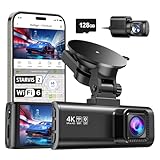
The REDTIGER F7NP 4K Dash Cam Front Rear is listed at $129.99 and includes a card and a STARVIS 2 sensor. It is the simpler fit for drivers who mainly want front-and-rear coverage and a high-resolution forward view. Whichever design you choose, confirm that the exact parking mode you want—especially buffered recording—works with the required hardwire kit.
Who Should Skip It
Skip parking mode if you keep your car in a secure private garage, drive infrequently, or would be uncomfortable installing a hardwire kit. It may also be unnecessary if your vehicle already has dependable built-in sentry or parking surveillance features.
Drivers with an older battery should address that battery first. A dash cam cannot compensate for a battery that is already close to failure. You should also skip a complicated four-camera setup if you only need basic hit-and-run evidence. A reliable front-and-rear system is often easier to install, easier to review, and less demanding on storage.
Cheaper Alternatives
| Option | Cost | Trade-off |
|---|---|---|
| Front-only dash cam | $50-$100 | Lowest cost and simplest installation, but no view of rear impacts and less coverage in crowded parking spaces. |
| Front-and-rear wired camera | $90-$160 | Strong everyday coverage, though the rear cable adds installation time and parking mode may require a separate hardwire kit. |
| Used or refurbished camera | $40-$100 | Can save money, but battery condition, software support, heat exposure, and included accessories may be uncertain. |
| Portable battery pack for dash cams | $100-$250 | Avoids changing vehicle fuses and may protect the car battery, but adds cost, charging requirements, and another device to mount. |
| Vehicle security camera or built-in system | $0-$300 plus subscription in some cases | May offer better integration, but availability, cloud fees, cellular coverage, and recording limits vary widely. |
FAQ
Does parking mode drain a car battery?
It can, especially when the camera is hardwired to constant power and the car sits for long periods. A low-voltage cutoff helps prevent a complete drain by shutting the camera down before the battery becomes too weak to start the vehicle. It is still wise to test the setup after installation and replace an aging battery rather than relying on the camera’s cutoff alone.
Is a hardwire kit required for parking mode?
Usually, yes, if you want the camera to monitor the car after the ignition is off. Some systems can run from a USB power bank or a dedicated dash-cam battery pack. A regular switched 12-volt socket will generally stop powering the camera when the vehicle is turned off, so it may not support overnight monitoring.
How much storage do I need?
For a front-only camera, 64GB may be adequate for many drivers, while 128GB offers more breathing room. Front-and-rear or four-channel cameras can fill storage much faster, making 128GB or more practical if supported. Choose a high-endurance card and save important clips to another device promptly after an incident.
Are parking mode dash cams worth it for every driver?
No. They are most valuable when the car is exposed to traffic, strangers, or tight parking spaces. If you park securely, drive daily, and already have factory surveillance, the added cost and installation may not provide much benefit. For everyone else, a correctly installed front-and-rear system can be inexpensive insurance against damage that would otherwise be difficult to explain.