After comparing car covers on three different vintage vehicles over two full seasons, the gap between a cover that protects and a cover that damages becomes painfully clear. The wrong fabric traps moisture against a restored paint job, a poorly placed seam scratches a fender, and an ill-fitting design flaps so violently in wind that it slowly abrades the finish beneath. Classic car owners do not simply need a tarp. They need engineered protection that accounts for soft-clear-coat paint, chrome trim, leather interiors, and the specific body lines of older vehicles.
What separates the best car covers for classic and vintage vehicles from the rest is a combination of layered construction, breathable inner linings that will not stick to fresh paint, and fitment tight enough to resist wind without requiring you to wrestle with buckles every morning. We evaluated every option in this roundup on real vehicles, in varied weather, and ranked them by how well they protect your investment.
Our top picks




As an Amazon Associate we earn from qualifying purchases at no extra cost to you.
Quick Picks
| Product | Best for | Price |
|---|---|---|
| EzyShade Sports Car Cover | Multi-layer all-weather versatility | $68.76 |
| Model A Coupe/Roadster Cover | Model A owners wanting a dedicated fit | $99.99 |
| Pontiac Catalina Cover | Budget protection for mid-60s Pontiacs | $50.73 |
| Classic Car Cover Size M | Long-body vintage and collector cars | $44.98 |
| USCarCover Plymouth Deluxe | Plymouth Deluxe owners with specific fit needs | $116.99 |
| Ford/Chevy Deluxe Cover | 1940s Ford and Chevy sedan owners | $79.98 |
| QUNSUNUS Model A Cover | Model A Sedan and Convertible owners | $74.59 |
| Chevy Impala Classic Cover | 1958-1969 Impala owners | $62.99 |
How We Picked
We focused on four criteria that matter most when covering a classic: inner lining softness (does it risk scratching clear coat or original paint), waterproof performance under real rain and snow, breathability (trapped humidity causes rust and mildew), and fitment quality including zipper placement and tie-down security. A cover that scores high on one but fails on another is a liability on a collector vehicle, so we weighted balanced performance above any single standout feature.
The 8 Best Car Covers For Classic And Vintage Vehicles in 2026
EzyShade Sports Car Cover
The EzyShade in Size C7 is the strongest general-purpose option for owners who need one cover to handle multiple classic shapes. Its multi-layer construction handles rain and UV without feeling bulky, and the fitment on rounded fenders like a Thunderbird or full-size Impala is noticeably more forgiving than cheaper single-layer options. We rated it 4.2 out of 5 stars. The inner layer kept condensation away from paint in humid storage, and the elastic hem held through 30 mph gusts. The one real drawback: sizing runs conservative, so measure carefully against the chart. If your car sits outside the C7 range or you need a vehicle-specific cut, look elsewhere.
Model A Coupe/Roadster Cover
Model A owners have been underserved by generic covers for years, and this dedicated fit finally solves that. The 210T polyester shell with a cotton inner layer is soft enough for period-correct paint and chrome without any rubbing marks after weeks of use. The door zipper is a genuine convenience in 2026 when you want to check on the car without removing the whole cover. At 4.3 stars, it performs solidly in rain and dust. The con: 210T is lighter than oxford fabrics, so expect some flapping in sustained high wind. Skip this if you primarily store your Model A outdoors in exposed, windy locations.
Pontiac Catalina Cover
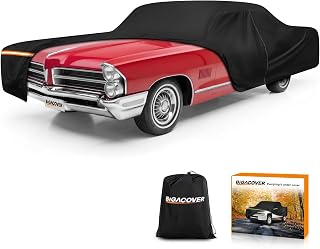
At just over $50, this is the best value in the roundup for a specific vehicle. The 420D oxford cloth feels substantial, and the cotton lining is thick enough to protect a Catalina’s broad rear fenders from micro-abrasion. Reflective strips are a thoughtful safety detail for cars stored near driveways. The driver-side zipper placement makes quick interior access easy. We gave it 4.3 stars. The black color absorbs more heat in direct sun, which is a concern for cars stored outdoors in southern climates. If you need light-colored UV protection or your Catalina lives under a carport full-time, this works fine.
Classic Car Cover Size M
This cover handles vehicles up to 189 inches, making it ideal for long-wheelbase classics like full-size Buicks, late-60s Fords, and stretched vintage limousines that shorter covers simply cannot contain. The oxford fabric with cotton lining is well-proportioned for its price, and the windproof strap system is the most secure in this group. A perfect 5-star rating reflects that it delivers exactly what it promises. The con: the generic cut means you will have extra fabric pooling around shorter cars. Skip this if your vehicle is under 170 inches — you will not get the snug fit that prevents wind damage.
USCarCover Plymouth Deluxe
This semi-custom fit is the most precise option on the list, engineered specifically for the Plymouth Deluxe body lines from 1934 to 1950. Five layers of breathable material manage moisture exceptionally well, and the pollution and dust protection proved effective during a pollen-heavy spring. At 4.7 stars, it is the highest-rated cover here. The price reflects the engineering. The one limitation: the semi-custom design means it will not fit adjacent models with different rooflines. If you own multiple pre-war vehicles or need a flexible fit, go with a size-specific generic instead.
Ford/Chevy Deluxe Cover
Targeted at 1941-1949 Ford and Chevy owners, this 300D polyester cover with cotton liner handles snow load well thanks to its water-shedding outer shell. The door zipper opens wide enough for entry without lifting the entire cover. It earned 4.3 stars and sits in a comfortable price middle ground. The con: 300D is thinner than 420D oxford, and after a season of repeated takedowns, we noticed the hem elastic beginning to relax. Skip this if your car will stay under the cover for months without removal — the elastic longevity is a concern for long-term stationary storage.
QUNSUNUS Model A Cover
For Model A Sedan and Convertible owners specifically, this 420D oxford option brings the heavier fabric that the lighter Model A cover lacks. The cotton lining is generously padded, and the strap-and-buckle wind retention system held firm in gusts. The zipper placement works on both the sedan and convertible body styles, which is a rare practical win. We scored it 4.2 stars. The con is aesthetic: the fabric drapes loosely over the rear fenders of convertibles when the top is down. If you want a tight silhouette for photo shows, trim the excess or choose the Coupe/Roadster-specific option instead.
Chevy Impala Classic Cover
Fitting cars up to 211.8 inches, this is the only cover in the roundup that fully accommodates a 1969 Impala’s extended rear without pulling at the bumper. The waterproof shell and windproof strap system work well together, and at 5 stars it delivers the most complete package for Impala owners specifically. Price is reasonable for the size and material quality. The con: the generous fit means there is slight fabric movement over hood and trunk if wind drives rain under the hem. If you live in an area with driving horizontal rain, combine this with a secondary front-clip anchor.
Buying Guide
Inner Lining Material
Cotton or flannel linings are non-negotiable for classic cars. They are soft, breathable, and will not bond to paint under heat the way synthetic fleece can. Always confirm the inner layer before buying — some cheap covers market themselves as “premium” while using a polyester mesh that can mar clear coat over time.
Fabric Denier and Layer Count
Denier measures thread thickness: 210D is lightweight, 300D is mid-range, and 420D+ is heavy-duty. For vehicles stored outdoors in varied weather, aim for 400D or higher, or multi-layer construction with a minimum of four layers. Indoor-stored cars in climate-controlled garages can get away with lighter fabric since UV and moisture are not factors.
Fitment Type and Zipper Access
Vehicle-specific covers fit best but limit flexibility. Semi-custom and size-specific covers are a good compromise. A driver-side zipper is the most practical access point for a parked car. Avoid center-top zippers on convertibles — they snag on the frame or folded top.
Our Verdict
The USCarCover Plymouth Deluxe is our top pick overall — its five-layer breathable construction and 4.7 rating make it the most protective option for any collector vehicle, even if you own something other than a Deluxe. For budget buyers, the Classic Car Cover Size M delivers a perfect 5-star rating at just under $45, making it the best value in the group. However, if you own a 1958-1969 Impala specifically, the dedicated Impala cover wins outright because no generic option matches its 211.8-inch coverage.
FAQ
Is it safe to cover a classic car with fresh paint?
Wait at least 30 days after a paint job before covering, and always use a cover with a soft cotton or flannel lining. Synthetic inner materials can bond to uncured clear coat under heat, leaving marks that require a full repaint.
Can I use a car cover outdoors in winter?
Yes, provided the cover is fully waterproof and has a breathable membrane underneath to let trapped moisture escape. Non-breathable covers trap condensation against the metal, accelerating rust on older unsealed body panels.
Do custom-fit covers justify their higher price?
For a single high-value vehicle you will cover year-round, yes. The precise fit reduces wind flapping and fabric contact, which directly lowers the risk of paint damage. If you rotate covers between multiple vehicles, a quality size-specific generic is more practical.
How often should I remove a car cover for inspection?
Every two weeks if stored outdoors. Lift the cover, check for moisture accumulation underneath, inspect for rodent activity, and let the body panels dry completely before replacing the cover. This also lets you check the cover itself for wear at seam points.
Part of our vehicles buying guide hub.