Key takeaways
- GSM Rating: Target towels between 800 and 1200 GSM for primary drying tasks, as higher density correlates directly with water absorption capacity and cushioning against paint surfaces.
- Edge Construction: Prioritize edgeless or silk-banded designs over stitched borders to eliminate the most common source of micro-marring during the drying process.
- Weave Type: Select twisted-loop or double-twist piles for maximum water retention on large panels, or waffle-weave patterns for faster sheeting action on glass and coated surfaces.
- Size and Weight: Match towel dimensions to your workflow, using larger 36-inch towels for hoods and roofs while reserving smaller formats for jambs, mirrors, and interior surfaces.
- Maintenance Requirements: Verify that towels withstand repeated washing without fabric softener and confirm they do not shed lint after initial prep cycles to ensure long-term scratch safety.
.
The SMINDER 2-Pack 1200 GSM Car Drying Towels are the best overall choice for scratch-free drying, while the Amazon Basics Microfiber Car Drying Towels serve as the best budget alternative. Choosing the wrong towel can introduce swirl marks and micro-scratches that ruin a fresh wash, so this guide evaluates absorbency, pile density, edge construction, and real-world durability to help you protect your vehicle’s finish.
Our top picks




As an Amazon Associate we earn from qualifying purchases at no extra cost to you. Ratings are shown as listed on Amazon.
Quick Comparison
| Product | Best For | Standout Feature | Rating |
|---|---|---|---|
| SMINDER 2-Pack 1200 GSM | Overall drying performance | Double-twist pile and edgeless design | 4.8 |
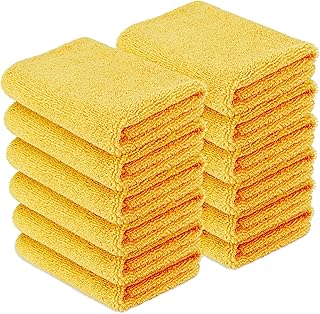
| Amazon Basics Microfiber 12-Pack | Budget bulk drying | High value per towel with lint-free weave | 4.6 |
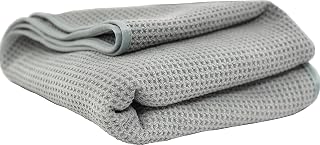
| Chemical Guys Waffle Weave Gray Matter | Premium paint and glass drying | Waffle-weave texture with soft-banded edges | 4.7 |
| MR.SIGA Professional 6 Pack | Versatile dual-sided detailing | Dual-pile construction for wash and dry | 4.5 |
| Edgeless Microfiber 6pk 540 GSM | Interior and trim detailing | Compact size with fully edgeless cut | 4.6 |
How to Choose a Microfiber Drying Towel for Scratch-Free Finishes
- GSM Rating: Target towels between 800 and 1200 GSM for primary drying tasks, as higher density correlates directly with water absorption capacity and cushioning against paint surfaces.
- Edge Construction: Prioritize edgeless or silk-banded designs over stitched borders to eliminate the most common source of micro-marring during the drying process.
- Weave Type: Select twisted-loop or double-twist piles for maximum water retention on large panels, or waffle-weave patterns for faster sheeting action on glass and coated surfaces.
- Size and Weight: Match towel dimensions to your workflow, using larger 36-inch towels for hoods and roofs while reserving smaller formats for jambs, mirrors, and interior surfaces.
- Maintenance Requirements: Verify that towels withstand repeated washing without fabric softener and confirm they do not shed lint after initial prep cycles to ensure long-term scratch safety.
The Best Microfiber Drying Towels for Scratch-Free Finishes Reviewed
Best Overall: SMINDER 2-Pack 1200 GSM Car Drying Towels
This towel delivers exceptional water absorption through its dense double-twist pile, making it ideal for enthusiasts who demand single-pass drying on full-size vehicles without risking swirl marks. The edgeless construction and high GSM rating provide the perfect balance of safety and efficiency for premium paint finishes.
Best Budget: Amazon Basics Microfiber Car Drying Towels
Detailers managing multiple vehicles or high-volume shops will appreciate the cost-effective bulk packaging that maintains reliable lint-free performance across dozens of wash cycles. These towels offer solid baseline absorbency and scratch protection for users who need dependable workhorses without premium pricing.
Best Premium: Chemical Guys Waffle Weave Gray Matter Microfiber Drying Towel
Show car owners and ceramic coating enthusiasts benefit from the specialized waffle-weave texture that excels at sheeting water off hydrophobic surfaces while the soft-banded edges guarantee zero contact marring. This towel is engineered specifically for protected paint and glass where traditional terry weaves may drag or streak.
Best for Versatile Detailing: MR.SIGA Professional Microfiber Towels
Weekend detailers seeking a single towel solution for both washing and drying will find the dual-sided construction offers distinct textures optimized for each task without cross-contamination risks. The gold color coding helps maintain organized workflows while the mid-range GSM suits general-purpose car care beyond just drying.
Best for Interior and Trim: Edgeless Microfiber Car Towels 6pk
Professionals tackling dashboards, door jambs, and delicate trim pieces need this compact format that reaches tight spaces without dragging excess material across sensitive surfaces. The 540 GSM weight provides adequate absorption for spot drying while remaining nimble enough for precision interior work.
Frequently Asked Questions
How often should I replace my microfiber drying towels?
Replace drying towels when they begin shedding lint, lose absorbency despite proper washing, or develop embedded contaminants that cannot be removed through deep cleaning. Most quality towels last 100-200 wash cycles when maintained correctly without fabric softener or excessive heat.
Can I use the same towel for drying paint and wheels?
Never use the same towel for paint and wheel surfaces, as brake dust and road grime embed in fibers and cause severe scratching on clear coats. Maintain separate, clearly labeled towel sets for lower body contamination zones versus upper paint surfaces to preserve scratch-free results.
What is the proper way to wash microfiber drying towels?
Wash microfiber towels separately from cotton items using warm water and fragrance-free detergent, avoiding fabric softener and bleach entirely which coat fibers and reduce absorbency. Tumble dry on low heat or air dry to prevent melting synthetic fibers and maintain the towel’s scratch-safe properties.
Does higher GSM always mean better drying performance?
Higher GSM indicates greater fiber density and water capacity, but excessively heavy towels become unwieldy and slow to dry between uses. The optimal range for automotive drying falls between 800-1200 GSM, balancing absorption speed with practical handling characteristics for efficient workflow.
Final Thoughts
The SMINDER 1200 GSM towels remain the top recommendation for dedicated drying performance, while the Chemical Guys Waffle Weave serves coated vehicles exceptionally well and the Amazon Basics pack delivers unbeatable value for high-volume users. Investing in purpose-built drying towels rather than repurposing general cleaning cloths is the single most effective step toward maintaining scratch-free finishes through every wash cycle.