Key takeaways
- Leather Type Compatibility: Verify whether your vehicle has finished, semi-aniline, or aniline leather, as heavy oils can damage coated surfaces while porous leathers require deeper penetration.
- UV Protection Level: Prioritize formulas containing dedicated UV inhibitors if your car sits in direct sunlight regularly, as conditioning alone cannot prevent photo-oxidation and color fading.
- Color Safety Profile: Always select products explicitly labeled as safe for white or light leather if you have tan or cream seats to avoid irreversible staining or darkening.
- Application Frequency: Consider how often you are willing to maintain your interior, as some deep-penetrating conditioners last months while lighter sprays may require monthly reapplication.
- Residue and Finish: Test for matte versus glossy results on an inconspicuous area first, as automotive leather typically looks factory-correct with a satin finish rather than a high shine.
.
Leather Honey Leather Conditioner is the best overall choice for automotive seat preservation due to its non-toxic formula and proven longevity, while Bick 4 Leather Conditioner serves as the best premium runner-up for owners who require a product that will not darken light-colored upholstery.
Car owners often struggle with leather seats that dry out, crack, or fade from UV exposure and daily friction, making it difficult to distinguish between marketing claims and actual restorative chemistry. This guide cuts through the noise to evaluate six top-rated conditioners based on ingredient safety, absorption rates, UV protection capabilities, and suitability for different leather finishes found in modern and classic vehicles.
Our top picks




As an Amazon Associate we earn from qualifying purchases at no extra cost to you. Ratings are shown as listed on Amazon.
Quick Comparison
| Product | Best For | Standout Feature | Rating |
|---|---|---|---|
| Leather Honey Leather Conditioner | Overall Protection | Non-toxic, made in USA since 1968 | 4.7/5 |
| Tanner’s Preserve Leather Conditioner | Budget Maintenance | Effective restoration at low cost | 4.5/5 |
| Bick 4 Leather Conditioner | Light-Colored Seats | Guaranteed no-darkening formula | 4.6/5 |
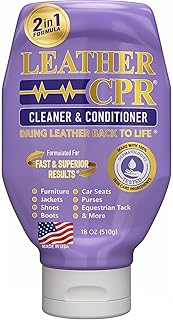
| Leather CPR Cleaner and Conditioner | Neglected Interiors | All-in-one cleaning and restoration | 4.4/5 |
| Weiman Leather Cleaner & Protector | UV Defense | Integrated UV protectants | 4.5/5 |
How to Choose a Leather Conditioner for Seat Preservation
- Leather Type Compatibility: Verify whether your vehicle has finished, semi-aniline, or aniline leather, as heavy oils can damage coated surfaces while porous leathers require deeper penetration.
- UV Protection Level: Prioritize formulas containing dedicated UV inhibitors if your car sits in direct sunlight regularly, as conditioning alone cannot prevent photo-oxidation and color fading.
- Color Safety Profile: Always select products explicitly labeled as safe for white or light leather if you have tan or cream seats to avoid irreversible staining or darkening.
- Application Frequency: Consider how often you are willing to maintain your interior, as some deep-penetrating conditioners last months while lighter sprays may require monthly reapplication.
- Residue and Finish: Test for matte versus glossy results on an inconspicuous area first, as automotive leather typically looks factory-correct with a satin finish rather than a high shine.
The Best Leather Conditioners for Seat Preservations Reviewed
Best Overall: Leather Honey Leather Conditioner
This formula is ideal for enthusiasts seeking a single, non-toxic solution that safely restores moisture without altering the original color of any leather type. Its concentrated nature means one application provides long-lasting protection against drying and cracking, making it the most reliable set-and-forget option for daily drivers and collector cars alike.
Best Budget: Tanner’s Preserve Leather Conditioner
Tanner’s Preserve offers exceptional value for fleet vehicles, work trucks, or older interiors where frequent maintenance is necessary but budget constraints exist. It delivers competent hydration and surface protection for finished auto leather without the premium price tag, making it perfect for high-wear seats that need regular attention.
Best Premium: Bick 4 Leather Conditioner & Cleaner
Professional detailers and owners of luxury vehicles with light-colored cabins trust Bick 4 because it conditions effectively without risking discoloration on sensitive dyes. The advanced formulation cleans and moisturizes simultaneously while maintaining the factory matte appearance, justifying its higher cost for those who cannot afford cosmetic mistakes on expensive upholstery.
Best for Restoration: Leather CPR Cleaner and Conditioner
This product targets neglected seats that have accumulated grime alongside dryness, combining cleaning agents with conditioners in one step to revive lost softness and color. It is specifically suited for buyers acquiring used vehicles or restoring vintage interiors where separate cleaning and conditioning would be too time-consuming.
Best for UV Protection: Weiman Leather Cleaner & Protector
Weiman excels in sunny climates where UV damage is the primary threat to leather longevity, offering robust protectants that shield against fading and cracking. Users in southern states or those who park outdoors should prioritize this formula to extend the lifespan of their seats beyond what standard moisturizers can achieve.
Frequently Asked Questions
How often should I condition my car leather seats?
Most automotive leather benefits from conditioning every three to six months, though vehicles exposed to extreme heat or direct sunlight may require monthly treatment to prevent premature aging.
Can I use household leather conditioner on car seats?
Automotive leather is typically coated differently than furniture or apparel leather, so using products specifically formulated for auto interiors prevents buildup, slippage, or damage to protective topcoats.
Will leather conditioner make my seats slippery?
Quality automotive conditioners absorb fully and leave a matte or satin finish that maintains grip; excessive slipperiness usually indicates over-application or use of a product not designed for car upholstery.
Do I need to clean before conditioning?
Cleaning is essential before conditioning because dirt and oils block absorption; applying conditioner over dirty surfaces traps contaminants and reduces the effectiveness of the treatment.
Final Thoughts
For most car owners, Leather Honey Leather Conditioner remains the safest and most effective all-around choice, while Bick 4 is unmatched for preserving light-colored luxury interiors and Weiman provides critical UV defense for sun-exposed vehicles. Selecting the right product based on your specific leather type and environmental conditions will significantly extend the life and appearance of your automotive seats.