Our Short List of 3

- Best for: Two-camera outdoor coverage with recordings kept on a home base station.
- Two-camera kit with 4K resolution
- Solar powered cameras
- MaxColor night vision
- Face recognition AI

- Best for: Watching a whole indoor room from one camera that can pan and zoom.
- 2K indoor pan-tilt camera
- 355-degree pan range
- 3x optical zoom
- MicroSD card local storage

- Best for: Whole-home wired coverage with continuous recording on a local recorder.
- Four RLC-811A cameras with 8MP resolution
- RLN8-410 network video recorder with a 2TB hard drive
- PoE wired connection for power and video
- 5x optical zoom
All 3 Picks at a Glance
| Product | Specs | Action |
|---|---|---|
| eufy Security eufyCam S3 Pro 2-Cam Kit |
| Check price on Amazon |
| Reolink E1 Zoom |
| Check price on Amazon |
| REOLINK PoE Security Camera System |
| Check price on Amazon |
Key takeaways
- Compare five security cameras that record to local storage with no monthly fee, from solar battery models to a wired PoE system for whole-home coverage.
The real decision behind a security camera is not which one records the sharpest video. It is whether you will still be able to watch that video a month later without paying a recurring fee, and whether the camera keeps working when your internet connection drops. Many cameras look cheap at checkout, then lock playback, cloud history, and person alerts behind a monthly plan, so the true cost only appears later. A camera built around local storage changes that calculation completely, because the recordings live on a memory card, a home base station, or a recorder in your own house.
This guide is for homeowners and renters who want cameras that record locally with no monthly fee, from a solar camera watching a driveway to a pan-tilt camera in a living room or a wired system covering every entrance. The five cameras below were chosen from Amazon product titles and specifications, with a focus on models whose listings state local storage, no subscription, or no monthly fee.
Quick Picks
As an Amazon Associate we earn from qualifying purchases.
| Product | Best for | Key spec from title |
|---|---|---|
| REOLINK Argus 4 Pro Black | Wide driveway and yard coverage without wiring | 4K dual-lens 180-degree view |
| eufy Security eufyCam S3 Pro 2-Cam Kit | Two-camera outdoor coverage with a home base station | 4K solar cameras with HomeBase local storage |
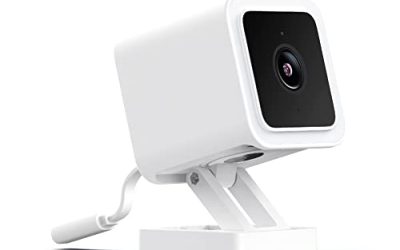
| Reolink E1 Zoom | Watching a whole room from one indoor camera | 2K pan-tilt camera with 3x optical zoom |
| REOLINK PoE Security Camera System | Whole-home wired coverage with a recorder | Four 8MP cameras with an NVR and 2TB hard drive |
| TP-Link Tapo C110 | A simple indoor camera on a small budget | 2K 3MP indoor camera with microSD storage |
How to Choose
Local storage that actually works without a plan
Start with where the recordings go, because that decides whether the camera is useful without a subscription. A microSD card slot stores video inside the camera itself, a home base station keeps recordings on a drive in your house, and a network video recorder holds footage from several wired cameras at once. Check the maximum card size or drive capacity the listing states, and check whether motion alerts still work when no plan is active. Some cameras record locally for free but reserve longer clip history or smart alerts for paying customers, so check what stays free. A camera that only offers a short cloud trial and then stops recording is not a no-subscription camera.
Power and placement before resolution
A camera that needs a power outlet cannot go where you need it most, and a battery camera in a busy spot will need charging more often than the listing suggests. Solar panels suit cameras that watch a driveway or garden, because sunlight keeps the battery topped up between events, while a wired camera suits a front door or garage where an outlet or Ethernet cable is nearby. Indoor cameras are simpler, since a standard outlet is usually close at hand, and a pan-tilt model can replace two fixed cameras in a large room. Match the power source to the spot first, then compare image quality, because a sharp camera that runs out of power at night protects nothing.
Night vision and detection that reduce false alerts
Night vision decides whether a camera is useful after dark, when most break-ins happen, so look for the type of night vision the listing describes rather than a vague promise of clear night video. Color night vision uses a spotlight or a large sensor to keep colors visible, while infrared night vision shows a black-and-white image and works in complete darkness. Motion detection matters just as much, because a camera that alerts you every time a tree moves will soon be ignored. Person, vehicle, and pet detection cut down those alerts, and a camera with a wide field of view can watch a whole yard with fewer blind spots. Choose detection that fits the scene, not the longest feature list.
Weather, wiring, and long-term ownership
Outdoor cameras face rain, heat, and cold, so check the weather resistance and operating conditions stated on the listing before mounting one under an exposed eave. A wired PoE system needs Ethernet cables run to each camera and a recorder with space for a hard drive, which is more work to install but gives a stable connection and continuous recording. Battery and Wi-Fi cameras are easier to install and move, yet they depend on a strong wireless signal and on batteries or solar panels that need occasional attention. Think about who will maintain the system in a year: a simple two-camera kit suits most homes, while a four-camera recorder suits a larger property with several entrances to cover.
The 5 Best Options
REOLINK Argus 4 Pro Black
The Argus 4 Pro suits a homeowner who wants a wide view of a driveway or garden without running cables through a wall. Its dual-lens design covers a 180-degree field of view, so one camera can watch a whole yard where two narrow cameras would normally be needed, and the solar panel keeps the battery charged in a sunny spot. Color night vision helps identify a person or vehicle after dark, and local recording to a microSD card or a Reolink home hub means the footage stays in your hands with no subscription required for basic recording.
Specs
- 4K dual-lens camera with a 180-degree field of view
- 8MP resolution with ColorX night vision
- Battery powered with a solar panel
- 5GHz and 2.4GHz Wi-Fi
- AI detection
- MicroSD card and Home Hub local storage
- No subscription stated on the listing
Best for: Wide outdoor coverage from a single wireless camera with no wiring.
Watch out for: Check the listing variant carefully, because a different Argus 4 Pro listing may omit the solar panel, and confirm the card size you plan to use.
eufy Security eufyCam S3 Pro 2-Cam Kit
- Best for: Two-camera outdoor coverage with recordings kept on a home base station.
- Two-camera kit with 4K resolution
- Solar powered cameras
- MaxColor night vision
- Face recognition AI
Two-camera outdoor coverage with recordings kept on a home base station.
Confirm the HomeBase storage capacity included in the kit you buy, and check where the base station needs to sit for a reliable wireless link.
The eufyCam S3 Pro kit suits a household that wants two outdoor cameras and a single place where all recordings are kept. Each camera runs on solar power, so the pair can watch a front door and a back garden without new wiring, and the HomeBase stores video locally instead of sending it to a cloud plan. The listing states no monthly fee, which is the point of this kit: the cameras, the base station, and the storage work together as a closed system in your home. Face recognition and MaxColor night vision add detail after dark, though the real value is having two cameras ready to mount.
Watch out for: Confirm the HomeBase storage capacity included in the kit you buy, and check where the base station needs to sit for a reliable wireless link.
Reolink E1 Zoom
- Best for: Watching a whole indoor room from one camera that can pan and zoom.
- 2K indoor pan-tilt camera
- 355-degree pan range
- 3x optical zoom
- MicroSD card local storage
Watching a whole indoor room from one camera that can pan and zoom.
The listing mentions a short free cloud trial for one camera, so set up microSD recording from the start if you want to stay subscription-free.
The E1 Zoom suits anyone who wants one indoor camera to watch a whole room, whether that is a living room, a hallway, or a room where a pet stays during the day. Its pan-tilt head sweeps across the room and its optical zoom brings a distant corner closer without the blur of digital zoom, so a single camera can follow movement instead of staring at one fixed spot. Recordings go to a microSD card, and the camera supports RTSP for viewers who want to watch the feed on their own network. It is a straightforward indoor pick that keeps its footage local.
Watch out for: The listing mentions a short free cloud trial for one camera, so set up microSD recording from the start if you want to stay subscription-free.
REOLINK PoE Security Camera System
- Best for: Whole-home wired coverage with continuous recording on a local recorder.
- Four RLC-811A cameras with 8MP resolution
- RLN8-410 network video recorder with a 2TB hard drive
- PoE wired connection for power and video
- 5x optical zoom
Whole-home wired coverage with continuous recording on a local recorder.
Plan the Ethernet cable runs before buying, and confirm the recorder location has power and space for the hard drive.
This PoE system suits a larger home where Wi-Fi cameras would struggle and where several entrances need reliable, continuous recording. Four wired cameras connect to a network video recorder over Ethernet, which carries both power and video through one cable per camera, and the recorder holds a 2TB hard drive for local footage. The 8MP cameras with optical zoom give a closer look at a gate or driveway without swapping hardware, and because everything is wired, the system keeps recording even when the wireless network is busy. Installation takes more planning than a battery camera, but the result is a stable system with no monthly fee.
Watch out for: Plan the Ethernet cable runs before buying, and confirm the recorder location has power and space for the hard drive.
TP-Link Tapo C110
The Tapo C110 suits a renter or a first-time buyer who wants a simple indoor camera without committing to a camera system. It records in 2K to a microSD card of up to 256GB, so clips stay on the card with no subscription, and two-way audio lets you speak through the camera to someone in the room. Night vision covers a dark room, and motion detection sends alerts when something moves. It is the smallest commitment in this guide: one camera, one card, one outlet, and no monthly plan to manage.
Specs
- 2K 3MP indoor camera
- MicroSD card storage up to 256GB
- Night vision up to 30 feet
- Two-way audio
- No subscription stated on the listing
Best for: A simple indoor camera for one room with local card storage.
Watch out for: The card is not included with the camera, so buy a microSD card rated for continuous recording and check the card size limit.
Which One Fits Your Situation
You want one camera for a driveway with no wiring
Choose the REOLINK Argus 4 Pro Black. Its 180-degree dual-lens view covers a wide driveway from a single mount, the solar panel keeps the battery charged, and local storage means the recordings are available without a monthly plan. A narrow camera would leave blind spots at the edges of the yard, while this one watches the whole scene.
You want two outdoor cameras and one place for recordings
Choose the eufy Security eufyCam S3 Pro 2-Cam Kit. Two solar cameras cover a front and a back entrance, and the HomeBase keeps both sets of recordings in one place inside your home. The kit states no monthly fee, so the running cost stays at zero once the cameras are mounted.
You want to watch a room, a pet, or a hallway indoors
Choose the Reolink E1 Zoom if the room is large, because its pan-tilt head and optical zoom follow movement across the space, or the TP-Link Tapo C110 if you only need one fixed view of a single room. Both record locally to a microSD card, and the choice comes down to whether the camera needs to move.
You want a permanent system for a larger home
Choose the REOLINK PoE Security Camera System. Four wired cameras and a recorder with a 2TB hard drive give continuous coverage of several entrances without relying on Wi-Fi, and the wired connection stays stable when the network is busy. It needs more installation work, but it is the right fit when a property has several spots to protect.
Common Mistakes
- Buying a camera for its headline resolution without checking whether local recording works with no plan active.
- Mounting a battery camera in a busy spot and then finding it needs charging far more often than expected.
- Fitting a microSD card that is too small, or one not rated for continuous recording, and losing footage when it fills up.
- Placing a Wi-Fi camera too far from the router and blaming the camera when the live view keeps dropping.
- Assuming a free cloud trial means the camera records for free, instead of setting up local storage before the trial ends.
Frequently Asked Questions
Do these cameras work without a subscription?
Yes. Each camera in this guide records locally, whether to a microSD card, a HomeBase, or a network video recorder, and the listings state no subscription or no monthly fee for that local recording. Some features, such as extended cloud history or extra smart alerts, may still need a plan on some models, so check the listing for the exact features that stay free.
How much local storage do I need?
A single indoor camera recording only on motion can run for weeks on a 128GB card, while a camera recording continuously will fill the same card in days. For outdoor cameras, a 256GB card is a sensible starting point, and a recorder with a 2TB drive suits several cameras recording around the clock. Larger cards and drives keep older footage available for longer before it is overwritten.
Can I watch the cameras when I am away from home?
Yes, in most cases you can view the live feed and stored clips through the camera app on your phone, because the app connects back to the camera or base station over the internet. Remote viewing is not the same as cloud storage: the recordings still live on your card or recorder, and the app simply lets you reach them from elsewhere.
Is a wired PoE system better than battery cameras?
A wired system is better for a larger home that needs continuous recording from several cameras, because Ethernet gives a stable connection and the recorder holds all the footage in one place. Battery cameras are better when you cannot run cables, or when you only need one or two cameras in spots where wiring is impractical. Choose based on the property, not on which type sounds more advanced.
FAQ
Do these cameras work without a subscription?
How much local storage do I need?
Can I watch the cameras when I am away from home?
Is a wired PoE system better than battery cameras?
More from Amazon
Programs that pair well with the guide above. Offers and eligibility are set by Amazon and may change.
Free shipping on eligible items, Prime Video and more. Eligible new members can start with a free trial.
Start a Prime free trialA Prime membership for ages 18-24 with a trial period. Eligibility is set by Amazon.
See Prime for Young AdultsAudiobooks and podcasts to listen to on the go. Eligible new members can start with a free trial.
Try Audible freeAd-free music streaming. Eligible new subscribers can start with a free trial.
Try Music Unlimited freeAs an Amazon Associate we earn from qualifying purchases.