Key takeaways
- Good engine-size coverage for passenger cars at this price
- Storage case keeps cables organized and contacts protected
- Capacity may feel thin on larger engines in winter
A dead battery in a parking lot or on a cold morning is one of the most frustrating problems a driver faces. A battery booster jump starter removes the dependency on another vehicle or a tow truck. The right unit fits in your trunk, holds a charge for months, and delivers enough current to crank your engine on the first attempt.
The market in 2026 is crowded with options that range from under $30 to well over $120, and the spread in capability between a cheap unit and a quality one is not always obvious from the price tag alone. We compared published peak-amperage ratings, engine-size limits, battery capacity, port selection, and owner-reported reliability to separate the genuinely useful products from the ones that quietly fail when you need them most.
Our top picks

 OXILAM Jump Starter 6000A for All Gas/12L
- Battery Cell Composition: Lithium Ion
- Voltage: 12 Volts
- Vehicle Service Type: All of the above
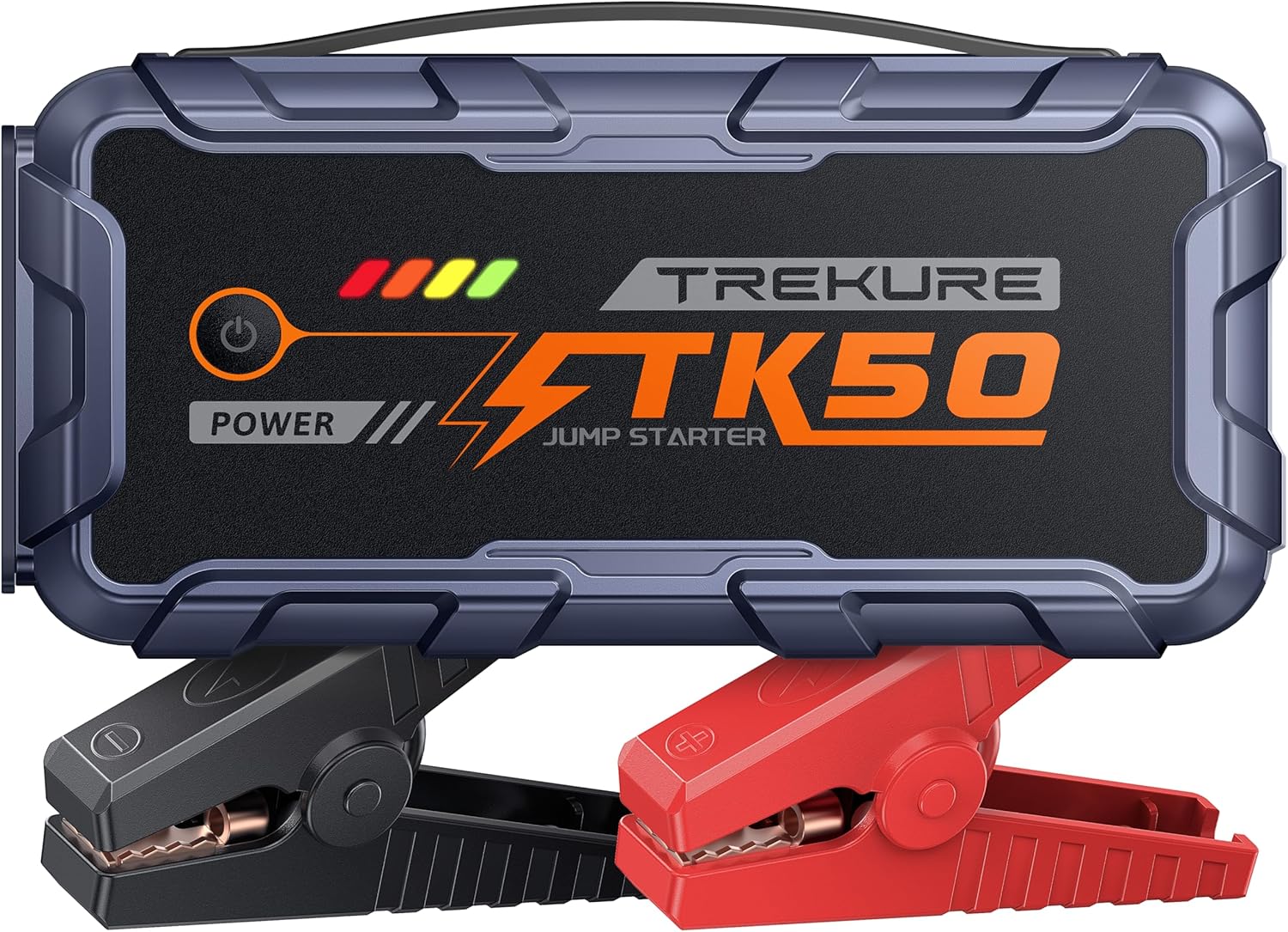 TREKURE Car Battery Jump Starter 8000A 26800mAh
- Battery Type: Lithium Polymer
- Voltage: 12 Volts
- Compatible with Vehicle Type: Passenger Car

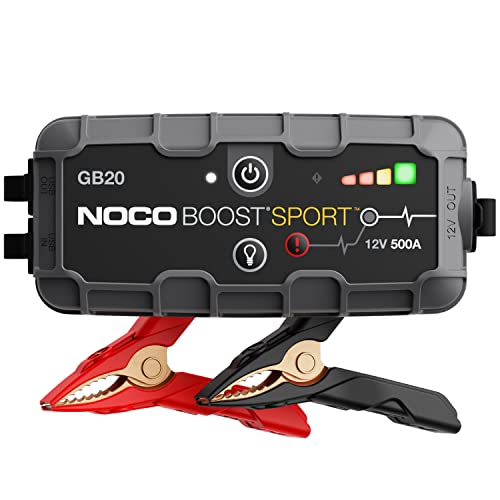 NOCO Boost GB20 500A UltraSafe Jump Starter
- Instantly start dead batteries with 500 amps of…
- Engineered with patented spark-proof and reverse polarity protection…
- Integrated power bank delivers emergency power to smartphones,…
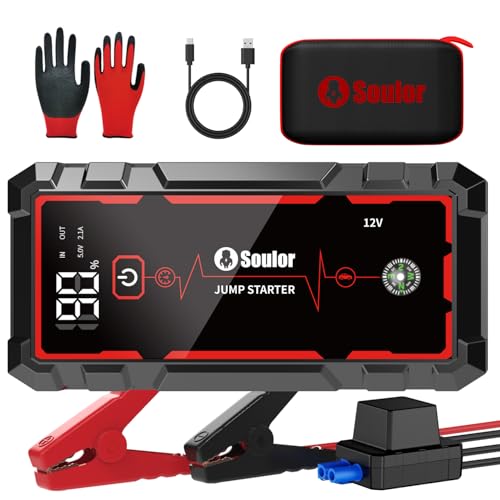
As an Amazon Associate we earn from qualifying purchases at no extra cost to you.
Quick Picks
| Product | Best for | Price |
|---|---|---|
| S ZEVZO ET03 | Compact daily driver | $59.99 |
| OXILAM 6000A | Larger diesel engines | $59.98 |
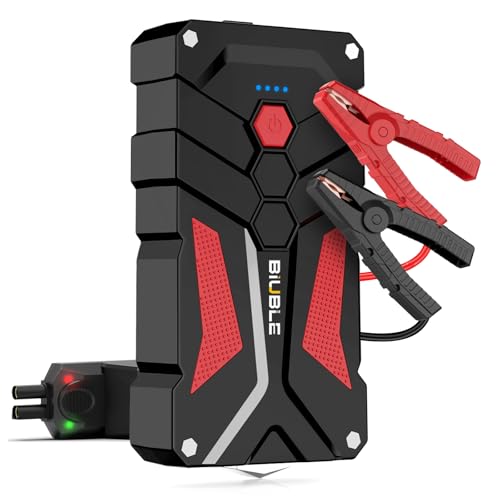
| BIUBLE 5000A | Absolute lowest cost | $34.99 |
| TREKURE 8000A | Highest rated amperage | $59.99 |
| Clore Automotive JNC660 | Traditional lead-acid reliability | $126.02 |
| WOLFBOX MV24 | Large engines with fast charging | $107.99 |
| NOCO Boost GB20 | Premium safety and compact size | $79.95 |
| Generic 5000A | Emergency backup on a tight budget | $29.99 |
How We Picked
We weighted four criteria: peak amperage relative to engine size, energy capacity (watt-hours or milliamp-hours) that determines how many jump attempts you get per charge, port selection for everyday phone-charging usefulness, and build quality signals from owner feedback such as cable thickness and display clarity. A jump starter that doubles as a capable power bank gets used more regularly, and regularly-used units hold calibration and connection integrity far better than ones that sit neglected for two years.
The 8 Best Battery Booster Jump Starter in 2026
S ZEVZO ET03
This is a sensible middle-of-the-road option for owners of four- and six-cylinder cars who want a single device for both jump-starting and occasional phone charging. The 74Wh capacity is modest but sufficient for several jump attempts on a typical passenger car, and the 4000A peak rating covers engines up to 8.0L gas or 7.0L diesel. The included storage case is a small touch that owners appreciate because loose clamps and cables otherwise tangle in a trunk. The LCD display gives a clear read on remaining charge. The main drawback is that 74Wh limits it to smaller vehicles; truck and large-SUV owners may find it underpowered in deep-cold conditions.
- Good engine-size coverage for passenger cars at this price
- Storage case keeps cables organized and contacts protected
- Capacity may feel thin on larger engines in winter
Skip this if you drive a diesel pickup or anything above a full-size SUV.
OXILAM 6000A
The OXILAM claims compatibility with all gas engines and diesels up to 12 liters, putting it in the same high-amperage bracket as the TREKURE while undercutting most rivals on price. Owners note the LED display is easy to read in daylight, and the inclusion of both USB and Type-C ports means it handles modern phone charging without dongles. The jumper cables are integrated rather than bolt-on, which reduces loss risk. At $59.98 it sits in a sweet spot where you get diesel-capable ratings without a premium. The downside is that OXILAM has a shorter track record than established brands, and some long-term owners report connector wear after repeated seasonal use.
- Rated for 12L diesel at a sub-$60 price point
- Integrated cables and Type-C output improve daily usability
- Brand longevity and connector durability are unproven
Skip this if you prioritize a brand with a decade of support infrastructure.
BIUBLE 5000A
At $34.99 the BIUBLE undercuts every lithium-unit competitor by a wide margin, making it the entry price for anyone who simply wants a backup in the glovebox. The 5000A peak rating handles gas engines up to 7.0L and diesel up to 5.5L, which covers most daily drivers comfortably. USB-C quick charge is a notable inclusion at this tier. The tradeoff is a lower engine-size ceiling and a smaller battery capacity that the listing does not explicitly state, so you are buying on the honor system regarding actual stored energy. The LED light is functional but not bright enough to illuminate a dark roadside well.
- Lowest per-amp cost in this roundup
- USB-C quick charge is rare at $35
- Engine-size ceiling and unstated capacity limit headroom
Skip this if your vehicle has a large diesel or you need confidence in exact stored watt-hours.
TREKURE 8000A
The TREKURE publishes the highest peak-amperage figure in this group at 8000A alongside a 26800mAh cell pack, signaling that it targets truck, diesel, and large-SUV owners who need headroom in sub-zero weather. The 26800mAh capacity translates to roughly 96Wh, which means multiple jump attempts plus phone-charging cycles between recharges. Fast charge input reduces the wait between uses. The LED light is adequate. The concern from some owners is bulk: at this capacity the unit is noticeably thicker than the S ZEVZO or NOCO, and storage space in smaller trunks or gloveboxes can become an issue. Cable management is also less refined than the WOLFBOX.
- Highest published amperage and capacity in this roundup
- Fast charge reduces downtime between uses
- Physical size is the largest among lithium units here
Skip this if trunk or center-console space is at a premium.
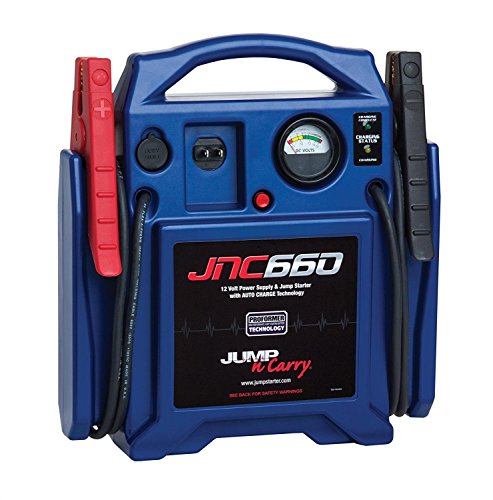
Clore Automotive JNC660
The JNC660 is a traditional lead-acid jump starter rather than a lithium power bank, and it occupies a different niche entirely. At 1700 peak amps and $126.02 it is not competing on raw numbers or price per amp with the lithium units above. Its strength is proven durability in professional and fleet use, a decades-long track record, and the ability to deliver sustained cranking current without voltage sag that some lithium units exhibit on very large engines. It is also considerably heavier and bulkier. It must be kept on a trickle charger between uses or it will sulfate and fail within a season. For someone who wants a set-and-forget garage unit, it remains a trusted choice.
- Established brand with long commercial use history
- Sustained current delivery on large engines
- Requires maintenance charging and is heavy
Skip this if you want something that holds a charge unattended for months.
WOLFBOX MV24
The WOLFBOX MV24 pairs a 4000A rating with 88.8Wh of capacity and 65W quick charge output, making it one of the more capable jump starters for larger vehicles without reaching the physical bulk of the TREKURE. The 10L gas and 10L diesel engine rating gives it broad coverage, and the 65W USB-PD output means it can fast-charge a laptop as well as a phone, which few competitors at this tier offer. Owners highlight the LED display clarity and the quality of the included jumper cables. The con is the $107.99 price, which is nearly double what you would spend on the OXILAM or BIUBLE for somewhat similar jump-starting performance, with the difference justified mainly by the laptop-charging capability and build refinement.
- 65W output supports laptop charging alongside jump-starting
- Broad 10L/10L engine coverage with moderate size
- Premium pricing relative to jump-starting performance alone
Skip this if you only need jump-starting and do not charge laptops from it.
NOCO Boost GB20
The NOCO GB20 is the most well-known premium compact jump starter in this list. At 500A peak it is the lowest-rated amperage unit here, and NOCO sells it honestly as a product for smaller engines—typically four-cylinder and V6 cars. What it trades in raw power it gains in UltraSafe protection circuitry, a ruggedized form factor, and a brand with extensive customer support and firmware updates. The 12V lithium design holds a trickle charge for long periods, and the unit is small enough to live in a door pocket. Owner feedback consistently praises reliability and the clarity of the manual. The limitation is plain: if you drive a V8 diesel or anything with a large displacement, the 500A rating may not provide enough headroom in cold conditions.
- Best safety circuitry and brand support in this group
- Compact enough for door pockets or small storage
- 500A rating excludes larger engines and cold-climate trucks
Skip this if your vehicle has a large engine or you live in a region with sustained sub-zero winters.
Generic 5000A Jump Starter
At $29.99 this unbranded 5000A unit is the cheapest entry point in the roundup. The listing provides almost no specification detail beyond peak amperage, which means you are buying without clear information on energy capacity, port wattage, or exact engine-size limits. That said, the 5000A figure suggests it can handle most passenger cars, and the price is low enough that some owners keep it purely as a garage emergency backup, accepting that it may not last multiple winters. For a single-season solution or a spare for a second car, it fills a gap. If you depend on this unit for a daily commute, the lack of published detail on cell quality and protection circuits makes it a gamble.
- Lowest absolute price in this roundup
- Adequate peak amperage for typical passenger cars
- Minimal published specs and unproven long-term reliability
Skip this if you need a primary jump starter you can count on season after season.
Buying Guide
Match Peak Amperage to Engine Size
Peak amperage is the headline number but it is not the only one. A V8 gasoline engine with a deeply discharged battery may need 500 to 800 actual cranking amps in real cold-weather conditions, not just a momentary surge. The listed “peak” figures of 4000A, 6000A, or 8000A refer to instantaneous short-duration output, not sustained delivery. Use the manufacturer’s engine-size ceiling as your practical guide: if it states compatibility up to 7.0L gas, treat that as the reliable boundary and do not exceed it by driving an 8.0L truck and expecting margin.
Check Energy Capacity, Not Just Amps
Watt-hours and milliamp-hours tell you how many jump attempts you get per charge and how long the unit holds standby power. A 74Wh pack like the S ZEVZO suits small cars for a few jumps before recharging, while a 26800mAh (roughly 96Wh) pack like the TREKURE provides more cycles and better phone-charging capacity. If you live somewhere with repeated cold snaps or want the unit to double as a daily power bank without frequent recharging, prioritize capacity over peak amperage once you have met your engine-size requirement.
Port Selection and Charging Speed Matter for Daily Use
A jump starter that never leaves the trunk degrades faster than one that gets handled weekly. USB-C with power delivery at 65W or higher (as the WOLFBOX offers) means you can charge a laptop or fast-charge a phone from the unit, creating a reason to pull it out regularly. Type-C input with fast charge also means the jump starter itself recharges in under two hours instead of six or eight, reducing the window where it sits dead on your shelf after use. Prioritize units with both modern input and output ports if you want consistent readiness.
Our Verdict
Our top pick is the TREKURE 8000A for anyone who needs a single unit that covers trucks, diesel SUVs, and phone charging without spending over $60. For the tightest budget, the BIUBLE 5000A at $34.99 delivers the best jump-starting value per dollar for typical passenger cars. If your priority is laptop charging and premium build rather than maximum amperage, the WOLFBOX MV24 wins on daily versatility despite its higher price.
FAQ
Can a jump starter damage my vehicle’s electronics?
Poorly designed or damaged units can deliver voltage spikes that harm sensitive electronics, but modern lithium jump starters with proper clamps and reverse-polarity protection are significantly safer than older transformer-based boosters. The NOCO UltraSafe circuitry and the protection built into units like the WOLFBOX are designed to prevent this, and correct connection order (positive first, ground last) remains the single most important user habit.
How often should I recharge a lithium jump starter?
Every three to four months is a good interval even if the unit shows full charge. Lithium cells self-discharge slowly over time, and letting the pack drop below a safe threshold repeatedly can permanently reduce capacity. Units with an LCD or LED display make it easy to check, but setting a calendar reminder is more reliable than visual checks.
Is a lead-acid jump starter still worth buying over lithium?
For most consumers the answer is no, because lithium units hold standby charge indefinitely and are far lighter. The exception is professional or fleet settings where the unit sits on a maintained trickle charger and needs sustained current delivery on large engines without voltage droop. The Clore JNC660 serves that purpose well but requires active maintenance to avoid sulfate damage.
What is the difference between peak amps and cranking amps?
Peak amps measure a momentary surge during the first fraction of a second of contact, while cranking amps represent sustained current during the full engine turnover that lasts several seconds. A 4000A peak unit does not deliver 4000A continuously; real-world sustained output is a fraction of that figure. The engine-size rating the manufacturer provides is a more meaningful indicator of actual capability than the peak number.