Key takeaways
- best smartphones under 6 inch: the last small phones still sold new, with big screens, long battery life and expandable storage, plus what to check first.
Small phones are nearly extinct. Most new smartphones now stretch past six inches, and the compact models that once filled pockets and small hands have quietly disappeared from store shelves. That leaves buyers who want a phone they can use one-handed with a narrow set of choices, and the few that remain are specialist devices rather than mainstream flagships. Knowing what is actually still sold, and in what condition, matters more than any feature list.

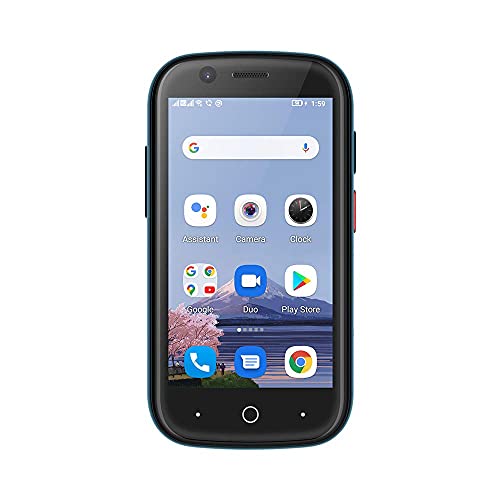
This guide is for buyers who want a genuinely small phone: people with small hands, runners and hikers who want a light second device, and anyone tired of a phone that needs two hands for every task. It also suits parents looking for a first phone that fits a child’s pocket. Every phone below was chosen from the name and specifications shown on its Amazon page, and this guide states plainly where the small-phone class now stands. Both phones come from Unihertz, the specialist maker keeping the tiny-phone class alive.
Quick Picks
As an Amazon Associate we earn from qualifying purchases
| Product | Best for | Key spec from title |
|---|---|---|
| Unihertz Jelly Star | Smallest usable Android phone for one-handed use | 3-inch display with 8GB RAM and 256GB storage |
| Unihertz Jelly 2 | Small phone with fingerprint unlock and NFC payments | 3-inch display with 6GB RAM and microSD slot |
How to Choose
Accept the Real State of Small Phones
The honest starting point is that the sub-six-inch class has almost no mainstream phones left. Apple ended its mini line, and the small Android flagships of a few years ago have left the market. When you search Amazon US for those older models, the listings that appear are renewed units, which this guide does not recommend as new-phone purchases. The two phones below are the small devices still sold as new listings, and both come from Unihertz, a maker that specializes in tiny phones. Set your expectations there before comparing specs. Makers follow sales, and sales follow large screens, so the small-phone class now survives only through specialist brands like Unihertz.
Screen Size and One-Handed Use
A three-inch screen sounds unusable until you hold one, and that is the point: these phones exist for people who value pocketability over screen space. Typing, maps and messaging all work, but video and long reading sessions feel cramped, so think about what you actually do on a phone each day. If your day is calls, messages, music and quick lookups, a tiny screen is fine. If you watch video for hours or edit documents, a small phone will frustrate you, and a larger phone with a compact case may serve you better. Try the size in your hand first, since a screen that looks fine in photos can feel different in daily use.
Battery Life on a Tiny Body
Small phones carry small batteries, and there is no way around the physics: a 2,000mAh cell cannot match the endurance of a modern large phone. Both phones in this guide list the same capacity, so expect a day of light use and plan to charge nightly. Heavy use with navigation or video will drain them faster, so a portable charger is a sensible companion. Check the charging port and speed too, since a slow top-up matters more when the battery is small and you need a quick boost before heading out. Carry a power bank on long days, and turn down the screen brightness to stretch the charge further. Charge it every night.
Carrier Support and Software Age
A small phone is only useful if it works on your carrier and runs software you can live with. Both phones here list support for T-Mobile and Verizon networks, but you should confirm your exact carrier and bands before ordering, since tiny-phone makers do not cover every network. Software age matters as well: these phones ship with older Android versions than current flagships, so check which apps you need and whether they still support the version on the phone. A phone that cannot run your banking app is not a bargain at any size. Check the supported bands and the software version together before you order, since both decide whether the phone works for you.
The 2 Best Options
Unihertz Jelly Star
The Jelly Star is the smallest usable Android phone in this guide, with a three-inch display in a body that weighs just 116 grams and disappears into any pocket. Its Helio G99 octa-core processor and 8GB of RAM keep everyday apps moving, and 256GB of storage leaves room for music, photos and offline maps without constant cleanup. The 48MP rear camera is unusually strong for a phone this size, and the 8MP front camera handles video calls well enough. Android 13 keeps it current enough for most apps, and its tiny footprint makes it the purest one-handed phone still sold new. At 116 grams it is lighter than most.
Specs
- 3-inch display with 480 by 854 resolution
- Helio G99 octa-core processor with 8GB of RAM
- 256GB of internal storage
- 48MP rear camera and 8MP front camera
- 2,000mAh battery in a 116 gram body
- Android 13 with support for T-Mobile and Verizon networks
Best for: Buyers who want the smallest new Android phone that still runs modern apps, with a strong camera and room for photos.
Watch out for: The 2,000mAh battery needs nightly charging, and the three-inch screen is cramped for video, long reading and heavy typing.
ASIN: B0CCJ6TH74
Unihertz Jelly 2
The Jelly 2 is the practical sibling to the Jelly Star, trading some speed for everyday conveniences that matter on a tiny phone. Its fingerprint sensor unlocks the phone without a PIN on a three-inch screen, and NFC supports tap-to-pay where it is accepted. A microSD slot adds storage beyond the 128GB built in, which suits buyers who carry large music libraries or offline maps. The Helio P60 processor and 6GB of RAM handle calls, messaging and light apps smoothly, and Android 11 runs the essentials. It is the small phone for buyers who want familiar features in a pocket-sized body. A side fingerprint sensor unlocks it quickly.
Specs
- 3-inch display with a compact pocket-sized body
- Helio P60 processor with 6GB of RAM and 128GB of storage
- MicroSD slot for expandable storage
- NFC for tap-to-pay and a fingerprint sensor for quick unlock
- 2,000mAh battery
- Android 11 with support for T-Mobile and Verizon networks
Best for: Buyers who want a tiny phone with fingerprint unlock, NFC and expandable storage for music and photos.
Watch out for: Android 11 is older than the Jelly Star’s software, so check that your essential apps still support it, and expect fewer software updates over time.
ASIN: B0FL6VKRBP
Which One Fits Your Situation
The Smallest Phone Possible
If the smallest usable phone is the whole point, the Jelly Star is the pick. Its three-inch screen and 116 gram body fit anywhere, and its 8GB of RAM with 256GB of storage give it the strongest hardware in this guide. The 48MP camera is a bonus for a phone this size. Choose it when pocketability matters most and you want the most capable tiny phone still sold new. Both fit a pocket easily.
A Tiny Phone With Everyday Features
If you want fingerprint unlock and tap-to-pay in a small body, the Jelly 2 fits better. Its fingerprint sensor and NFC cover the daily conveniences many buyers miss on specialist phones, and the microSD slot adds storage flexibility. The processor is older and the software is a generation behind the Jelly Star, but for calls, messages and light apps it does the job in a pocket-sized frame. The 256GB storage holds your photos.
A Second Phone for Travel and Sport
If you want a second phone for running, hiking or travel, either model works, and the choice comes down to weight and storage. The Jelly Star is lighter in the hand and carries more storage, while the Jelly 2 adds NFC for payments on the move. Both use the same small battery, so carry a portable charger for days away from an outlet, and confirm your carrier supports the model you choose.
A First Phone for a Child
If you are buying a first phone for a child, a tiny phone has appeal: it fits small hands and small pockets, and its size naturally limits video binges. The Jelly Star’s newer software and stronger camera make it the better long-term choice, while the Jelly 2’s fingerprint sensor helps a child unlock it quickly. Either way, set up parental controls and a data plan that matches how the phone will be used.
Common Mistakes
- Expecting a flagship experience from a specialist tiny phone, then being disappointed by its older software, its small battery and its cramped keyboard.
- Buying a renewed mini flagship without checking the listing condition, the seller and the return terms first, then finding wear or a weak battery.
- Ignoring carrier compatibility, then discovering the phone does not work on your network at all.
- Judging a three-inch screen by photos alone, without thinking about how typing, maps, messages and video feel at that size.
- Forgetting a portable charger, then running dry halfway through a day of navigation, calls, maps and messages.
Frequently Asked Questions
Why are there so few smartphones under 6 inches now?
Buyers voted with their wallets for larger screens, and makers followed. Big screens suit video, gaming and reading, and larger bodies hold bigger batteries, so the market moved toward six inches and beyond. Small phones became a niche served by specialist makers like Unihertz rather than mainstream brands. That is why this guide lists two phones instead of four.
Can I still buy an iPhone mini as a small phone?
The iPhone 13 mini and iPhone 12 mini were the last mainstream small phones, but Apple no longer sells them new. Search Amazon US and the listings that appear are renewed units, which carry wear and battery uncertainty. This guide only lists phones sold as new, so check the seller and battery health before buying a renewed mini.
Is a 3-inch phone actually usable every day?
It depends on what your day looks like. Calls, texts, maps, music and searches all work fine on a three-inch screen, and one-handed use is easier. Long video sessions and heavy typing feel cramped, and the small battery needs nightly charging. Many buyers use a tiny phone for light tasks, while others keep it as a second phone.
Do these small phones work on all carriers?
No, and this is the detail to check first. Both phones in this guide list support for T-Mobile and Verizon networks, but coverage depends on your exact carrier and the bands it uses. Confirm compatibility with your carrier before ordering, and check whether the phone supports the features you need, such as VoLTE and Wi-Fi calling.
FAQ
Why are there so few smartphones under 6 inches now?
Can I still buy an iPhone mini as a small phone?
Is a 3-inch phone actually usable every day?
Do these small phones work on all carriers?
More from Amazon
Programs that pair well with the guide above. Offers and eligibility are set by Amazon and may change.
Free shipping on eligible items, Prime Video and more. Eligible new members can start with a free trial.
Start a Prime free trialA Prime membership for ages 18-24 with a trial period. Eligibility is set by Amazon.
See Prime for Young AdultsAudiobooks and podcasts to listen to on the go. Eligible new members can start with a free trial.
Try Audible freeAd-free music streaming. Eligible new subscribers can start with a free trial.
Try Music Unlimited freeAs an Amazon Associate we earn from qualifying purchases.