Key takeaways
- Palm, claw and fingertip grips explained by contact points, with hand measurements, mouse-shape matching and an honest plan for switching grips.
Every aiming problem that survives a sensitivity change is worth checking against your grip. How your hand contacts the mouse decides which muscles aim, how fast you can micro-correct, and how your hand feels in hour three, yet most players inherit a grip by accident from their first mouse and never examine it. The real decision is not which grip is best in the abstract; it is which grip your hand, your mouse and your games actually support.
This guide defines the three main grips by their contact points, then matches them to hand size, mouse shape and game type, and finishes with an honest method for switching if you have a reason to. It names no products and recommends no purchases, because grip is a technique decision first. As an Amazon Associate we earn from qualifying purchases. Nothing that follows requires buying anything first, because the cheapest grip change is the one you make with the mouse already sitting on your desk.
How to Choose
Read your current grip from contact points
Forget grip names for a moment and look at where your hand touches the mouse. If your whole palm rests on the shell’s back and your fingers lie flat along the buttons, that is palm grip: maximum contact, maximum stability. If only the rear of your palm touches while your fingers arch with fingertips on the buttons, that is claw grip, the middle ground. If nothing but fingertips hold the mouse, that is fingertip grip. Most players honestly sit between two of these, in relaxed claw or palm-claw hybrids, and naming your real contact points is the diagnosis everything else builds on. Start from contact points, not labels.
Match grip to hand size and mouse shape
Measure your hand twice: length from middle fingertip to the crease at the base of your palm, and width across the knuckles without the thumb. As rough guides, under about 17 cm of length is small, 17 to 20 cm is medium, and over 20 cm is large. A workable starting heuristic is a mouse length around 60 percent of your hand length for claw and fingertip grips, while palm grip wants a mouse that fills more of the hand. Hump position matters as much as length: a rear hump braces palm and claw, while a low, centred hump suits fingertip control. Test the result rather than trusting the band.
Match grip to the games you play
Stated as tendencies rather than rules: tactical FPS players often favour claw or fingertip, because fingers deliver fast micro-corrections while the arm makes large movements. Tracking-heavy shooters and MOBA players often favour claw or palm-claw, balancing correction speed against the control that frequent clicking over long fights demands. MMO, RTS and long-session players often favour palm, because comfort across hours outranks a small correction edge and because large multi-button mice are built for palm anyway. The governing principle sits above every genre: a grip that cramps after thirty minutes is the wrong grip, whatever the game. Comfort across a full session outranks every tendency on this list.
Decide whether switching is worth it
Change grip for a reason: pain, a new mouse shape your old grip does not fit, or a specific control problem you can name. Do not change because a streamer plays differently; their hand size, mouse and sensitivity are not yours. If you do switch, expect roughly one to two weeks of regular play before the new grip feels natural, and expect your aim to feel worse before it feels better. Use the new grip for full sessions in lower-stakes modes rather than reverting mid-match, and treat wrist or forearm pain during adaptation as a fit problem to fix, not a learning curve to push through. Reasons first, novelty last, always.
Which One Fits Your Situation
Your hand cramps during long sessions
Move toward palm support: more palm contact on a fuller mouse shape spreads the load, and check honestly whether you have been running a fingertip grip on a mouse too heavy for it, which is the classic cramp recipe. The check costs nothing: play one long session with your palm deliberately resting on the shell and notice whether the cramp arrives later than usual.
Your micro-adjustments feel sluggish in shooters
Try claw or fingertip on a smaller, lighter, low-profile mouse, so your fingers take over the fine work your arm is currently doing slowly, and give the change full sessions before judging it. Keep the sensitivity unchanged for the first sessions, so the only variable you are judging is the grip itself and not two changes at once.
You just bought a smaller esports mouse
Your old palm grip may simply no longer fit the new shell. Test a relaxed claw on it for a week before blaming the mouse, because the shape change alone often explains the strange first days. If relaxed claw feels natural by the end of that week, the mouse was never the problem; the grip it forced on you was.
You play both FPS and MMO on one setup
A palm-claw hybrid on a medium symmetrical mouse is the usual workable compromise between correction speed and session comfort. The honest alternative is two mice, one shaped for each job. Two mice is not an extravagance when each game asks opposite things of the same hand for hours at a time, week after week.
Common Mistakes
- Forcing a fingertip grip on a large, heavy mouse because the grip is fashionable, when the shape fights the technique from the first minute: fingertip control needs a small, light, low mouse the fingers can nudge and lift alone, and a big shell makes every correction a wrestling move that ends in fatigue rather than precision. The same logic applies in reverse to a small mouse in a large hand, where fingertip grip becomes forced rather than chosen: the fingers do all the holding because there is nothing for the palm to hold, and the fatigue gets blamed on the grip style instead of the size mismatch that created it. Technique cannot rescue a fit problem, and no amount of practice makes an undersized or oversized shell contact the hand in places it physically does not reach.
- Choosing a mouse by a grip label without measuring your hand, so the so-called claw mouse is simply the wrong size for you: grip names describe contact patterns, not dimensions, and a medium mouse in a large hand cramps under any grip name printed on its box. The two measurements take a minute with a ruler and settle most of the argument before money moves: hand length against mouse length, hand width against the shell’s grip width. Players skip them because grip names sound like answers, but a name carries no dimensions, and the player who measures first discovers that half the mice they were considering were never candidates at all, whatever style the marketing attached to them or however many players use them.
- Gripping harder when aiming badly, squeezing tension into the hand precisely when fine control is failing: extra force reduces the fingers’ ability to make small corrections, and the actual fix is almost always fit, sensitivity or a calmer hand, never a stronger squeeze. Watch for it during tense rounds, when the hand tightens without being asked: the click fingers stiffen, the wrist locks, and the aim that felt smooth in practice turns jagged under pressure. Deliberately relaxing the hand between rounds is a skill of its own, and it transfers across every grip style, every mouse and every game in a way that a new purchase never will, because the tension lives in the player rather than in the equipment.
- Judging a new grip after a single evening and switching back, when adaptation honestly takes one to two weeks of consistent play: the first sessions with any new grip feel worse, and a player who quits on day one has measured the transition cost, not the grip. A fair test looks like this: full sessions, in the modes you actually play, for a week or more, with your sensitivity left alone so the grip is the only variable changing. Notes help more than memory, because day three always feels worse than day ten and memory keeps the wrong one. Players who run that test usually keep the new grip or reject it for a stated reason, and either outcome is a decision rather than a mood.
- Copying a favourite player’s grip without their hand size, their mouse and their sensitivity, when grip is one part of a connected system: the same grip on a different hand and a different shell produces a different result, and the copy usually imports the look without the fit. The system point cuts both ways: your own grip, measured on your own hand with your own mouse, is data, while a professional’s setup is a photograph of someone else’s answer. Borrow the method players use to test a grip, by all means, but generate your own result, because the hand doing your aiming is the only one whose measurements, habits and fatigue patterns the final choice has to satisfy in the end.
Frequently Asked Questions
Which grip style is best for FPS games?
There is no single best. Claw and fingertip grips give faster micro-corrections and are common in tactical shooters, while palm gives stability and comfort over long sessions. The right choice fits your hand and your mouse and stays comfortable for a full session, which matters more than any genre tendency. Genre tendencies describe what is common, not what is correct for your particular hand and mouse.
How do I measure my hand for a gaming mouse?
Measure length from the tip of your middle finger to the crease at the base of your palm, and width across the knuckles without the thumb. As a rough guide, small is under about 17 cm long, medium is 17 to 20 cm, and large is over 20 cm. Write both numbers down, because every mouse size recommendation you meet afterwards is built on those two measurements.
Can I change my grip style, or is it fixed?
You can change it. Most players adapt within one to two weeks of consistent play, provided they switch for a concrete reason such as comfort, pain or a control problem, and give the new grip full sessions instead of mixing grips from match to match. Pain that persists through the adaptation period is information about fit, and it outranks any schedule this guide suggests.
Does grip style affect which mouse I should buy?
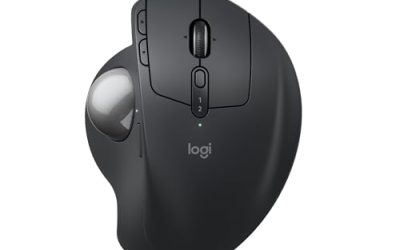
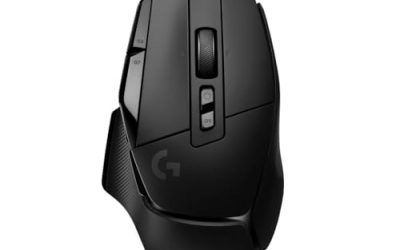
Yes, directly. Palm suits larger mice with a full back hump, including ergonomic shapes; claw suits medium mice with a supportive rear hump; fingertip suits small, light, low-profile mice. Shape and size should follow the grip you intend to use, not the other way round. That is also why borrowing a friend’s mouse for a weekend tells you more than a week of reading size charts.
FAQ
Which grip style is best for FPS games?
How do I measure my hand for a gaming mouse?
Can I change my grip style, or is it fixed?
Does grip style affect which mouse I should buy?
More from Amazon
Programs that pair well with the guide above. Offers and eligibility are set by Amazon and may change.
Free shipping on eligible items, Prime Video and more. Eligible new members can start with a free trial.
Start a Prime free trialA Prime membership for ages 18-24 with a trial period. Eligibility is set by Amazon.
See Prime for Young AdultsAudiobooks and podcasts to listen to on the go. Eligible new members can start with a free trial.
Try Audible freeAd-free music streaming. Eligible new subscribers can start with a free trial.
Try Music Unlimited freeAs an Amazon Associate we earn from qualifying purchases.