Key takeaways
- System Type: Vacuum kits draw fluid out through the bleeder nipple, pressure kits push new fluid in from the reservoir, and one-way valve hose kits rely on gravity and pedal movement. Vacuum and pressure systems are fastest for solo use; valve kits are cheapest and simplest.
- Vehicle Compatibility: Check that the kit includes adapters or universal fittings that match your bleeder screw sizes and reservoir cap. Pressure systems are the most adapter-dependent — verify coverage for your specific make and model before purchasing.
- Power Source: Hand-powered vacuum pumps work anywhere but require effort. Air compressor-driven kits move fluid quickly but need a compressor. Electric 12V pressure kits offer consistent flow and are ideal for frequent use but add cost.
- Fluid Capacity: For a full four-wheel flush you typically need 1–2 liters of fluid. Kits with larger refill bottles or reservoirs reduce mid-job refills, while small capacity setups may require stopping to top up.
- Durability and Sealing: Look for brass or aluminum valves, reinforced PVC hoses, and quality O-rings. Cheap plastic valves and ill-fitting caps leak vacuum pressure or allow air back in, defeating the purpose of the tool.
What's inside
Bleeding brakes has traditionally been a two-person job — one person pumping the pedal while another cracks the bleeder valve. For solo mechanics and weekend wrenchers, that means begging a family member to sit in the driver’s seat or resorting to imprecise pedal-pumping tricks that leave air in the lines. A dedicated brake bleeder kit eliminates that dependency, allowing a single person to flush old fluid, remove trapped air, and restore a firm pedal feel without an assistant.
This guide covers the top brake bleeder kits suited for solo use, ranging from budget one-way valve hose setups to professional-grade pressure and vacuum systems. Whether you’re maintaining a track car, servicing a motorcycle, or tackling a full fluid flush on your daily driver, the right kit saves time, reduces mess, and ensures a properly bled system. Below, we compare the best options and explain what to look for before buying.
As an Amazon Associate we earn from qualifying purchases at no extra cost to you.




🛒 Best Price Today on Amazon
Prime members get fast, free shipping on everything above, plus member-only deals. New members get a 30-day free trial — cancel anytime.
How to Choose a Brake Bleeder Kit for Solo Mechanics
- System Type: Vacuum kits draw fluid out through the bleeder nipple, pressure kits push new fluid in from the reservoir, and one-way valve hose kits rely on gravity and pedal movement. Vacuum and pressure systems are fastest for solo use; valve kits are cheapest and simplest.
- Vehicle Compatibility: Check that the kit includes adapters or universal fittings that match your bleeder screw sizes and reservoir cap. Pressure systems are the most adapter-dependent — verify coverage for your specific make and model before purchasing.
- Power Source: Hand-powered vacuum pumps work anywhere but require effort. Air compressor-driven kits move fluid quickly but need a compressor. Electric 12V pressure kits offer consistent flow and are ideal for frequent use but add cost.
- Fluid Capacity: For a full four-wheel flush you typically need 1–2 liters of fluid. Kits with larger refill bottles or reservoirs reduce mid-job refills, while small capacity setups may require stopping to top up.
- Durability and Sealing: Look for brass or aluminum valves, reinforced PVC hoses, and quality O-rings. Cheap plastic valves and ill-fitting caps leak vacuum pressure or allow air back in, defeating the purpose of the tool.
The Best Brake Bleeder Kits for Solo Mechanics Reviewed
AUTOOL Vacuum Brake Bleeder Kit
This AUTOOL vacuum kit generates 0.5–2.5 bar of suction, making it one of the more capable hand-operated units for one-person air-free bleeding. It includes refilling functionality and works across most passenger vehicles, striking a solid balance between price and performance for the home mechanic.
OFBAND One-Way Valve Brake Bleeder Kit
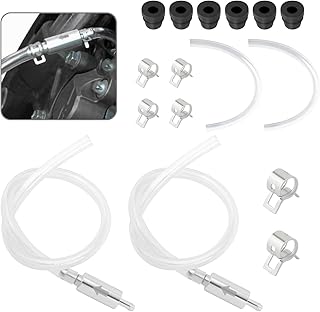
A straightforward two-set kit with four hoses, one-way check valves, and universal fitment for cars, motorcycles, and bikes. It is the most affordable option here and ideal for quick jobs, though it relies on pedal pumping rather than continuous vacuum or pressure.
One-Way Check Valve Brake Bleed Kit (Aluminum Valve)
Similar in concept to the OFBAND but upgraded with aluminum valves, metal clips, and screw caps for better sealing and longevity. The aluminum construction improves durability over all-plastic alternatives, making it a reliable budget pick for solo brake and clutch bleeding.
ANCEL BR2000 Elite Pressure Brake Bleeder
The ANCEL BR2000 is a 12V electric pressure system that services all four wheels simultaneously, includes 12 adapters and 6.5-liter bottles, and is built for both shop and serious DIY use. It is the most expensive option in this roundup but delivers unmatched speed and convenience for frequent fluid replacements.
BILITOOLS 3L Vacuum Brake Bleeder Kit
This pneumatic vacuum kit pairs an air-compressor-driven extractor with a 3-liter capacity and a 1-liter refill bottle, making full system flushes efficient and clean. It is well-suited for solo mechanics who already own a compressor and want shop-level capability without the price tag of an electric pressure bleeder.
Frequently Asked Questions
Can one person really bleed brakes without a helper?
Yes. One-way valve hose kits prevent air from re-entering the system during pedal pumps, while vacuum and pressure kits move fluid continuously without pedal involvement. All the kits in this guide are designed for solo operation.
Is a vacuum or pressure bleeder better?
Pressure bleeders push new fluid in from the top and tend to be faster and less likely to introduce air, but they require exact reservoir cap adapters. Vacuum bleeders draw fluid out from the bleeder screw and are more universally compatible but can occasionally pull air past thread seals.
Do I need an air compressor to use these kits?
Not necessarily. Hand-pump vacuum kits and one-way valve hose kits require no external power. Pneumatic kits like the BILITOOLS and electric kits like the ANCEL BR2000 do require an air compressor or 12V power source respectively.
How often should brake fluid be bled and replaced?
Most manufacturers recommend replacing brake fluid every two to three years or 30,000 miles, whichever comes first. Brake fluid is hygroscopic, meaning it absorbs moisture over time, which lowers its boiling point and can cause a spongy pedal or brake fade under hard use.
Final Thoughts
For solo mechanics who want the best overall balance of capability and value, the AUTOOL vacuum kit and BILITOOLS pneumatic kit are strong picks, while the ANCEL BR2000 stands out as the top choice for those willing to invest in a fast, four-wheel simultaneous pressure system. If budget is the priority, the aluminum one-way valve kit gets the job done reliably for occasional use.