Key takeaways
- Find the best truck tires for highway and off road with this guide to all-terrain and hybrid tread designs, load ratings, sizing, road noise and winter grip.
As an Amazon Associate we earn from qualifying purchases.
A truck tire that has to work on the highway and off road asks for two opposite things at once. On pavement you want a quiet ride, steady handling at speed, short wet braking distances and long tread life, while on dirt, gravel, mud and rock you want deep tread blocks, a tough sidewall and grip that does not quit when the surface turns loose. Picking the wrong side of that trade leaves you with a tire that howls on the commute or clogs with mud when you leave the asphalt.
This guide is written for half-ton and heavy-duty pickup owners who split their miles between daily driving and unpaved work or recreation, including commuters with gravel driveways, contractors reaching job sites, towers, hunters, campers and overlanders. It explains how all-terrain and hybrid tread designs differ, what load ratings and sizing really mean, and how to judge noise, wet grip, durability and winter performance before you buy, so you can match a tire to the driving you actually do.
How to Choose
Four decisions shape almost everything about a dual-purpose truck tire. Work through them in order, starting with the tread pattern, and the rest of the choice falls into place.
All-Terrain vs Hybrid vs Mud-Terrain Tread Design
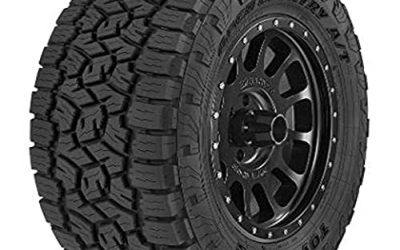
The tread pattern sets the balance between highway manners and off-road grip. A classic all-terrain tire uses interlocking blocks and plenty of siping, thin cuts that add biting edges. That design stays quiet at speed, wears evenly and clears water well, while still digging into gravel, dirt and light mud, making it the default for most. A hybrid tire sits between all-terrain and mud-terrain designs, with larger shoulder blocks, wider voids and a more aggressive sidewall for better mud and rock grip, but noisier and faster-wearing. A full mud-terrain goes further, with huge widely spaced lugs that self-clean in thick mud, yet the noise, harsh ride and wet-braking penalty make it a poor daily commuter pick.
Road Noise, Ride Comfort and Wet Grip
Highway comfort comes down to tread pitch and block stability. Makers vary the size and sequence of tread blocks around the circumference so the hum does not concentrate at one frequency, which is why two similar-looking tires can sound very different at cruising speed. Interlocking blocks and 3D sipes keep blocks from flexing under load, reducing noise and uneven wear. Wet grip matters just as much: wide circumferential grooves evacuate water and resist hydroplaning, while dense siping bites through thin water films. A tire with big open voids can still perform poorly in rain if its grooves cannot move water away quickly, so rank wet braking ahead of maximum mud traction if your region sees frequent rain.
Load Rating, Ply Strength and Sizing
A truck tire must carry the truck, its payload and often a trailer, so load capacity matters. Every tire carries a load index number and a load range letter that state how much weight one tire supports at its rated pressure. Half-ton pickups usually run load range C or D, while heavy-duty trucks that tow or haul regularly need load range E and its stronger carcass. Confirm the rating meets your door jamb placard figure, especially if you tow a trailer, carry a camper or load the bed with tools. Sizing matters too: width or diameter changes affect clearance, gearing and speedometer accuracy, and a three-ply sidewall resists cuts from sharp rock far better than a thin two-ply one.
Tread Life, Winter Performance and the 3PMSF Mark
Tread life is where the highway and off-road compromise hits your wallet. Aggressive open tread wears faster on pavement because fewer blocks touch the road and each one flexes more, so a mud-biased tire can need replacement sooner than a mild all-terrain. Regular rotation, correct inflation and prompt alignment extend life more than any tread feature. Winter performance is a separate question: deep lugs help in unpacked snow, but ice and packed snow demand dense siping and a compound that stays pliable in the cold. The three-peak mountain snowflake symbol marks tires that passed a standardized snow traction test, yet it is not equal to a dedicated winter tire, which uses a softer compound and far more siping.
Which One Fits Your Situation
Your driving pattern decides which compromise is right. Match the tire to the week you actually live, not the adventure you imagine once a year.
Daily Commuter Who Hits Dirt Roads on Weekends
If your truck is a daily driver that sees gravel driveways, forest service roads and the occasional campsite, a mild all-terrain tire is the smart pick. It keeps highway noise low, holds wet grip in the rain and wears evenly across tens of thousands of miles, while still handling dirt, gravel and light mud without drama. Choose a 3PMSF-rated option if your winters bring snow, and keep the stock size so ride quality and speedometer accuracy stay close to factory.
Work Truck That Tows and Hauls
A work truck that tows a trailer or carries a heavy payload needs load capacity first and tread aggression second. Look for a load range E all-terrain tire with a load index that covers your combined weight, a reinforced sidewall and a tread pattern that stays stable under load without squirming. The right tire here resists heat buildup on long highway pulls, holds its shape under a loaded bed and still grips on muddy job sites and unpaved access roads.
Weekend Overlander and Trail Explorer
Overlanders who drive hours of highway to a trailhead, then spend days on rock, sand and rutted tracks, benefit from a hybrid or rugged-terrain tire. The open shoulder blocks and tougher sidewall handle sharp rock and ruts, while the tire still tracks straight at highway speed on the way home. Accept a little more road noise as the cost of trail capability, carry a full-size spare, and look for stone ejectors if your routes run over loose gravel.
Winter Driver in Snow and Ice
If your cold season brings packed snow, ice and freezing rain, winter capability should lead the decision. A 3PMSF-rated all-terrain tire with dense siping and a cold-flexible compound is the minimum, and dedicated winter tires are the stronger answer for trucks that run in severe conditions every day. Check pressures often in cold weather, since pressure drops as temperatures fall, and remember that all-wheel drive helps you move but does nothing to help you stop.
Common Mistakes
Most bad tire purchases come from the same handful of avoidable errors. Watch for these before you spend money on a set that will live on your truck for years.
- Buying the most aggressive tread available: A mud-terrain tire looks ready for anything, but on a truck that commutes daily it means more noise, faster wear, longer wet braking distances and a harsher ride, all for grip you may use only a few days a year. The lugs that claw through deep mud spend the rest of their life slapping pavement, and the open voids that self-clean on the trail do nothing for you in stop-and-go traffic. Be honest about your real split of miles before choosing, and remember that the toughest-looking tire is rarely the best tire for a truck that spends most of its life on the highway.
- Ignoring load range and load index: Fitting a passenger-rated or under-rated tire to a truck that tows or hauls risks overheating, sidewall failure and poor handling under load, so always check the rating against your door placard and your real payload. A tire that is fine empty can run hot and flex excessively once a trailer is hitched or the bed is loaded, and the damage often shows up as a blowout far from help rather than a slow warning. If you tow a travel trailer, carry a slide-in camper or haul tools and materials, the load rating is the first specification to check, not an afterthought.
- Sizing up without checking clearance: A taller or wider tire can rub at full lock, throw off the speedometer and odometer, change effective gearing and strain the drivetrain, so verify fitment and recalibration needs before you buy. The size code on your current tires is the safe starting point, and any change needs a check against suspension travel, steering clearance and the spare tire well. A tire that looks perfect in the shop can scrub the inner fender on the first tight turn, and the cost of fixing gearing and speedometer error can erase any benefit the larger size offered.
- Running the wrong pressure: Inflating to the maximum printed on the sidewall instead of the vehicle placard value causes a harsh ride and center tread wear, while running too low builds heat, wears the shoulders and hurts fuel economy, so check pressures cold and adjust for load. Pressure also drops as temperatures fall, which means a tire that was correct in summer can be several pounds low by the first cold snap. Keep a gauge in the truck, check monthly and before long trips, and remember that the placard pressure is the baseline for normal loads, with higher pressures sometimes specified when towing or hauling.
- Skipping rotation and alignment: All-terrain tread wears unevenly without regular rotation, and a truck that pulls or wears one edge will ruin a new set quickly, so rotate on schedule and fix alignment the moment wear looks uneven. Front tires on a heavy pickup carry the engine and do the steering, so they wear differently from the rears, and rotation is what evens that out. A quick alignment check costs far less than a premature set of tires, and catching a worn ball joint or tie rod early protects both the tires and the steering.
Frequently Asked Questions
Are all-terrain tires good on the highway?
Yes, a modern all-terrain tire is designed for exactly that dual role, and most deliver a quiet, stable highway ride with good wet grip and long tread life. The key is choosing a mild to moderate tread rather than the most aggressive pattern, since open lugs and wide voids add noise and wear faster on pavement. Keep pressures correct and rotate regularly for the best highway manners.
What is the difference between all-terrain and hybrid tires?
An all-terrain tire balances highway comfort with moderate off-road grip, using interlocking tread blocks and dense siping. A hybrid or rugged-terrain tire sits between all-terrain and mud-terrain designs, with larger shoulder blocks, wider voids and a more aggressive sidewall for better mud and rock traction. Hybrids grip harder off road but run louder and usually wear faster on pavement.
Do I need load range E tires for my truck?
It depends on how much weight your truck carries. Half-ton pickups used mainly for commuting and light loads usually do fine on load range C or D tires, while heavy-duty trucks that tow trailers, carry slide-in campers or haul heavy payloads generally need load range E. Check the load index on the tire and the placard on your door jamb, and choose a rating that covers your heaviest realistic load.
Can one set of tires handle both summer highways and winter snow?
A 3PMSF-rated all-terrain tire can handle both reasonably well, since the symbol marks tires that passed a standardized snow traction test and the compound stays flexible in cold weather. However, it is still a compromise compared with a dedicated winter tire, which uses a softer compound and far more siping for ice and packed snow. If winters are severe, a dedicated winter set is the safer choice.
FAQ
Are all-terrain tires good on the highway?
What is the difference between all-terrain and hybrid tires?
Do I need load range E tires for my truck?
Can one set of tires handle both summer highways and winter snow?
More from Amazon
Programs that pair well with the guide above. Offers and eligibility are set by Amazon and may change.
Free shipping on eligible items, Prime Video and more. Eligible new members can start with a free trial.
Start a Prime free trialA Prime membership for ages 18-24 with a trial period. Eligibility is set by Amazon.
See Prime for Young AdultsAudiobooks and podcasts to listen to on the go. Eligible new members can start with a free trial.
Try Audible freeAd-free music streaming. Eligible new subscribers can start with a free trial.
Try Music Unlimited freeAs an Amazon Associate we earn from qualifying purchases.