Key takeaways
- Reading and clearing trouble codes from the engine and, on better-supported vehicles, modules such as ABS, airbag, transmission, and body control.
- Viewing live data such as coolant temperature, fuel trims, oxygen-sensor readings, battery voltage, and wheel-speed information.
- Checking readiness monitors before an emissions inspection.
- Performing selected service resets, such as oil-life, battery, electronic parking brake, steering-angle, or throttle relearns.
- Running special functions that may help after replacing a battery, brake components, sensors, or other parts.
What's inside
The Short Answer
Yes—if you regularly diagnose or repair vehicles and the scanner supports your car’s specific systems. A bidirectional OBD2 scanner is worth the extra cost when you want to do more than read and clear trouble codes. It can send commands to selected vehicle modules, helping you confirm whether a component works before replacing it. For an occasional “check engine” light, however, a basic code reader or free parts-store scan is usually the better value.
In 2026, prices range from roughly $50 for an entry-level phone-based tool to $300 or more for a more complete handheld scanner. The important question is not simply whether a scanner is bidirectional; it is whether it can actively test the systems you need on your particular make, model, year, and trim.
As an Amazon Associate we earn from qualifying purchases at no extra cost to you. Product prices and availability are accurate as of the date shown and are subject to change.


What You Actually Get
A standard OBD2 reader listens to the vehicle’s computer. It retrieves diagnostic trouble codes, displays live data, and may erase codes after a repair. A bidirectional scanner can also send commands back to the vehicle. This is commonly called active testing, actuator testing, or control testing.
Depending on the vehicle and scanner, you may be able to command a radiator fan on and off, cycle a fuel pump, operate an electronic throttle, trigger a horn, activate an air-conditioning clutch, open or close certain valves, or test door locks and windows. These commands are useful because they can separate an electrical or control problem from a failed mechanical component.
For example, if a cooling fan never runs, a basic reader might show a temperature reading and perhaps a related code. A bidirectional tool may let you command the fan on. If the fan responds, the motor and wiring may be functional, shifting attention toward the temperature sensor, relay logic, or control module. If it does not respond, you still need a multimeter and wiring knowledge, but the test can prevent unnecessary parts swapping.
Most bidirectional scanners also include ordinary diagnostic functions:
- Reading and clearing trouble codes from the engine and, on better-supported vehicles, modules such as ABS, airbag, transmission, and body control.
- Viewing live data such as coolant temperature, fuel trims, oxygen-sensor readings, battery voltage, and wheel-speed information.
- Checking readiness monitors before an emissions inspection.
- Performing selected service resets, such as oil-life, battery, electronic parking brake, steering-angle, or throttle relearns.
- Running special functions that may help after replacing a battery, brake components, sensors, or other parts.
Coverage varies sharply. “Bidirectional” does not mean the scanner can control every module on every vehicle. Some functions require a software subscription, an internet connection, a security gateway authorization, or a paid manufacturer access account. Read the vehicle-coverage list before buying.
Pros
- Faster diagnosis: Active tests can show whether a component responds instead of leaving you to guess from a code.
- Less parts swapping: A $60 sensor may not fix a problem caused by a broken wire, blown fuse, or failed control module. Testing first can save considerably more than the scanner costs.
- Useful for common repairs: Fans, pumps, solenoids, relays, throttle systems, and some HVAC components are often easier to investigate with commanded tests.
- More than an engine-code reader: Many tools scan several vehicle systems, not just the emissions computer.
- Service functions add value: A scanner that can perform a battery registration or electronic parking-brake service may pay for itself if you do your own maintenance.
- Better information for a repair shop: Even when you do not complete the repair, module codes and freeze-frame data can make a professional diagnosis more focused.
- Available at multiple price points: A phone-based tool such as the $51.99 TOPDON TopScan Lite offers an inexpensive introduction, while a handheld option such as the $268.97 Innova 5610 is aimed at owners who want a more substantial diagnostic device.
Cons
- Coverage is vehicle-specific: A scanner may perform an active test on one model but offer only code reading on another. Always verify support for your exact year, make, model, engine, and system.
- The tool does not interpret every result for you: An actuator that fails a command may have a bad component, damaged wiring, a missing power supply, or a module problem. Diagnosis still requires a wiring diagram and basic electrical testing.
- Subscriptions can change the real cost: Some brands include updates for a period, then charge for continued coverage or advanced functions. A low purchase price is less attractive if important features are locked behind recurring fees.
- Active tests can create problems when used carelessly: Do not command a fuel pump, cooling fan, clutch, or moving actuator while working near it. Follow the manufacturer’s warnings and keep hands, tools, and clothing clear.
- Phone-based models depend on another device: Bluetooth tools need a compatible phone, a charged battery, an app, and sometimes a reliable internet connection. Notifications and connection failures can interrupt a test.
- Some functions need extra equipment: A scanner cannot replace a multimeter, test light, battery charger, smoke machine, pressure gauge, or mechanical inspection.
- It may be unnecessary for simple ownership: If you only need to read a code once every few years, a professional scan or inexpensive reader is usually more economical.
Who Should Buy It
A bidirectional scanner makes sense for a hands-on owner with two or more vehicles, a high-mileage vehicle, or a willingness to perform basic repairs. It is especially valuable if you are comfortable checking fuses, measuring voltage, following service procedures, and researching manufacturer-specific codes.
It can also be a practical purchase for a small independent technician, a serious DIY mechanic, or someone who frequently buys used vehicles. Before purchase, confirm that the scanner covers the modules and special functions you expect to use. If you service newer vehicles, check whether secure gateway access is included or requires a separate registration.
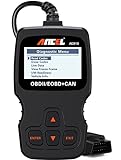
Choose a phone-based device when compact storage and low upfront cost matter most. The TOPDON TopScan Lite is the type of tool that can fit in a glove box and use a smartphone as its display. Choose a handheld scanner such as the Innova 5610 when you prefer a dedicated screen, physical controls, and a more traditional diagnostic workflow. A handheld device is also convenient when you do not want to keep a phone connected during a test.
Who Should Skip It
Skip a bidirectional scanner if you are uncomfortable working around electrical systems or moving engine components. It is also a poor fit if your vehicle is still under warranty and you would send all faults to a dealer anyway.
It may not be worthwhile for a low-mileage vehicle that has never shown a warning light. Likewise, do not buy one solely because an online listing promises “full system diagnosis.” Those phrases can conceal limited coverage, unavailable active tests, or extra charges for updates. A basic reader is sufficient if your goal is only to identify a check-engine code and provide it to a repair professional.
Cheaper Alternatives
| Option | Cost | Trade-off |
|---|---|---|
| Free parts-store code scan | $0 | Convenient for a check-engine light, but usually provides limited data and no active tests. |
| Basic wired OBD2 reader | $20–$60 | Reads and clears common engine codes, but generally cannot command components or scan many body systems. |
| Entry-level Bluetooth scanner | $25–$80 | Small and inexpensive, but app quality, vehicle coverage, and subscription requirements vary widely. |
| TOPDON TopScan Lite | $51.99 | Low-cost access to bidirectional features and service functions, but it depends on a phone and exact vehicle support. |
| Professional diagnostic scan at a repair shop | $75–$200 per visit | Gives you trained interpretation and shop equipment, but repeated visits can quickly exceed the price of a scanner. |
FAQ
Can a bidirectional scanner fix a car?
No. It can command certain components, reset selected systems, and provide information, but it does not repair wiring, replace parts, program every module, or guarantee a diagnosis. Think of it as a testing instrument rather than an automatic repair device.
Is a bidirectional scanner difficult to use?
The basic functions are usually straightforward: connect the scanner, select the vehicle, read codes, and review data. Active tests require more care. You should understand what component you are commanding, what a normal response looks like, and what safety precautions apply.
Do I need a bidirectional scanner for a check-engine light?
Usually not. A basic code reader can identify many engine and emissions faults. A bidirectional model becomes useful when the code is ambiguous, the problem involves an actuator, or you want to verify a repair without replacing parts based on a code alone.
How much should I spend?
For occasional DIY use, plan on about $50–$120 for a capable entry-level option. Frequent home mechanics may benefit from spending roughly $150–$350 on a handheld scanner with broader system coverage and clearer support terms. Spend more only when the added vehicle coverage, service functions, updates, or technical support match the vehicles you actually maintain.