Key takeaways
- Pro: Dual 4K recording with a current-generation sensor
- Pro: Ships with a free 128GB card, no extra purchase needed
- Con: The unit is bulkier than compact alternatives, noticeable on a windshield
Every year, millions of insurance disputes, parking lot hit-and-runs, and false fault claims end the same way: one driver says one thing, the other says something else, and there is no independent witness. A dash cam closes that gap permanently. It records what actually happened, timestamps it, and makes your version of events the one that holds up. The problem is that not all cameras deliver usable footage. A blurry nighttime clip is worthless, and a single-front camera that misses the rear during a fender-bender defeats the entire point of ownership.
What separates a good dash cam from a mediocre one comes down to a handful of concrete factors: the image sensor (which dictates how legible plates and faces appear after dark), the number of channels (front only, or front and rear, or full cabin coverage), and whether the package includes enough storage to start recording immediately. These dash cam reviews compare eight models available in 2026 on their published specifications, listed prices, and recurring themes drawn from owner feedback.
Our top picks
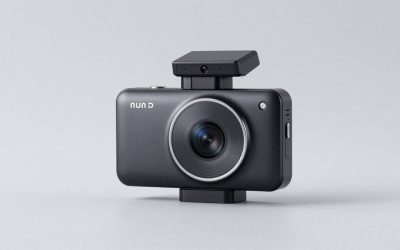
 ROVE R2-4K Dual Dash Cam Front and
- Compatible with Vehicle Type: Bus, Car, Minivan, SUV, Truck
- Connectivity Technology: USB, Wi-Fi
- Video Capture Resolution: 1080p, 2160p
Sony STARVIS 2 sensor improves low-light footage
Dual-band WiFi enables faster app downloads
128GB card and GPS tracking come included
Full 24-hour parking mode needs a separate hardwire kit
Setup involves mounting both front and rear cameras
 REDTIGER 4K STARVIS 2 Dashcam Front Rear
- Compatible with Vehicle Type: Bus, Car, Minivan, Truck
- Connectivity Technology: Wi-Fi
- Video Capture Resolution: 1080p, 2160p
Voice control allows hands-free operation while driving
128GB card is included so no extra purchase needed
Touch screen and GPS add convenient on-device control
Wired installation means routing cables through the cabin
Relies on an SD card that needs periodic management
 70mai A810 Lite 4K Dash Cam Front
- Connectivity Technology: 5GHz Wi-Fi 6
- Video Capture Resolution: 1080p, 2160p
- Mounting Type: Windshield Mount
4G LTE lets you check live footage remotely
Three-mode GPS tracks speed route and location
Supercapacitor handles heat better than a battery
4G remote access may require a separate data plan
Setup involves mounting both front and rear cameras
| Product | Key specs | |
|---|---|---|
| ROVE R2-4K Dual Dash Cam Front and | Compatible with Vehicle Type: Bus, Car, Minivan, SUV, Truck Connectivity Technology: USB, Wi-Fi Video Capture Resolution: 1080p, 2160p | Check price |
| REDTIGER 4K STARVIS 2 Dashcam Front Rear | Compatible with Vehicle Type: Bus, Car, Minivan, Truck Connectivity Technology: Wi-Fi Video Capture Resolution: 1080p, 2160p | Check price |
| 70mai A810 Lite 4K Dash Cam Front | Connectivity Technology: 5GHz Wi-Fi 6 Video Capture Resolution: 1080p, 2160p Mounting Type: Windshield Mount | Check price |
 galphi 4K Dash Cam Front galphi 4K Dash Cam Front | Compatible with Vehicle Type: Universal Connectivity Technology: Wi-Fi Video Capture Resolution: 2160p | Check price |
 4 Channel 360° Dash Cam Front and 4 Channel 360° Dash Cam Front and | Check price | |
 Dash Cam Front and Rear Inside 3 Dash Cam Front and Rear Inside 3 | Check price | |
 4K+4K+1080P 3 Channel Dash Cam 4K+4K+1080P 3 Channel Dash Cam | True 4K+4K+1080P 3 Channel Dash Cam: The front… Advanced AProX HD Night Vision: Equipped with advanced… Dual-Band WiFi 6 & Free App Control with… | Check price |
 XYGCACO 4 Channel 360° Dash Cam Front XYGCACO 4 Channel 360° Dash Cam Front | Check price |
As an Amazon Associate we earn from qualifying purchases at no extra cost to you.
Quick Picks
| Product | Best for | Price |
|---|---|---|
| ROVE R2-4K Dual | Overall value with dual 4K coverage | $149.99 |
| REDTIGER 4K Dual | Fast file transfers and solid night performance | $119.99 |
| 70mai A810 Lite | Remote access and voice control features | $89.99 |
| galphi 4K Mini | Discreet single-channel setup on a tight budget | $55.99 |
| 4 Channel 360° Dash Cam | Full vehicle and cabin visibility | $69.99 |
| 3 Channel 4K Full UHD | Lowest price with three-channel recording | $39.98 |
| 4K+4K+1080P 3 Channel | Maximum front and rear resolution across three channels | $116.97 |
| XYGCACO 4 Channel 360° | Four-channel coverage at a mid-range price | $69.99 |
How We Picked
We narrowed the field using four criteria that consistently determine real-world usefulness: sensor generation and stated night-vision capability, total channel coverage for the price, included storage and whether the camera records on arrival, and connectivity features (Wi-Fi speed, app reliability, or remote access) that affect day-to-day convenience. Products with recurring owner complaints about overheating, corrupted files, or poor nighttime clarity were set aside regardless of listed specs.
The 8 Best Dash Cam Reviews in 2026
ROVE R2-4K Dual Dash Cam Front and Rear
Owners who want a no-compromise dual setup without paying premium-brand prices gravitate toward the ROVE R2-4K. The STARVIS 2 sensor is the same generation found in significantly costlier cameras, and reviewers consistently highlight its ability to resolve license plates in low-light conditions. Front and rear both record in 4K, which is uncommon at this price point. The included 128GB card means you are operational the moment it mounts.
- Pro: Dual 4K recording with a current-generation sensor
- Pro: Ships with a free 128GB card, no extra purchase needed
- Con: The unit is bulkier than compact alternatives, noticeable on a windshield
Skip this if you prioritize a low-profile install or already own a capable rear camera and only need a front upgrade.
REDTIGER 4K STARVIS 2 Dashcam Front Rear
REDTIGER occupies a similar value tier but emphasizes transfer speed: its 5GHz Wi-Fi is rated at 20MB/s, meaning you can pull a full-minute clip to your phone in a few seconds rather than waiting through a long transfer. Owners praise the night footage quality and the straightforward app interface. The free 128GB card and dual-lens 4K config make it a practical package.
- Pro: Fast 5GHz file transfer reduces app friction
- Pro: Solid STARVIS 2 low-light performance across both channels
- Con: Rear camera cable can be stiff and tricky to route neatly in one-person installs
Skip this if you want a single-channel unit with a smaller footprint or plan to mount the camera in very hot climates without shade.
70mai A810 Lite
The 70mai A810 Lite is for buyers who treat their dash cam as a connected device rather than a simple recorder. 4G LTE remote access lets you check live footage from your phone anywhere, and voice control handles locking files and taking stills without reaching across the cabin. HDR night vision and a 24-hour parking mode add layers of coverage that most cameras in this price band lack.
- Pro: 4G LTE remote viewing and 24-hour parking mode
- Pro: Voice control reduces distraction while driving
- Con: Requires a separate data SIM subscription to use remote access, adding ongoing cost
Skip this if you want a plug-and-play setup with no subscription or ongoing expense beyond the purchase price.
galphi 4K Mini Dash Cam Front
This is the smallest single-channel camera on the list and the cheapest way to get 4K front coverage. Owners appreciate how easily it blends into the rearview mirror area, making it a good fit for rideshare drivers or anyone who wants minimal visual clutter. The 5GHz Wi-Fi enables phone transfers, and a 32GB card is included to start recording.
- Pro: Compact size makes it nearly invisible once mounted
- Pro: Lowest front-only price among 4K models listed
- Con: Only covers the front, leaving rear incidents unrecorded
Skip this if you need any coverage behind the vehicle or want parking surveillance.
4 Channel 360° Dash Cam
Four channels means front, rear, and two cabin angles recording simultaneously. This unit is designed for delivery drivers, rideshare operators, and fleet managers who need to see inside and outside at once. A 64GB card comes included, and the system covers a wide field of view around the vehicle.
- Pro: Four simultaneous feeds with front, rear, and interior visibility
- Pro: Includes 64GB card and costs well under $70
- Con: Splitting bandwidth across four channels can reduce per-channel detail compared to a dedicated single or dual unit
Skip this if your primary concern is capturing a sharp rear license plate and you do not need cabin coverage.
3 Channel 4K Full UHD Dash Camera
At the lowest price on this list, this three-channel unit captures front, rear, and interior. It is an entry point for drivers who want full coverage without spending more than a tank of gas. Owners note it performs adequately in daytime conditions, though the very low cost means nighttime plates are less reliably legible than on higher-end models.
- Pro: Three channels for under $40, the cheapest multi-angle option here
- Pro: Front claims 4K Full UHD resolution
- Con: Night performance lags noticeably behind STARVIS-equipped cameras on this list
Skip this if you frequently drive at night or need evidence-grade footage in all conditions.
4K+4K+1080P 3 Channel Dash Cam
This model is for drivers who demand the highest resolution across the board: both front and rear record in 4K, with the cabin camera at 1080P. The AProX HD Night Vision label signals a focus on low-light clarity, and the included 128GB card provides ample storage for a three-channel system. Owner feedback highlights the rear camera quality as a standout feature in this price range.
- Pro: Dual 4K front and rear plus 1080P interior for thorough evidence
- Pro: 128GB card included, reducing setup friction
- Con: Higher price than most three-channel competitors, and the added channels generate more heat
Skip this if you only need two channels or want the absolute lowest entry price for multi-angle coverage.
XYGCACO 4 Channel 360° Dash Cam
The XYGCACO bundles a 4K front sensor with three 1080P secondary cameras, delivering 360-degree coverage of the vehicle and its surroundings. At the same price as the four-channel unit above, it offers a different balance: one high-resolution front view plus three supporting angles. Owners with box trucks, vans, and larger vehicles report that the multi-angle setup helps manage blind spots during tight parking maneuvers.
- Pro: Four channels at a mid-range price with a 4K primary sensor
- Pro: Useful for larger vehicles where blind-spot monitoring is limited
- Con: Installation is more involved than single or dual units, typically requiring four cable runs
Skip this if you want a five-minute install or drive a compact car with good native visibility.
Buying Guide
Sensor Generation and Night Vision
The image sensor determines whether your dash cam captures a readable plate at 9 PM or a wall of noise. STARVIS 2 sensors appear in the ROVE, REDTIGER, and several other models above, and they consistently produce clearer low-light frames than older generations. If you drive after dark regularly, prioritize sensor quality over pixel count. A 4K camera with a weak sensor will underperform a 2K camera with a good one.
Channel Coverage for Your Use Case
A single front camera works for simple commuter insurance disputes. Dual front-and-rear setups add value if you deal with tailgaters or rear parking incidents. Three- and four-channel systems are most useful for rideshare, delivery, and fleet work where interior disputes or blind-spot collisions are real risks. Buy the channel count that matches your actual exposure, not the highest number available.
Included Storage and Ongoing Costs
Multi-channel cameras consume storage quickly. A 128GB card included free (as with several models above) is a practical head start. If no card is included, budget for a high-endurance microSD rated for continuous writing. Also consider whether the camera requires a data subscription for remote access features, which adds ongoing cost beyond the hardware purchase.
Our Verdict
Top pick: The ROVE R2-4K Dual stands out for offering a current-generation STARVIS 2 sensor, dual 4K recording, and included storage at a price that is hard to beat on this list. Budget pick: The 3 Channel 4K Full UHD at $39.98 gives you three angles for less than most single-channel competitors charge, making it the easiest entry into multi-view coverage. Condition where another wins: If you want live remote access from your phone without returning to the car, the 70mai A810 Lite is the only model here with 4G LTE connectivity, and it outpaces the rest for that specific scenario.
FAQ
Do I need a dash cam with parking mode?
If your car is parked on a street or in a shared lot overnight, parking mode with a hardwiring kit lets the camera wake on impact or motion and record incidents while you are away. Without parking mode, the camera stops recording once the engine turns off.
Is 4K resolution actually useful for a dash cam?
4K helps most when you need to read a license plate from a distance or crop into a frame without losing clarity. In practice, a good 2K sensor with strong low-light performance may outperform a poorly optimized 4K camera, especially at night.
How long does a 128GB card last before looping?
For a single front 4K camera, roughly four to five hours of continuous recording. For a three-channel system, expect closer to one to two hours before older files begin overwriting. High-endurance cards handle repeated write cycles far better than standard microSD cards.
Can a dash cam be used as evidence in a legal dispute?
In most jurisdictions, yes, as long as the footage is unaltered and the camera runs continuously without gaps. Some courts also require that the audio track be lawful in your region, since consent rules vary by state.