Key takeaways
- Light haze: A faint cloudiness that a cleaning wipe or mild polish can clear.
- Moderate yellowing: Visible discoloration needing a polish kit or light sanding.
- Heavy oxidation: Deep yellow or milky lenses that require wet sanding through multiple grits.
Cloudy, yellowed headlights are more than an eyesore; they can cut your nighttime light output by up to 70 percent, turning a bright beam into a dim glow. The culprit is UV damage that oxidizes the plastic lens surface over years of sun exposure. The fix is refreshingly cheap and doable in an afternoon, restoring clarity and, more importantly, the safe visibility you rely on after dark.
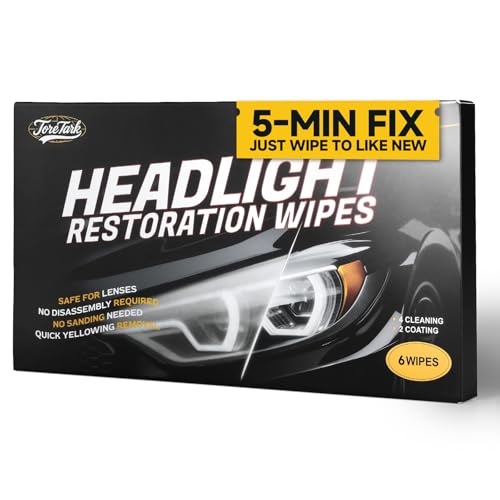
This guide covers both quick wipe-based restorations and deeper sanding kits, so you can match the effort to how bad your lenses are. A five-minute option like the toretark Headlight Restoration Wipes handles light haze, while a full sanding-and-sealing kit such as the 3M Ultra Headlight Restoration Kit brings badly oxidized lenses back to clear.
Our top picks




As an Amazon Associate we earn from qualifying purchases at no extra cost to you. Ratings are shown as listed on Amazon.
⚡ Save on Your Next PC — Amazon Prime
Prime members get fast free shipping on the systems above, plus early access to Prime Day & Black Friday PC deals. New members get a 30-day free trial.
Watch: How to Clean Headlight Lenses for Better Visibility — Video Review
How Headlights Get Cloudy
Modern headlight lenses are polycarbonate plastic with a protective UV coating. Over time, sunlight breaks down that coating, and the exposed plastic oxidizes into a yellow, hazy film. Because the damage is on the surface, removing the oxidized layer and resealing it restores clarity, no new headlight assembly needed.
Assessing the Damage
- Light haze: A faint cloudiness that a cleaning wipe or mild polish can clear.
- Moderate yellowing: Visible discoloration needing a polish kit or light sanding.
- Heavy oxidation: Deep yellow or milky lenses that require wet sanding through multiple grits.
The Quick Wipe Method
For mild to moderate cloudiness, wipe-based kits are the fastest route. The JIUHCORY two-step wipes clean the oxidation and then apply a protective coating in minutes, with no tape or sanding. Clean the lens first, rub the activator wipe until the haze lifts, then seal with the coating wipe. It is ideal for maintenance and lightly hazed lenses.
The Sanding and Sealing Method
Badly oxidized lenses need abrasion. Kits like the 3M Ultra Restoration Kit include masking tape, progressively finer sanding discs, and a wax protectant. Tape off the surrounding paint, wet-sand from coarse to fine grit until the yellowing is gone, then polish and seal. The QIFOR Headlight Restoration Polish Kit follows the same principle for a clear, lasting result.
Protecting Your Work
Whatever method you use, the final sealing step is critical. Bare restored plastic will re-oxidize within weeks if left unprotected. A UV sealant or protective coating, such as the one in the 3M Auto Restore and Protect kit, locks in the clarity and extends the restoration to a year or more.
Tips
- Always tape off paint around the lens before sanding to avoid scuffing your finish.
- Keep the lens and sandpaper wet during wet-sanding to prevent gouging and clogging.
- Work in the shade so the sealant does not flash-dry before it spreads evenly.
- Reapply a protective coating every 6 to 12 months to stop oxidation from returning.
Frequently Asked Questions
How long does headlight restoration last?
A quick wipe restoration may last a few months, while a full sand-and-seal job with a UV protectant can stay clear for a year or more depending on sun exposure.
Can toothpaste really clean headlights?
Toothpaste is mildly abrasive and can lift very light haze, but it does not remove real oxidation or seal the lens. A dedicated kit gives far better, longer-lasting results.
Do I need to sand my headlights?
Only if they are moderately to heavily oxidized. Light cloudiness often clears with a polish or wipe kit; deep yellowing requires wet sanding.
Is restoring safer than replacing?
Restoration is far cheaper and restores most visibility, but if a lens is cracked or has internal moisture, replacement is the safer choice.
Conclusion
Restoring cloudy headlights is one of the highest-impact safety upgrades you can do for a few dollars and an afternoon. Match the method to the damage: wipes for light haze, sanding kits for heavy oxidation. Most importantly, seal your work with a UV protectant so the clarity, and your nighttime visibility, lasts.