Key takeaways
- The dash cam: A compact unit like the Vantrue E1 Lite mounts discreetly behind the mirror.
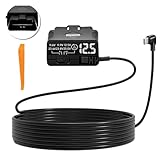
- A hardwire kit: An OBD kit like the Gebildet Dash Cam OBD Hardwire Kit is plug-and-play; a fuse-tap kit like the USB-C Hardwire Kit with acc detection wires into the fuse box.
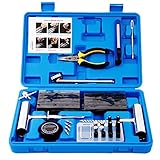
- A trim removal tool: A plastic pry tool tucks the cable behind panels without scratching.
- Low-voltage protection: Kits with adjustable cutoff, like the 4-level USB-C kit, guard your battery in parking mode.
What's inside
Installing a dash cam yourself is far easier than most drivers expect, and doing it right, especially hardwiring for parking mode, saves the recurring cost of a professional install and gives you 24-hour protection. The difference between a cam dangling from a cigarette adapter and a cleanly hardwired one comes down to a single afternoon and the right power kit.
This step-by-step guide covers both the quick plug-in method and the tidier hardwire route that unlocks continuous parking surveillance. You will learn what tools and kits you need, how to route the cable out of sight, and how to tap into your fuse box safely, so your finished install looks factory-clean in 2026.
As an Amazon Associate we earn from qualifying purchases.


⚡ Save on Your Next PC — Amazon Prime
Prime members get fast free shipping on the systems above, plus early access to Prime Day & Black Friday PC deals. New members get a 30-day free trial.
Watch: How to Install a Dash Cam: A Step-by-Step DIY Guide — Video Review
Plug-In vs Hardwire: Which Install to Choose
The simplest install plugs the cam into your 12V socket, which powers it only while the engine runs. Hardwiring, using a kit like the ROVE Ultimate Dash Cam Hardwire Kit or an OBD power cable, taps your fuse box or OBD port so the cam can keep recording in parking mode when the car is off. Hardwire kits include low-voltage protection that shuts the cam down before it drains your battery, making 24-hour monitoring safe.
What You Will Need
- The dash cam: A compact unit like the Vantrue E1 Lite mounts discreetly behind the mirror.
- A hardwire kit: An OBD kit like the Gebildet Dash Cam OBD Hardwire Kit is plug-and-play; a fuse-tap kit like the USB-C Hardwire Kit with acc detection wires into the fuse box.
- A trim removal tool: A plastic pry tool tucks the cable behind panels without scratching.
- Low-voltage protection: Kits with adjustable cutoff, like the 4-level USB-C kit, guard your battery in parking mode.
Step-by-Step Installation
First, position the camera behind the rearview mirror and clean the glass before pressing the adhesive mount. Second, tuck the power cable up into the headliner and down the A-pillar, using a pry tool to hide it behind the trim. Third, route the cable along the door weatherstripping toward the fuse box or OBD port. Fourth, connect an OBD kit by simply plugging into the OBD-II port, or wire a fuse-tap kit to a switched and constant fuse with a ground. Finally, set your low-voltage cutoff and test both drive and parking modes.
Setting Up Parking Mode Safely
Parking mode is the reason to hardwire, but it relies on not killing your battery. Kits with acc detection, like the OBD Dash Cam Power Cable with 4-level low-voltage protection, sense when the engine is off and monitor voltage, cutting power at your chosen threshold. Set the cutoff higher if your car sits for days, lower if you drive daily, so the cam records as long as possible without leaving you with a no-start.
Tips
- Choose an OBD kit for the easiest install: It plugs in without wiring, ideal if you are nervous about the fuse box.
- Clean the glass thoroughly: Adhesive mounts fail on dusty or greasy windshields, so wipe with alcohol first.
- Leave slack at the camera: A small cable loop makes future adjustments easier.
- Test before buttoning up: Confirm both recording modes work before pushing all the trim back into place.
Frequently Asked Questions
Do I need to hardwire a dash cam?
Only if you want parking mode. A simple 12V plug-in powers the cam while driving, but hardwiring or an OBD kit is required for continuous recording when the car is off.
Will a hardwired dash cam drain my battery?
Not if the kit has low-voltage protection. Kits with adjustable cutoff monitor your battery and shut the cam down before it discharges enough to prevent a start.
Is an OBD kit better than a fuse tap?
OBD kits are far easier since they plug straight into the port with no wiring. Fuse taps are cleaner and more permanent but require locating the right fuses and a ground.
How long does a DIY dash cam install take?
A plug-in setup takes minutes, while a full hardwire with cable routing usually takes an afternoon. An OBD kit shortens the hardwire job considerably.
Conclusion
Installing a dash cam yourself is a satisfying afternoon project that saves professional install fees and, with a proper hardwire kit, adds round-the-clock parking protection. Choose a plug-and-play OBD kit if you want the simplest path, wire into the fuse box for the cleanest look, and always set a low-voltage cutoff to protect your battery. Do it once and you will have silent evidence on every drive.