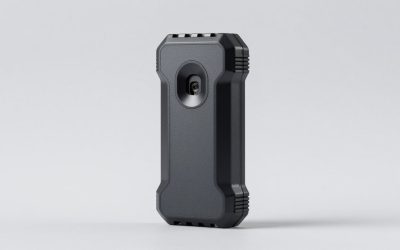
Shopping for a portable air compressor can quickly become overwhelming with the vast array of features, power ratings, and price points flooding the market. Whether you are prepping your daily commuter vehicle or outfitting an off-road recovery kit for 2026, finding the right tool requires looking past marketing hype and focusing on the core engineering elements that dictate real-world performance. A reliable cordless tire inflator is more than just a roadside convenience; it is an essential piece of automotive safety equipment that needs to function flawlessly when environmental conditions are far from ideal.
Too many motorists purchase an inflator based entirely on compact size or a low price tag, only to discover it struggles to top off a single low passenger car tire before overheating or depleting its battery. To avoid buyer’s remorse, you must evaluate how a unit handles sustained pressure, battery architecture, and thermal regulation. This guide breaks down the critical specifications and features that truly matter so you can select a dependable inflator tailored to your specific driving habits and vehicle requirements.
As an Amazon Associate we earn from qualifying purchases at no extra cost to you.

Understanding PSI Ratings and Pressure Needs
Every tire inflator manufacturer highlights a maximum PSI rating on the box, but this metric is often misunderstood. While many consumer units boast capabilities up to 150 PSI or higher, what truly matters is the volume of air the pump can move—measured in cubic feet per minute (CFM) or liters per minute (LPM)—at the specific pressure range your tires require. Passenger cars typically operate between 32 and 36 PSI, while light trucks and towing trailers may require 50 to 80 PSI. A unit that reaches high maximum pressures does not necessarily inflate standard tires quickly. Always look for performance metrics detailing how fast the inflator moves air from zero to standard operating pressure rather than focusing solely on the maximum ceiling.
Battery Chemistry and Capacity Demands
The transition to lithium-ion battery technology has revolutionized portable automotive tools, offering high energy density and minimal self-discharge. However, battery capacity—typically measured in amp-hours (Ah)—directly dictates how many tires you can service on a single charge. Smaller internal batteries might manage a quick top-off for a bicycle or a single low car tire, but a multi-vehicle household or a driver tackling larger SUV tires needs significantly more reserve power. Furthermore, consider whether the inflator uses a proprietary built-in battery pack or integrates with the power tool ecosystem you already own. Utilizing interchangeable power tool batteries can save money and ensure you always have a fresh, compatible power source ready in your garage.
Duty Cycle and Thermal Management
Pumping air generates immense friction and heat, making thermal management one of the most critical yet overlooked factors in inflator selection. Duty cycle refers to the percentage of time a device can run continuously before requiring a mandatory cooling period. Budget inflators often feature short duty cycles, meaning they must be shut down every few minutes to prevent internal motor burnout or melting plastic components. If you drive a larger vehicle with high-volume tires, or if you regularly adjust pressures when transitioning from highway to trail, you need a heavy-duty model featuring robust cooling fins, internal cooling fans, or a continuous-run duty cycle designed to handle extended inflation tasks without failure.
Digital Displays and Auto-Shutoff Precision
Gone are the days of guessing tire pressure by tapping a mechanical gauge while tethered to a noisy compressor. Modern cordless inflators rely heavily on digital manometers with programmable auto-shutoff capabilities. This feature allows you to dial in your target pressure, press start, and walk away safely while the unit stops automatically the exact moment the threshold is met. When evaluating units, check the accuracy and readability of the screen. Backlit digital displays that remain legible in direct sunlight or total darkness are essential, and the pressure sensor should calibrate accurately to prevent over-inflation or under-inflation caused by cheap internal pressure chips.
Hose Length, Fittings, and Physical Durability
A portable inflator is only as good as its physical touchpoints. Short, rigid hoses make connecting to awkward valve stems hidden behind wheel spokes a frustrating experience. Look for units that feature flexible, braided hoses of adequate length to reduce strain on the valve core. Additionally, examine the quality of the chuck. Screw-on brass chucks create a secure, airtight seal that prevents pressure loss during disconnection, whereas quick-connect lever chucks offer speed but can leak if worn out. The outer housing should feature impact-resistant rubber bumpers or reinforced polymer construction capable of surviving accidental drops on concrete or rough asphalt.
Multi-Power Options and Emergency Backup
Even the highest-capacity lithium-ion battery will eventually degrade or discharge if left neglected in a trunk through freezing winter temperatures. The most versatile cordless inflators offer a dual-power design, allowing them to operate via their internal rechargeable battery or plug directly into a standard 12V auxiliary power outlet (cigarette lighter port) inside your vehicle. Having this fail-safe corded backup ensures that even if you forget to charge the device ahead of time, you are never stranded with a dead inflator when an emergency flat tire occurs on a remote roadside.
Related Guides
To explore specific product recommendations that have undergone rigorous bench and field testing, consult our comprehensive Best Cordless Tire Inflators in 2026: Compared and Ranked roundup. For specialized maintenance setups involving temperature-stable inflation gas, you can also review our insights in the Best Nitrogen Tire Inflators in 2026: Compared and Ranked guide.
FAQ
Can a cordless tire inflator completely inflate a totally flat tire?
Yes, most quality cordless units can inflate a completely flat passenger car tire from zero PSI, but it will consume a significant portion of the battery and take several minutes. For larger truck or SUV tires, a single flat may deplete a standard compact inflator battery entirely before reaching full capacity.
How do extreme temperatures affect cordless inflator batteries?
Extreme cold drastically reduces the immediate discharge capacity and output power of lithium-ion batteries, while excessive heat can trigger internal thermal protection shutdowns. It is always best to store your portable inflator inside the vehicle cabin rather than an unheated trunk during severe weather.
Do I need to check the pressure with a separate gauge after using an auto-shutoff inflator?
While high-end digital inflators feature factory-calibrated pressure sensors that are remarkably accurate, it is still good practice to verify your tire pressure periodically with a dedicated handheld analog or digital gauge for ultimate safety assurance.
How often should I charge my portable tire inflator battery?
Lithium-ion batteries slowly lose their charge over time even when not in use. To ensure your emergency tool is always ready when called upon, check the battery indicator lights and top off the charge every three to six months.