Key takeaways
- Grade: Match the clay aggressiveness to your paint condition. Fine grade suits well-maintained vehicles with light contamination, medium grade handles most daily drivers, and heavy grade tackles severe overspray or industrial fallout but carries higher risk of marring.
- Lubrication: Never use clay dry. Some kits include a dedicated synthetic lubricant, while others rely on a quick detailer spray or soapy water. Adequate lubrication prevents the clay from abriving the clear coat and ensures contaminants lift rather than scratch.
- Format: Traditional clay bars offer maximum conformability and are easily remolded to expose a clean surface. Clay towels and sponges cover more area faster and are reusable, but they require careful technique to avoid trapping particles that could induce scratches.
- Reusability: Standard clay bars typically last for three to four vehicles before becoming too contaminated to reuse safely. Synthetic clay towels and sponges can last significantly longer with proper cleaning, making them more economical for frequent detailers.
- Surface Compatibility: Confirm the product is safe for all intended surfaces, including paint, glass, and plastic moldings. Some heavy-grade options are paint-only, while finer grades can safely decontaminate windshields and trim without causing haze or damage.
What's inside
Even a freshly washed car can hide thousands of microscopic contaminants embedded in the clear coat. Rail dust, industrial fallout, brake dust, tree sap, and airborne pollutants bond to paint over time, creating a rough texture that regular car wash soap cannot remove. Left untreated, these contaminants trap moisture and pollutants against the surface, accelerating oxidation and dulling the finish. For anyone serious about paint correction, protection, or simply maintaining a showroom-quality appearance, mechanical decontamination is a non-negotiable step in the detailing process.
This guide covers the best clay bars and clay alternatives for automotive paint decontamination, including traditional bars, synthetic lubricants, clay towels, and reusable clay sponges. We evaluated each option on aggressiveness, ease of use, durability, and value to help you choose the right tool for your paint condition and experience level. Whether you are a weekend warrior prepping for a ceramic coating or a professional detailer tackling heavy overspray, these selections will help you achieve that glass-smooth finish.
As an Amazon Associate we earn from qualifying purchases.



🛒 Best Price Today on Amazon
Prime members get fast, free shipping on everything above, plus member-only deals. New members get a 30-day free trial — cancel anytime.
How to Choose a Clay Bar for Paint Decontamination
- Grade: Match the clay aggressiveness to your paint condition. Fine grade suits well-maintained vehicles with light contamination, medium grade handles most daily drivers, and heavy grade tackles severe overspray or industrial fallout but carries higher risk of marring.
- Lubrication: Never use clay dry. Some kits include a dedicated synthetic lubricant, while others rely on a quick detailer spray or soapy water. Adequate lubrication prevents the clay from abriving the clear coat and ensures contaminants lift rather than scratch.
- Format: Traditional clay bars offer maximum conformability and are easily remolded to expose a clean surface. Clay towels and sponges cover more area faster and are reusable, but they require careful technique to avoid trapping particles that could induce scratches.
- Reusability: Standard clay bars typically last for three to four vehicles before becoming too contaminated to reuse safely. Synthetic clay towels and sponges can last significantly longer with proper cleaning, making them more economical for frequent detailers.
- Surface Compatibility: Confirm the product is safe for all intended surfaces, including paint, glass, and plastic moldings. Some heavy-grade options are paint-only, while finer grades can safely decontaminate windshields and trim without causing haze or damage.
The Best Clay Bars for Paint Decontaminations Reviewed
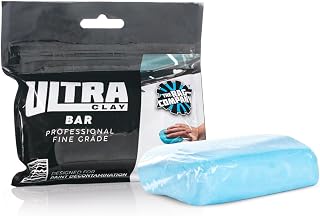
The Rag Company Ultra Clay Bar
This medium-grade clay bar delivers excellent decontamination performance across paint, glass, and moldings. The Rag Company’s formulation strikes an ideal balance between aggressiveness and safety, making it a reliable choice for detailers who want consistent results on daily drivers without excessive marring risk.
Mothers California Gold Clay Bar Kit
Mothers California Gold kit includes three 80-gram clay bars, offering outstanding value for multiple full-vehicle treatments. It effectively removes embedded contaminants and restores smoothness, making it a proven, beginner-friendly option for anyone new to paint decontamination.
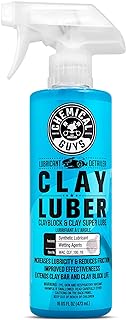
Chemical Guys Clay Luber
This synthetic lubricant is purpose-built for use with clay bars, blocks, and wash mitts. Chemical Guys Clay Luber provides a slick, consistent surface that minimizes friction and scratching, and it works equally well as a standalone spray for light maintenance wiping.
Chemical Guys Clay Bar and Luber Combo Kit
This six-piece combo kit pairs a medium-grade clay bar with a dedicated lubricant, streamlining the decontamination process. It is an excellent all-in-one solution for detailers who want a matched system to lift overspray and embedded grime before polishing or waxing.
P&S Reset Clay Decontamination Towel
This fine-grade clay towel offers a faster, more durable alternative to traditional clay bars. The P&S Reset towel efficiently removes fallout, overspray, and rail dust while enhancing gloss and sealant adhesion, making it ideal for detailers who frequently prep vehicles for coatings.
Frequently Asked Questions
How often should I clay bar my car?
Most vehicles benefit from clay bar treatment every six to twelve months, depending on storage conditions and driving habits. Run your hand inside a plastic bag over the paint; if it feels gritty, it is time to decontaminate.
Can a clay bar scratch my paint?
Yes, improper technique or insufficient lubrication can cause fine marring. Always use plenty of lubricant, work in straight lines, and frequently fold the clay to expose a clean surface and trap removed contaminants inside.
What is the difference between a clay bar and a clay towel?
Traditional clay bars are softer, conformable, and easily remolded to expose fresh clay. Clay towels embed clay onto a microfiber or polymer backing, covering more area faster and lasting longer, but they require careful cleaning and technique to avoid scratching.
Should I clay before or after washing?
Clay immediately after a thorough wash while the paint is still wet and clean. This minimizes the amount of loose dirt the clay must pick up and reduces the risk of rubbing surface grit into the clear coat.
Final Thoughts
For most detailers, the Mothers California Gold kit offers unbeatable value and proven performance across multiple vehicles. The Rag Company Ultra Clay Bar is our top pick for balanced aggressiveness and surface safety, while the P&S Reset Clay Towel is the best upgrade for frequent detailers who want speed and reusability without sacrificing decontamination quality.