Key takeaways
- Tape off plastic trim and badges, since compound stains textured plastic and is hard to remove.
- Keep the pad flat and let the machine’s weight provide the pressure; leaning in causes heat and holograms.
- Clean or swap your pad often, as a clogged pad reduces cutting and can mar the finish.
- Test your pad-and-product combo on an inconspicuous panel first to confirm the result before doing the whole car.
What's inside
There is a moment every car enthusiast remembers: the first time a machine polisher erases years of swirl marks and reveals paint so glossy it looks wet. That professional-level finish is entirely achievable at home, but a polisher is also the fastest way to burn through your clear coat if you rush in without understanding the basics. The difference between a mirror shine and an expensive mistake is technique, and technique can be learned in an afternoon.
This guide walks you through choosing the right polisher, selecting pads and compounds, and using proper machine technique for a safe, flawless result. Whether you pick a forgiving dual-action machine or a more powerful rotary, the fundamentals below will help you polish with confidence.
As an Amazon Associate we earn from qualifying purchases.




⚡ Save on Your Next PC — Amazon Prime
Prime members get fast free shipping on the systems above, plus early access to Prime Day & Black Friday PC deals. New members get a 30-day free trial.
Watch: How to Use a Car Polisher for a Professional Finish — Video Review
Dual-Action vs Rotary Polishers
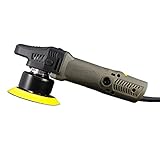
For nearly everyone, a dual-action (DA) polisher is the right choice. Machines like the Chemical Guys TORQX Random Orbital Polisher or the AOBEN 6-inch Dual Action Polisher oscillate as they spin, which spreads heat and makes them very hard to damage paint with. Rotary polishers such as the SEESII 1600W Rotary Buffer cut faster and are what pros use for heavy correction, but they generate more heat and demand experience. Beginners should start with a DA.
Choosing Pads and Compounds
The pad and product combination determines how aggressive the polish is. Cutting pads with a compound remove deeper scratches, while softer polishing and finishing pads with a fine polish like Meguiar’s M205 Ultra Finishing Polish refine the surface to a high gloss. Always start with the least aggressive combination that will do the job, and step up only if needed. A cordless option like the Niusken Cordless Car Buffer Polisher adds convenience for reaching all panels.
Proper Machine Technique
Work on a clean, dry panel in the shade. Apply a few pea-sized dots of product to the pad, spread it across a two-foot-square section on low speed, then increase to working speed and move slowly in overlapping horizontal and vertical passes. Keep the pad flat, let the machine do the work without pressing hard, and make four to six passes per section before wiping the residue with a clean microfiber to inspect your result.
Sealing In Your Work
Polishing removes a microscopic layer of clear coat to level defects, which leaves the fresh paint unprotected. Always follow polishing with a wax or sealant to lock in the shine and shield it. For enthusiasts who want the longest-lasting finish, a one-step protectant like Nu Finish The Once A Year Car Polish can maintain gloss between full corrections.
Tips
- Tape off plastic trim and badges, since compound stains textured plastic and is hard to remove.
- Keep the pad flat and let the machine’s weight provide the pressure; leaning in causes heat and holograms.
- Clean or swap your pad often, as a clogged pad reduces cutting and can mar the finish.
- Test your pad-and-product combo on an inconspicuous panel first to confirm the result before doing the whole car.
Frequently Asked Questions
Can a beginner use a car polisher safely?
Yes, if you start with a dual-action polisher. Their oscillating motion makes them very difficult to damage paint with, unlike rotary machines. Begin with a mild pad and polish and build confidence from there.
How often should I polish my car?
Machine polishing removes a thin layer of clear coat, so it should be done sparingly, perhaps once or twice a year at most. Between polishes, protect the finish with wax and rely on light-duty products for maintenance.
Do I need different pads for cutting and finishing?
Ideally yes. A firmer cutting pad with compound removes defects, and a softer finishing pad with fine polish refines the gloss. Using the right pad for each stage gives a cleaner, hologram-free result.
What do I do after polishing?
Always seal the paint with a wax or sealant. Polishing strips protection along with the defects, so the fresh surface must be protected immediately to keep it glossy and shielded from the elements.
Conclusion
A professional finish is within reach of any patient DIYer. Start with a forgiving dual-action polisher like the Chemical Guys TORQX or AOBEN, choose the least aggressive pad and polish that works, and let the machine do the labor with flat, slow, overlapping passes. Finish by sealing your work, and you will enjoy a mirror shine that rivals any detail shop.