When you are buried up to the frame in thick Georgia red clay or dangling precariously on a shelf road, your winch is only half the equation. A quality snatch block is arguably the most critical piece of recovery hardware in your rig, capable of doubling your pulling power, changing your pull angle, and saving your winch motor from thermal overload. However, browsing the market reveals a dizzying array of pulleys, rings, and heavy-duty blocks that all claim to be the ultimate recovery companion, making it difficult to separate marketing hype from genuine utility.
Choosing the right snatch block isn’t just about picking a random pulley that matches your cable size; it requires a calculated understanding of physics, metallurgy, and your specific vehicle recovery needs. Selecting the wrong block can lead to catastrophic cable failure, damaged sheaves, or a snapped shackle that turns your recovery gear into a dangerous projectile. To help you navigate the options available on the market for 2026, we have broken down the core specifications, materials, and design features that actually matter when your truck’s safety is on the line.
As an Amazon Associate we earn from qualifying purchases at no extra cost to you.
Working Load Limit Versus Minimum Breaking Strength
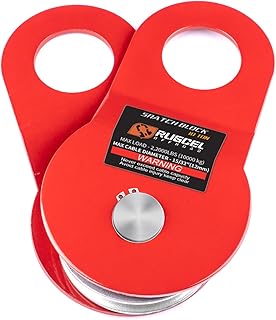
The single most important metric when evaluating any recovery gear is the Working Load Limit (WLL). Manufacturers often plaster the Minimum Breaking Strength (MBS) all over the packaging because the numbers are much higher and sound more impressive. However, MBS is the point at which the hardware physically breaks during laboratory testing, whereas the WLL is the maximum load the block should ever experience in the real world.
As a golden rule in recovery rigging, your snatch block’s WLL should comfortably exceed the maximum pulling capacity of your winch. Because running a line through a single snatch block in a double-line pull effectively doubles the load on the anchor point and the block itself, under-speccing this component is a dangerous gamble. Always look for stamped or forged ratings rather than painted-on stickers that easily scratch off on the trail.
Sheave Diameter and Cable Compatibility
The groove in the center of the pulley wheel, known as the sheave, must match your winch line type and thickness. Using a steel wire rope on a sheave designed exclusively for synthetic rope can cause severe pinching, friction burns, and premature fraying of expensive synthetic fibers. Conversely, running thick wire rope through a narrow, tight aluminum sheave can crimp the steel strands and ruin the structural integrity of your cable.
Beyond the line type, the diameter of the sheave matters immensely for the longevity of your winch line. A general industry standard dictates that the sheave diameter should be at least ten to twelve times the diameter of your winch rope. Tight, sharp bends force the individual strands of wire or synthetic fibers to work overtime, generating internal friction that weakens the line over every single recovery cycle.
Material Matters: Forged Steel Versus Lightweight Aluminum
Snatch blocks generally fall into two material categories: heavy-duty forged steel and lightweight anodized aluminum. Steel blocks are traditionally favored for extreme off-road abuse because they resist scoring, tolerate grit and sand contamination remarkably well, and generally offer higher overall load ratings for the same physical footprint. They are heavy, but that weight helps them drop straight down when rigging a line.
Aluminum snatch blocks, on the other hand, have evolved significantly. Modern high-grade aluminum blocks paired with synthetic lines offer incredible weight savings, making them much easier to handle when you are knee-deep in mud or snow. However, aluminum is softer than steel. If you use an aluminum block with abrasive steel cable, the wire will eventually chew deep grooves into the sheave, rendering the block unsafe and forcing an early replacement.
Bushing Versus Bearing Systems
Inside the hub of the snatch block, you will find either a plain bushing (often brass or oil-impregnated bronze) or a sealed ball/roller bearing system. Bushings are simple, rugged, and virtually impervious to fine dirt and sand. They handle high static loads exceptionally well, which is precisely what you need during a slow, heavy vehicle recovery.
Bearings offer much smoother rotation and reduce friction, which results in faster line speeds and less heat generation during long, continuous pulls. However, sealed bearings can fail prematurely if fine silt penetrates the seals under deep water crossings or muddy winch pulls. If you primarily do slow, heavy rock crawling recoveries, a bronze bushing is usually the more reliable, maintenance-free choice.
Sizing Your Block to Your Winch Capacity
Matching your snatch block to your winch line pull rating is a straightforward mathematical exercise that many off-roaders miscalculate. If you run a standard ten-thousand-pound winch, a basic physics principle applies: doubling the line back to your vehicle doubles the pulling force at the winch drum, but it also doubles the strain on the anchor point, tree saver, shackle, and the snatch block itself.
Therefore, your rigging components must be rated for double the capacity of your winch, not just the winch’s base rating. Buying a massive twenty-thousand-pound snatch block for a lightweight UTV is unnecessary dead weight, but trying to save space by using a light-duty block on a heavy full-size diesel truck is a recipe for a trailside disaster.
Side-Plate Design and Ease of Rigging
When you are freezing cold, tired, and trying to rig a recovery line quickly, the last thing you want to fight is a complicated mechanical assembly. Traditional snatch blocks feature swing-away side plates that pivot on a central pin, allowing you to drop the winch line directly into the sheave groove without feeding the entire length of the cable through from the end.
Inspect the locking mechanism on the side plates carefully. Look for heavy-duty linchpins, threaded bolts, or spring-loaded detents that cannot accidentally vibrate or slide open while tension is applied to the line. A poorly designed side plate can slip open mid-pull, destroying the block and potentially whipping the line into the side of your vehicle.
When It Makes Sense to Spend More
Budget recovery kits often include a cheap snatch block bundled with generic tree straps and soft shackles. While these kits look tempting on a shelf, ultra-cheap blocks frequently suffer from poor quality control, unverified load ratings, and rough casting seams that slice into winch ropes.
Investing in a premium snatch block from a reputable off-road manufacturer buys you peace of mind, traceable metallurgical testing, high-visibility powder coating that is easy to spot in the dirt, and grease zerks for proper long-term maintenance. When you are miles away from civilization, paying extra for certified safety margins and bulletproof reliability is always money well spent.
Related Guides
To round out your recovery setup with top-performing gear, check out our recommendations in our guide to the best snatch blocks.
FAQ
Can I use a snatch block with synthetic winch rope?
Yes, but you must ensure the sheave surface is smooth and free of sharp burrs or deep gouges left behind by previous steel cable use. Using synthetic line on a damaged or abrasive steel-optimized block will quickly shred the fibers and ruin your rope.
How do I maintain my snatch block after a muddy recovery?
Rinse the block thoroughly with clean water to remove all grit, sand, and clay from the sheave and side plates. If your block features a grease zerk fitting, pump fresh marine-grade grease into the hub to push out any contaminated moisture.
Does a snatch block double my winch speed?
No, a snatch block actually cuts your line speed in half because the winch drum has to pull twice as much physical rope through the system to move the vehicle the same distance. It trades speed for mechanical advantage and raw pulling power.
What size shackle should I use with my snatch block?
You should always match your bow shackles to the physical attachment hole of the snatch block and ensure the Working Load Limit of the shackle matches or exceeds the block’s rating. Typically, a three-quarter-inch D-ring shackle is the standard baseline for heavy-duty off-road recovery applications.