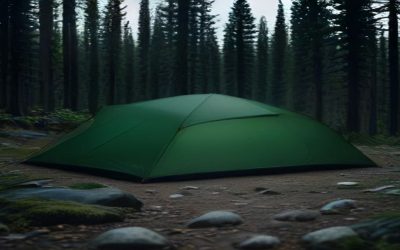
Key takeaways
- The best pop up tents are the Quechua 2 Seconds Easy for solo or couple camping, the Coleman 4-Person Pop-Up Tent for low-cost sleeping space, and the Gazelle T4 Hub for the fastest roomy setup; for events, choose a 10-by-10-foot…
The best pop up tents are the Quechua 2 Seconds Easy for solo or couple camping, the Coleman 4-Person Pop-Up Tent for low-cost sleeping space, and the Gazelle T4 Hub for the fastest roomy setup; for events, choose a 10-by-10-foot commercial-style canopy instead of a camping tent.
Our top picks

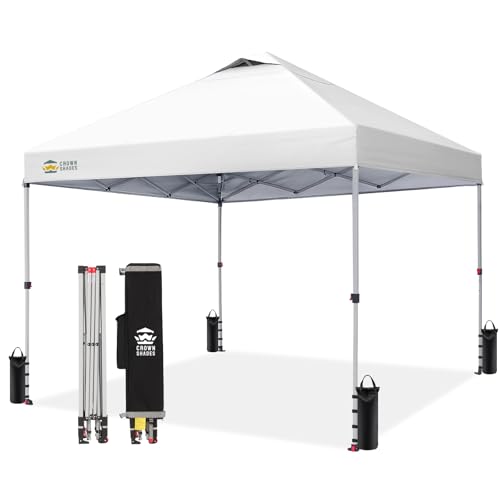
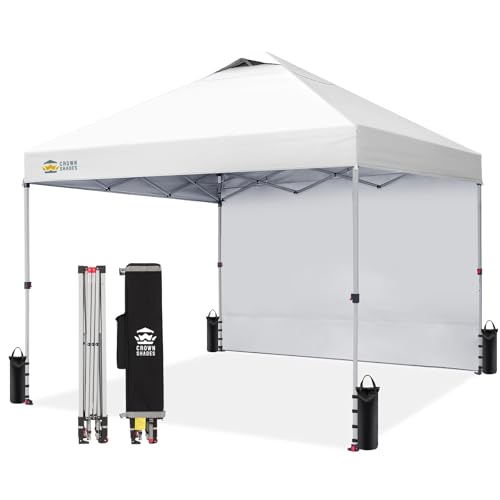
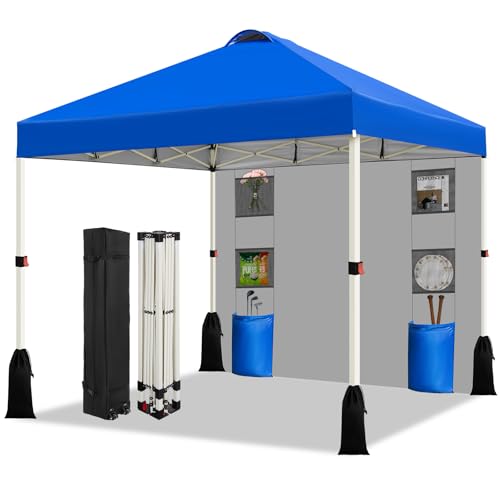
As an Amazon Associate we earn from qualifying purchases at no extra cost to you. Ratings are shown as listed on Amazon.
Best pop up tents at a glance
| Shelter | Best for | Approx. setup | Floor area | Packed size and weight | Weather and ventilation |
|---|---|---|---|---|---|
| Quechua 2 Seconds Easy Fresh & Black 2P | One or two people, frequent short trips | About 1 minute | Approximately 32 sq. ft. (210 x 140 cm) | About 23 x 6 x 6 in.; roughly 7.5–8 lb | Darkened fabric, rainfly, low profile, adjustable vents |
| Coleman 4-Person Pop-Up Tent | Budget camping and occasional use | About 10 seconds to open; longer to stake | Approximately 54 sq. ft. (8 x 7 ft.) | About 30 x 6 in.; roughly 8–9 lb | Rainfly and taped seams; mesh panels improve airflow |
| Gazelle T4 Hub Tent | Families wanting near-instant setup and standing room | About 90 seconds | Approximately 73 sq. ft. (78 x 94 in.) | About 63 x 11 x 11 in.; roughly 30 lb | Removable rainfly, large windows, strong ventilation |
| 10 x 10 commercial-style pop-up canopy | Tailgates, markets, parties and event shade | About 2–5 minutes with two people | 100 sq. ft. | About 60 x 10 x 10 in.; roughly 25–45 lb | Excellent shade; sidewalls and anchoring are needed for rain and wind |
Dimensions and weights are approximate manufacturer figures and can vary by fabric version, region and included accessories. A canopy is included because “pop up tent” often refers to event shelters, but it is not a substitute for an enclosed camping tent.
Which pop up tent should you buy?
| Your situation | Best choice | Why | Main compromise |
|---|---|---|---|
| Backpacking or limited car space | Quechua 2 Seconds Easy 2P | Small packed bundle, quick pitching and manageable weight | Low headroom and limited interior storage |
| Lowest reasonable cost | Coleman 4-Person Pop-Up | More floor space for the money and simple construction | Folding it correctly takes practice |
| Frequent car camping | Gazelle T4 Hub | Near-standing height, large doors and very fast setup | Bulky and heavy when packed |
| Outdoor event or trade stall | 10 x 10 commercial-style canopy | 100 sq. ft. of usable shade and open access on all sides | Needs serious weights and is not a sleeping shelter |
Head-to-head: what you gain and give up
Fastest setup: small two-person tents
The Quechua 2 Seconds Easy is the strongest choice when setup time matters more than room. Its preconnected frame opens quickly, and the low profile reduces the amount of fabric that must be tensioned. It is well suited to festivals, overnight stops and campsites where you arrive late.
The Coleman Pop-Up is similarly fast to unfold, but its larger circular packed shape can be awkward in a small trunk. It offers more sleeping area than the Quechua, making it a better value for two adults who do not need to sit upright indoors. Both designs still require stakes, guy lines and sensible site selection. “Pop up” means the frame deploys quickly; it does not mean the shelter is ready for severe weather without anchoring.
Best headroom: hub-style tents
The Gazelle T4 Hub is much more comfortable for changing clothes, organizing gear and waiting out a shower. Its near-standing interior and tall door are the practical advantages that product listings often understate. Four people can sleep inside, although four adults with luggage will find the space tight. Two adults have a much more livable arrangement.
The cost of that comfort is portability. A roughly 30-pound packed tent is manageable from a vehicle to a nearby pitch, but it is unsuitable for carrying long distances. The long carry bag also requires more careful storage than a compact dome tent.
Best for events: canopies
A 10-by-10-foot canopy provides 100 square feet of shade, enough for a folding table, two chairs and standing guests. Its straight-leg frame usually sets up faster than a full enclosed event tent, especially with two people. Add a roof vent, zip-on sidewalls and a roller bag if the shelter will be used repeatedly.
Canopies need more anchoring than many buyers expect. A 10-by-10 roof can act like a sail, and the supplied stakes may be inadequate on hard or loose ground. Use manufacturer-approved leg weights, secure every corner and take the canopy down when strong winds or thunderstorms are approaching. Never use a lightweight recreational canopy as an overnight shelter.
Weather protection, ventilation and livability
For rain, examine the complete system rather than the word “waterproof.” A useful pop up camping tent should have a separate rainfly or a well-designed waterproof outer shell, protected seams, a bathtub-style floor and rain-resistant doors. The floor should extend several inches up the sidewalls so runoff cannot easily enter at ground level.
Small tents often become uncomfortable from condensation before they actually leak. Keep mesh vents open when conditions allow, avoid drying wet clothing inside, and leave space between sleeping bags and the walls. Darkened fabrics can make a tent cooler and darker for daytime rest, but they do not replace ventilation.
For hot weather, prioritize opposing vents or windows on at least two sides. The Gazelle’s large mesh openings provide better cross-breezes than a low two-person pop-up. In exchange, its higher walls and larger footprint expose more fabric to wind, so it needs careful staking and guying.
Worked sizing: how much floor area do you really need?
Start with the footprint of the sleeping pads, not the advertised person count. A regular camping pad is commonly about 20 by 72 inches, or 10 square feet. Two pads therefore require roughly 20 square feet before allowing room for bags, shoes and door access.
A 32-square-foot two-person tent leaves about 12 square feet for shared gear, which is workable if bulky luggage stays in the car. A 54-square-foot four-person tent provides about 34 square feet beyond four nominal sleeping spaces, but four adults will still have little personal storage. For comfortable car camping, size up by one person: use a four-person model for two adults, or a six-person model for four.
Setup and packing: the step people skip
- Choose high, level ground. Avoid depressions where rainwater can collect, and clear sharp stones before unfolding the floor.
- Orient the door away from prevailing wind. This reduces pressure on the opening and improves comfort during showers.
- Open the frame fully before staking. A partially deployed pop-up tent can put uneven stress on hubs and poles.
- Attach the rainfly and guy lines. Keep the fly separated from the inner tent where the design allows; this improves airflow and reduces condensation.
- Stake every corner. Fast setup is not complete until the floor is tensioned and the shelter is anchored.
- Dry it before folding. If rain prevents drying at camp, unpack it at home within 24 hours and hang it until completely dry.
- Follow the folding sequence exactly. Most failures blamed on the frame result from forcing a twist in the wrong direction or trapping fabric in a hinge.
Practice the folding process once at home. The opening motion is usually intuitive; the repacking motion is where first-time owners lose time and bend poles.
Durability and ownership costs
Expect general-market prices of roughly $70–$150 for a basic two- to four-person pop-up camping tent, $250–$450 for a larger hub-style tent, and $100–$300 for a reinforced 10-by-10 canopy before premium sidewalls and weights. The cheapest option can be economical for occasional use, but repeated setup stresses hubs, elastic components, zippers and seam tape.
The floor usually shows wear first. Use a footprint or groundsheet that is slightly smaller than the tent floor so it does not collect rain underneath. Do not drag a deployed tent across gravel. Clean mud with water and a soft brush, avoid household detergents that can affect coatings, and store the shelter loosely folded if the manufacturer permits.
Replacement stakes, guy lines, pole clips and rainfly components are more useful than cosmetic accessories. Check zippers for grit, inspect seams at the beginning of each season and retire a shelter when waterproof coating is flaking or the frame no longer locks securely.
Final verdict
Choose the Quechua 2 Seconds Easy if compactness and a one-minute pitch are the priority. Choose the Coleman Pop-Up when you want more floor area at a lower general-market price and will use the tent occasionally. Choose the Gazelle T4 Hub for the best combination of speed, headroom and car-camping comfort. For fairs, tailgates and parties, buy a properly weighted 10-by-10 canopy rather than trying to make a camping tent serve as an event shelter.