
Key takeaways
- Power output: Electric models typically run 250–1,000 watts; gas models run 40–49cc making roughly 2–4 hp. Anything under 350W struggles above 120 lbs of rider.
- Weight limit vs. real weight: Manufacturers quote optimistic limits. Subtract about 15% for a realistic ceiling — a “170 lb limit” bike handles a ~145 lb rider comfortably.
- Brakes: Disc brakes front and rear are the baseline for gas models and faster electrics. Many budget electrics use a single rear band brake, which fades quickly with heavier riders.
- Run time or range: Electrics deliver 30–60 minutes per charge; a gas bike’s half-to-one-liter tank runs 25–40 miles depending on throttle discipline.
- Frame and fasteners: Welded steel frames are standard; what varies is weld quality and whether the fairing bolts are metal-thread inserts or screws into plastic — the latter strip within months.
The best pocket bikes for most buyers in 2026 are 36V–48V electric models for teens and casual driveway fun, and 40–49cc two-stroke or four-stroke gas models for adults who want real track pace — the right pick depends almost entirely on rider weight, where you’ll ride, and how much maintenance you’ll tolerate.
Our top picks
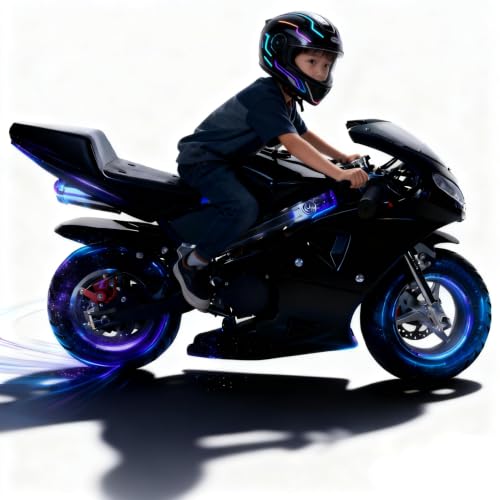
![pofluany 50CC Mini Motorcycle for Adults [Mini Size], 4-Stroke Pocket Bike](https://m.media-amazon.com/images/I/41SjSv-cWkL._SL500_.jpg)


As an Amazon Associate we earn from qualifying purchases at no extra cost to you. Ratings are shown as listed on Amazon.
What Separates a Good Pocket Bike from a Toy
Pocket bikes sit on roughly 10-inch wheels, run 24–48 inches long, and put the rider’s knees at handlebar height. That geometry is fun but unforgiving, so the spec sheet matters more here than on a full-size bike. The five criteria that actually predict satisfaction:
- Power output: Electric models typically run 250–1,000 watts; gas models run 40–49cc making roughly 2–4 hp. Anything under 350W struggles above 120 lbs of rider.
- Weight limit vs. real weight: Manufacturers quote optimistic limits. Subtract about 15% for a realistic ceiling — a “170 lb limit” bike handles a ~145 lb rider comfortably.
- Brakes: Disc brakes front and rear are the baseline for gas models and faster electrics. Many budget electrics use a single rear band brake, which fades quickly with heavier riders.
- Run time or range: Electrics deliver 30–60 minutes per charge; a gas bike’s half-to-one-liter tank runs 25–40 miles depending on throttle discipline.
- Frame and fasteners: Welded steel frames are standard; what varies is weld quality and whether the fairing bolts are metal-thread inserts or screws into plastic — the latter strip within months.
Top Picks by Riding Situation
Best for teens and first-timers: Razor Pocket Rocket–style electric (36V, ~500W)
The long-running formula here is a steel frame, chain drive, twist throttle, and a single rear brake, good for about 15 mph and 30–40 minutes of riding per charge. Charge time runs 4–8 hours on sealed lead-acid batteries — budget for a battery replacement around year two or three, roughly $30–$60, since capacity fades noticeably after ~200 cycles. Ideal for riders under ~120 lbs on flat pavement.
Best for adults on a budget: 40–49cc gas pocket bike (MotoTec MT-GP and similar)
Gas pocket bikes from brands like MotoTec typically use a 40–49cc air-cooled two-stroke or four-stroke single, pull-start, with front and rear disc brakes and a rigid (no-suspension) frame. Expect 30–40 mph depending on gearing and rider weight, weight limits around 170–200 lbs, and 25+ miles per tank. Two-strokes need premixed fuel (commonly 40:1); four-strokes sip straight gas and are quieter and easier to live with.
Best step-up electric: 48V, 1,000W-class models
Higher-voltage electrics push 20–25 mph with better hill performance, dual disc brakes, and lithium packs that hold capacity far longer than lead-acid. These are the right answer for riders in the 130–180 lb range who want zero fuel mixing and near-silent running — the tradeoff is a 30–45 minute riding window before a multi-hour recharge.
Spec Comparison
| Type | Motor/Engine | Top Speed | Weight Limit | Run Time/Range | Brakes | Typical Price |
|---|---|---|---|---|---|---|
| Entry electric (Razor-style) | 36V, ~250–500W | 14–17 mph | ~120–170 lbs | 30–45 min per charge | Rear band or disc | $200–$400 |
| Step-up electric | 48V, ~1,000W | 20–25 mph | ~150–180 lbs | 30–45 min per charge | Front + rear disc | $500–$900 |
| Gas two-stroke | 40–49cc, ~3 hp | 30–40 mph | ~170–200 lbs | 25–40 mi per tank | Front + rear disc | $300–$600 |
| Gas four-stroke | 40–49cc, ~2.5 hp | 25–35 mph | ~170–200 lbs | 30+ mi per tank | Front + rear disc | $350–$650 |
Decision Matrix
| Your situation | Best choice | Why |
|---|---|---|
| Rider under 120 lbs, neighborhood pavement | 36V electric | Quiet, low upkeep, speed is forgiving |
| Teen/adult 130–180 lbs, wants low maintenance | 48V electric | Power matches weight; lithium pack ages well |
| Adult wanting track-day pace | 49cc two-stroke gas | Highest speed, cheap parts, but premix and noise |
| Rough pavement or longer sessions | Four-stroke gas | Longer range, steadier power delivery, quieter |
| Apartment/no storage for fuel | Any electric | No gasoline smell, charges indoors |
Ownership Realities Listings Don’t Mention
- Chains wear first. Pocket bikes run small-pitch chains under constant load; expect adjustment every few rides and replacement roughly annually. Budget models ship with chains that stretch fast — a $15 upgrade chain pays for itself.
- Two-stroke top ends are consumable. A 49cc two-stroke may need a top-end refresh (piston/ring kit, ~$20–$40) after a season or two of hard riding. It’s a 1–2 hour job; learn it early.
- Legality is local. Pocket bikes are not street-legal in most US jurisdictions — they’re for private property and closed courses. Check your state before assuming you can ride to a friend’s house.
- Common mistake: buying on top speed instead of rider fit. An adult on a bike sized for a 10-year-old burns clutches, cooks brakes, and handles poorly.
- Assembly matters. Most ship 80–90% assembled. Loctite the fairing bolts and check chain tension after the first ride — factory assembly is consistently loose.
FAQ
Are pocket bikes street legal?
Generally no in the US — they lack lights, mirrors, and registration eligibility. Some states allow them on private land and sanctioned tracks only.
Electric or gas for a beginner?
Electric. No premix, no pull-starts, instant throttle response at lower speeds, and far less to maintain.
How fast is fast enough?
For most casual riders, 15–20 mph on a bike that small feels genuinely quick. Above 30 mph, braking hardware and rider experience become the limiting factors, not the engine.


