Key takeaways
- Pro: 50 billion CFU in a single daily capsule simplifies routines for people who dislike multi-pill stacks.
- Pro: Whole-food, organic certification appeals to buyers who scrutinize ingredient lists beyond just strain counts.
- Con: Fewer named strains than Doctor’s Recipes or Physician’s Choice, which limits targeted coverage for urinary or odor-specific concerns.
Finding the best probiotic for women has become surprisingly complicated. The market offers hundreds of formulas that claim to support vaginal pH balance, urinary tract health, digestive comfort, and immune function — often bundling all four into a single bottle. Most women buying in this space are trying to solve one or two specific problems: recurring odor, post-antibiotic gut disruption, or general daily maintenance that keeps things feeling normal without spending excessively.
What separates a worthwhile formula from a shelf ornament is usually straightforward once you read past the marketing. Strain diversity matters for vaginal and urinary support, but the count needs to be meaningful. Shelf stability determines whether the bacteria survive shipping and storage. And a clear match between the product’s primary focus and your actual concern keeps you from paying a premium for benefits you will never notice. The eight products below cover a range of approaches, from single-strain targeted formulas to broad multi-strain daily supplements, and we ranked them by spec quality, owner-reported outcomes, and value per serving.
Our top picks


As an Amazon Associate we earn from qualifying purchases at no extra cost to you.
Quick Picks
| Product | Best for | Price |
|---|---|---|
| Garden of Life Dr. Formulated Once Daily | Whole-food ingredients and daily gut-vaginal overlap | $25.28 |
| Physician’s Choice Women’s 30ct | Feminine health focus with prebiotics and cranberry | $24.97 |
| URO Vaginal Probiotics | Odor and pH as primary concerns | $26.09 |
| Doctor’s Recipes Women’s 60ct | High strain count at the lowest per-capsule cost | $15.74 |
| Physician’s Choice Women’s 60ct | Extended supply without changing formula | $38.97 |
| Physician’s Choice 60B Unisex | Digestive and immune support for couples sharing a supplement | $24.97 |
| Culturelle Women’s 4-in-1 | Reputable single-strain trust and simplicity | $25.97 |
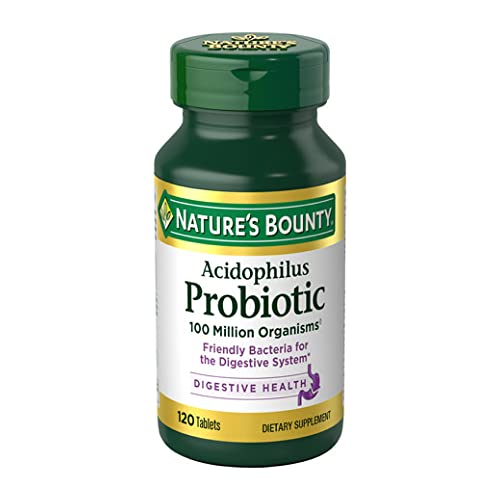
| Nature’s Bounty Acidophilus | Tight budget and tablet format preference | $7.11 |
How We Picked
We narrowed the field using four criteria: CFU count and strain diversity (higher numbers matter only when paired with clinically studied strains), formulation focus (vaginal, urinary, digestive, or general — a product that claims everything often delivers less of each), shelf stability and delivery mechanism (delayed-release capsules and refrigeration requirements change real-world effectiveness), and cost per serving relative to the features provided. Products that scored well on two or more of these dimensions made the list.
The 8 Best Probiotic For Women in 2026
Garden of Life Dr. Formulated Once Daily Women’s Probiotics
This formula targets women who want digestive and vaginal support in a single daily capsule and care about ingredient sourcing. The 50 billion CFU count is competitive for a once-daily product, and the Garden of Life brand carries a following among shoppers who prioritize whole-food, non-GMO certification over clinical trial citations. The 30-capsule bottle is a reasonable starting size.
- Pro: 50 billion CFU in a single daily capsule simplifies routines for people who dislike multi-pill stacks.
- Pro: Whole-food, organic certification appeals to buyers who scrutinize ingredient lists beyond just strain counts.
- Con: Fewer named strains than Doctor’s Recipes or Physician’s Choice, which limits targeted coverage for urinary or odor-specific concerns.
Skip this if you need a formula specifically designed around vaginal flora or UT support — the broad approach dilutes its focus for those issues.
Physician’s Choice Probiotics for Women (30ct)
Physician’s Choice has built significant brand recognition in the women’s probiotic niche, and this 30-capsule version bundles six strains with organic prebiotics and cranberry extract. It is the most direct answer for someone whose primary goals are pH balance, digestive comfort, and occasional urinary tract maintenance without overthinking the label.
- Pro: Six strains plus cranberry and prebiotics cover vaginal, digestive, and urinary angles in one capsule.
- Pro: Owner feedback frequently highlights a sense of consistent comfort and reduced odor concerns compared to generic multi-strain products.
- Con: Six strains is a moderate number; buyers seeking maximum diversity will find Doctor’s Recipes offers a broader spectrum.
Skip this if you want a unisex or digestive-only product — the feminine-health positioning means you are paying for targeted strains you may not need.
URO Vaginal Probiotics
URO takes a different route: a one-month supply formulated specifically around vaginal odor, flora, and pH rather than bundling in general gut-health claims. This is the best probiotic for women whose sole concern is maintaining a healthy vaginal environment and who do not want to overpay for digestive support they already get from food or a separate product.
- Pro: Narrow focus on vaginal health means every ingredient serves that purpose; no filler strains for unrelated benefits.
- Pro: Owner reviews consistently praise odor reduction as the first noticeable change, often within the first two weeks.
- Con: No meaningful digestive or immune support — pair it with another product if those matter to you.
Skip this if you want a single supplement covering gut, immune, and vaginal needs in one purchase.
Doctor’s Recipes Women’s Probiotic (60ct)
Doctor’s Recipes stands out for raw numbers: sixteen strains, 50 billion CFU, cranberry inclusion, delayed-release capsules, and shelf-stable packaging — all at the lowest per-capsule cost on this list. For buyers who treat strain count as the primary decision driver, this is the clear value leader.
- Pro: Sixteen strains offer the broadest coverage here, touching vaginal, urinary, digestive, and immune pathways simultaneously.
- Pro: At $15.74 for 60 capsules, the cost-per-serving advantage is substantial for anyone who wants to avoid committing to a premium brand long-term.
- Con: Brand name carries less trust signal than Garden of Life or Culturelle, which matters to cautious first-time probiotic buyers.
Skip this if you prioritize a well-known brand with extensive published research behind specific strains over sheer numbers.
Physician’s Choice Probiotics (60ct Women’s)
This is the same formula as the 30-capsule Physician’s Choice entry, doubled. The practical advantage is supply continuity — a two-month bottle reduces reorder frequency and often appeals to shoppers who have already confirmed the product works for them and want to lock in a routine.
- Pro: Eliminate reorder hassle; two months of supply means fewer trips to restock during a trial period.
- Pro: The 60-capsule price per serving is slightly lower than buying two 30ct bottles, making long-term commitment cheaper.
- Con: Higher upfront cost at $38.97 may deter first-time buyers who are unsure whether the formula suits their specific needs.
Skip this if you are trying feminine-health probiotics for the first time and want to test a smaller commitment before committing to a two-month supply.
Physician’s Choice 60 Billion CFU (Unisex)
This 60 billion CFU, ten-strain product is designed for digestive and immune health in both women and men. It is not a vaginal-health formula, but for women whose main concern is gut comfort — occasional bloating, gas, irregularity — it delivers higher potency than most dedicated women’s products at a comparable price.
- Pro: 60 billion CFU across ten strains targets gut issues more aggressively than women-specific formulas that split attention across systems.
- Pro: A couple can share one product, simplifying purchases and reducing per-person cost.
- Con: No cranberry, no vaginal-flora strains — this will not help with odor, pH, or UT concerns.
Skip this if your primary reason for buying a probiotic is feminine or urinary health rather than digestive comfort.
Culturelle Probiotics for Women 4-in-1
Culturelle is a pharmacist-recommended brand with decades of consumer trust, and this product leans on that reputation. The 4-in-1 positioning covers digestive, immune, vaginal, and urinary benefits, though the formula relies on fewer named strains than competitors. Owner feedback is warm, particularly among buyers who value brand credibility over spec-sheet dominance.
- Pro: Brand trust and pharmacist visibility make this a low-regret purchase for cautious buyers entering the category for the first time.
- Pro: Prebiotic inclusion alongside the probiotic strains supports a synbiotic approach that some users report as gentler on the stomach.
- Con: CFU and strain count are not disclosed as aggressively as Physician’s Choice or Doctor’s Recipes, making direct comparison difficult.
Skip this if you are comparing numbers on spec sheets and want the highest verified CFU or strain count available.
Nature’s Bounty Probiotic Acidophilus Tablets
At $7.11 for 120 tablets, Nature’s Bounty Acidophilus is the budget anchor of this list. It delivers a single well-known strain (Lactobacillus acidophilus) in a tablet format, which suits people who dislike swallowing capsules. It is not a sophisticated formula, but it is a functional entry point for basic gut support at a fraction of the cost of specialty blends.
- Pro: Lowest price per dose by a wide margin; the 120-tablet bottle lasts months without repeated purchases.
- Pro: Tablet format removes the capsule-swallow concern that stops some buyers from using probiotics at all.
- Con: Single-strain formulation means no vaginal, urinary, or multi-system coverage — this is strictly basic digestive support.
Skip this if you have specific feminine-health goals; acidophilus alone is unlikely to address pH balance, odor, or UT prevention in a meaningful way.
Buying Guide
Match the Formula to Your Primary Concern
The single biggest mistake buyers make is choosing a product based on brand familiarity while ignoring whether the formulation addresses their actual problem. If your concern is vaginal odor or pH irregularity, a product like URO or Physician’s Choice Women’s is a direct match. If your issue is bloating, gas, or post-antibiotic gut recovery, the unisex 60 billion CFU option or Doctor’s Recipes with its sixteen strains will serve better. General daily maintenance is where Garden of Life and Culturelle make the most sense.
Understand CFU Numbers in Context
A higher CFU number is not automatically better. Fifty billion in a delayed-release capsule that survives stomach acid is more useful than sixty billion in a standard capsule that may degrade before reaching the intestines. Look for shelf-stable or delayed-release technology alongside the count. At the same time, extremely low numbers (under ten billion) in untargeted formulas rarely deliver noticeable results for women’s health specifically.
Evaluate Prebiotics and Cranberry as Functional Additions
Organic prebiotics (inulin, fructooligosaccharides, or food-derived fibers) feed the probiotic strains and can improve colonization in the gut and vaginal tract. Cranberry extract added to a probiotic specifically supports urinary tract health through proanthocyanidins, which may prevent bacterial adhesion. If the product claims a benefit in one of these areas but omits the supporting ingredient entirely, the formula is likely thinner than advertised.
Our Verdict
For most women entering the category wanting balanced coverage of vaginal, digestive, and mild urinary support, Physician’s Choice Women’s 30ct at $24.97 is the strongest all-around pick on this list. It combines a practical strain set, cranberry, and prebiotics without a steep price premium. For buyers on a tight budget who simply want a reliable digestive probiotic, Nature’s Bounty Acidophilus at $7.11 remains the value play. If your concern is strictly odor and vaginal pH with no interest in gut health, URO is the specialist you should reach for instead.
FAQ
How long before a women’s probiotic shows results?
Owner feedback across these products suggests noticeable changes in odor and digestive comfort often appear within one to three weeks of consistent daily use. Urinary-related benefits may take a full month, particularly if the underlying issue was recurrent rather than occasional.
Can I take a probiotic while on antibiotics?
Yes, and many users report doing exactly that to protect vaginal flora from antibiotic disruption. Separate the probiotic dose from the antibiotic by at least two hours so the antibiotic does not kill the ingested strains before they settle.
Do refrigerated probiotics outperform shelf-stable ones?
Not necessarily. Modern delayed-release and freeze-dried capsule technology protects live cultures through stomach acid and ambient storage for their labeled shelf life. A shelf-stable product with verified CFU claims at the time of testing performs comparably to a refrigerated product for the full duration of its use.
Is a higher strain count always better?
No. Six to ten well-studied strains that are clinically linked to the outcomes you care about will outperform sixteen generic strains with no published data behind them. Look for strains like L. rhamnosus, L. reuteri, and L. crispatus in women’s formulas, as these have the most direct research tying them to vaginal and urinary benefits.