Key takeaways
- Finish level: Decide between matte, satin, or high-gloss; matte reduces windshield glare while gloss looks brand-new.
- UV protection: The core job of a protectant is blocking UV, which prevents fading and cracking over time.
- Greasy vs dry-touch: Dry-to-touch formulas avoid the slippery feel and dust attraction of oily dressings.
- Surface range: Some products cover vinyl, rubber, and plastic in one; others also restore faded trim.
- Durability: Longer-lasting protectants survive more heat cycles and reapply less often.
What's inside
The dashboard and door panels take a daily beating from UV rays that fade, dry, and eventually crack unprotected vinyl and plastic. A good interior protectant restores color, blocks UV damage, and leaves surfaces looking fresh, whether you prefer a deep satin sheen or a completely matte finish. The trick is choosing a formula that protects without turning your dash into a glare-inducing, greasy slick.
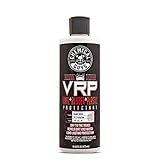
This roundup covers the interior protectants detailers rely on, from low-gloss dressings to high-shine sprays and dedicated restorers. Options like the matte-finish 303 Automotive Protectant and the versatile Chemical Guys VRP show the range available, so you can dial in exactly the look and level of protection you want.
As an Amazon Associate we earn from qualifying purchases.




⚡ Save on Your Next PC — Amazon Prime
Prime members get fast free shipping on the systems above, plus early access to Prime Day & Black Friday PC deals. New members get a 30-day free trial.
Watch: Best Car Interior Protectants for Vinyl and Plastic — Video Review
How to Choose
- Finish level: Decide between matte, satin, or high-gloss; matte reduces windshield glare while gloss looks brand-new.
- UV protection: The core job of a protectant is blocking UV, which prevents fading and cracking over time.
- Greasy vs dry-touch: Dry-to-touch formulas avoid the slippery feel and dust attraction of oily dressings.
- Surface range: Some products cover vinyl, rubber, and plastic in one; others also restore faded trim.
- Durability: Longer-lasting protectants survive more heat cycles and reapply less often.
The Best Picks Reviewed
303 Automotive Protectant
The 303 protectant is the detailer’s benchmark for UV defense, offering strong sun protection with a natural matte-to-satin finish rather than a greasy shine. It is ideal for dashboards because it will not create windshield glare, and it works across vinyl, plastic, and rubber.
Chemical Guys VRP (Vinyl, Rubber & Plastic)
VRP is a versatile dressing that lets you build the shine from subtle to glossy depending on how much you apply. It protects and revitalizes vinyl, rubber, and plastic inside and out, making it a flexible one-bottle solution for the whole car.
CarGuys Plastic Restorer
When trim has already faded to a chalky gray, the CarGuys Plastic Restorer brings it back to life, restoring deep color to plastic, rubber, and vinyl. It is more of a restorer than a light dressing, perfect for reviving sun-damaged interior and exterior trim.
Meguiar’s Natural Shine Protectant
For drivers who want a low-key, natural look, Meguiar’s Natural Shine leaves a clean, non-greasy satin finish. It protects interior surfaces without the wet-look gloss, keeping the cabin understated and glare-free.
Meguiar’s Ultimate Insane Shine Protectant
At the opposite end, this spray delivers a high-gloss, non-greasy finish for those who love a rich, deep look on their trim and dash. It applies easily and resists the sticky feel that plagues cheaper high-shine dressings.
Frequently Asked Questions
Matte or glossy protectant for a dashboard?
Matte is usually better for the dash because a glossy finish can reflect into the windshield and cause glare. Save high-gloss products for door panels and trim.
Do interior protectants really block UV?
Quality protectants like 303 contain UV inhibitors that meaningfully slow fading and cracking. Regular application is what keeps a dash from drying out over years of sun.
Why does my dash feel greasy after treatment?
Oily dressings leave a slick film that also attracts dust. Choose a dry-to-touch formula like Chemical Guys VRP Dry to Touch to avoid the greasy feel.
How often should I apply protectant?
Every few weeks to a couple of months depending on sun exposure and the product’s durability. Reapply when surfaces start to look dry or dull.
Final Thoughts
The right interior protectant depends on the look you want and how much sun your car sees. For dashboards, the matte 303 Automotive Protectant is the safest all-around choice, while Chemical Guys VRP offers adjustable shine and the CarGuys Restorer revives already-faded trim. Prioritize UV protection and a dry-touch finish, apply regularly, and your cabin stays fresh for years.