Key takeaways
- Open the housing: Release the glovebox and unclip the filter cover panel behind it.
- Remove the old filter: Slide it straight out and note the airflow arrow printed on its frame.
- Check the housing: Vacuum out leaves and debris that collect in the box.
- Insert the new filter: Match the airflow arrow, which almost always points down toward the floor.
- Reassemble: Snap the cover back on and reattach the glovebox stops.
What's inside
Your cabin air filter is one of the most neglected maintenance items on a modern car, yet it directly affects the air you breathe every time you drive. Most manufacturers recommend swapping it every 12,000 to 15,000 miles, but if you commute through heavy traffic or dusty conditions, once a year is smarter. The good news for 2026 is that this is a genuine ten-minute job you can do in your driveway with zero tools on most vehicles.
A clogged filter restricts airflow, weakens your air conditioning, fogs up windows in winter, and lets pollen and exhaust particles into the cabin. Replacing it yourself saves the typical $40 to $70 shop markup, and quality filters like the Bosch Automotive 6029C HEPA Cabin Air Filter cost only $12 to $20. Below you will find everything you need to locate, remove, and install a new filter correctly.
As an Amazon Associate we earn from qualifying purchases.




⚡ Save on Your Next PC — Amazon Prime
Prime members get fast free shipping on the systems above, plus early access to Prime Day & Black Friday PC deals. New members get a 30-day free trial.
Watch: How to Replace Your Car’s Cabin Air Filter Yourself — Video Review
Where Your Cabin Air Filter Is Located
On the vast majority of cars, the cabin filter sits behind the glovebox. Open the glovebox, squeeze the sides inward to release the stop tabs, and let it drop down to expose a plastic access panel. A smaller number of vehicles place the filter under the dashboard on the passenger side or beneath the windshield cowl in the engine bay. Your owner’s manual will confirm the exact location and orientation in under a minute.
Choosing the Right Replacement Filter
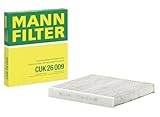
Filters are not universal, so buy by your car’s year, make, and model rather than by looks. You will generally choose between a standard particulate filter and an activated-carbon filter. Carbon versions, such as the MANN-FILTER CUK 26 009 Cabin Air Filter with Activated Carbon, add odor absorption for exhaust and pollen, while HEPA-grade options like the Bosch Automotive 6029C trap the finest particles. If you have a Honda or Acura, the Puroma Cabin Air Filter for CP182 CF11182 is a proven direct fit, and Toyota, Subaru, and Lexus owners are well served by the CARORY Cabin Air Filter CF285.
Step-by-Step Replacement
- Open the housing: Release the glovebox and unclip the filter cover panel behind it.
- Remove the old filter: Slide it straight out and note the airflow arrow printed on its frame.
- Check the housing: Vacuum out leaves and debris that collect in the box.
- Insert the new filter: Match the airflow arrow, which almost always points down toward the floor.
- Reassemble: Snap the cover back on and reattach the glovebox stops.
Signs You Waited Too Long
If your new filter comes out looking gray-brown and packed with leaf fragments, that restriction was costing you fuel economy and blower performance. A weak fan on its highest setting, a musty smell when the AC starts, and persistent window fogging are the three clearest symptoms of an overdue filter.
Tips
- Write the mileage and date on the new filter’s edge with a marker so you know when it is due again.
- Take a phone photo of the old filter’s orientation before removing it if you are unsure about direction.
- Buy a two-pack like the Bosch Cabin Air Filter 6091C options to keep a spare on the shelf.
- Pair the swap with a cabin disinfectant spray through the vents to kill any lingering mildew.
Frequently Asked Questions
How often should I replace my cabin air filter?
Every 12,000 to 15,000 miles for most drivers, or once a year if you live in a dusty, high-pollen, or heavy-traffic area. Check it more often if you notice reduced airflow.
Can I clean and reuse the old filter instead?
Paper and synthetic-media filters are not designed to be washed and lose effectiveness once tapped out. Reusing them is a false economy given the low replacement cost. Always fit a fresh one.
Will a carbon filter improve my air conditioning?
A carbon filter will not make the AC colder, but a clean filter of any type restores full airflow. Carbon simply adds odor filtering for exhaust and smoke on top of that.
Do I need any tools for this job?
On most cars, none at all. A few models require a screwdriver to remove a cowl panel, but the behind-the-glovebox design used by the majority of vehicles is entirely tool-free.
Conclusion
Replacing your cabin air filter is genuinely one of the easiest and most rewarding DIY jobs on any car. For the price of a lunch and ten minutes of your time, you restore clean airflow, fresher air, and better defrost performance. Match the filter to your exact model, mind the airflow arrow, and put it on your annual maintenance list.