Navigating the market for home medical equipment can feel overwhelming, especially when you are trying to balance clinical prescriptions with everyday lifestyle needs. Selecting the right oxygen device for your residence requires looking past flashy marketing terms and focusing on core performance metrics that impact daily comfort and reliability. Whether you are setting up a primary care station for continuous therapy or seeking a secondary backup unit for targeted use, understanding the underlying mechanics of these machines ensures you make a safe, long-term investment.
In this guide, we break down the critical factors that separate mediocre devices from dependable medical appliances. By examining flow dynamics, power redundancy, noise levels, and maintenance requirements, you will gain the clarity needed to choose a model tailored specifically to your prescription and living environment. Let us cut through the noise and look at what truly matters when evaluating home oxygen solutions.
As an Amazon Associate we earn from qualifying purchases at no extra cost to you.

Continuous Flow Versus Pulse Dose Delivery
The single most important decision when evaluating an oxygen machine is understanding how it delivers oxygen. Stationary home units typically utilize continuous flow technology, meaning a steady, uninterrupted stream of oxygen is delivered through the cannula regardless of your breathing pattern. This is essential for nighttime use or for individuals with severe respiratory conditions who require a constant volume of air. Portable units, by contrast, often rely on pulse dose delivery, which releases a burst of oxygen only when the machine detects an inhalation. For a dedicated home setup, continuous flow is usually the baseline requirement prescribed by physicians for round-the-clock therapy.
Matching Flow Rate Capacity to Your Prescription
Oxygen concentrators are rated by their maximum output in liters per minute (LPM). You must never guess this specification; your medical prescription dictates the exact LPM required. Stationary home concentrators generally offer higher capacities, ranging from 1 LPM up to 5 or 10 LPM, depending on whether the unit utilizes single or dual flow configurations. Always select a machine that can comfortably handle your prescribed flow rate without operating at its absolute maximum capacity continuously, as running a motor at peak stress can reduce the lifespan of the internal compressor.
Evaluating Noise Output and Acoustic Comfort
Because stationary home concentrators run for extended periods—often throughout the entire night—the operational noise level is a major quality-of-life consideration. Manufacturers measure sound output in decibels (dB). High-end home units are engineered to operate quietly, typically falling within a tolerable range that resembles a soft hum or a quiet refrigerator. Before purchasing, check the decibel rating and read user feedback specifically concerning nighttime noise. A loud machine placed in a bedroom can severely disrupt sleep patterns, which directly counteracts the health benefits of receiving proper oxygen therapy.
Power Reliability and Emergency Backup Options
Stationary oxygen concentrators rely entirely on standard household electrical outlets to power their internal compressors and molecular sieves. Because power outages can happen unexpectedly due to severe weather or grid failures, having a reliable backup plan is critical for safety. Look for home units that offer compatible external battery packs, or ensure you have a designated medical-grade battery generator on hand. Additionally, many stationary units feature power-loss alarms that sound immediately if the electricity is interrupted, alerting you or your caregivers to switch to a backup oxygen cylinder immediately.
Understanding Maintenance and Sieve Bed Longevity
Unlike portable units that require minimal user upkeep aside from cleaning external particle filters, stationary home units have distinct maintenance schedules. The external cabinet filter should be washed and dried regularly to prevent dust buildup from choking the intake motor. Furthermore, the internal molecular sieve beds—which filter nitrogen out of ambient air to produce concentrated oxygen—will eventually degrade after several thousand hours of use. When choosing a brand, research the availability of replacement filters and the projected lifespan of the sieve beds, as well as whether servicing requires shipping the unit to a certified technician.
Physical Footprint, Weight, and Room Mobility
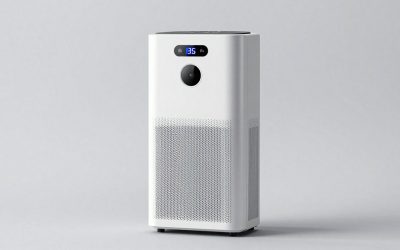
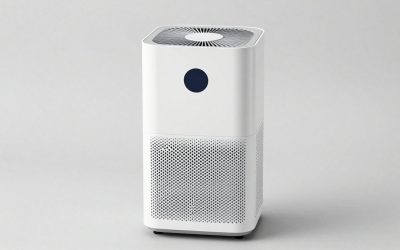
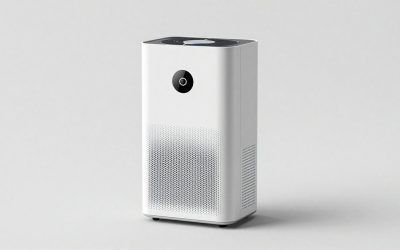
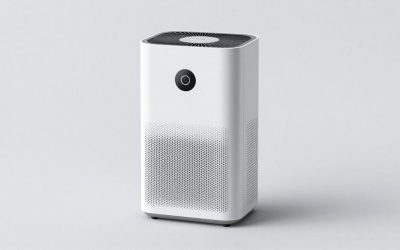
Even though stationary concentrators are designed to stay in one place rather than travel with you, their physical footprint still matters immensely within a home environment. Some units are bulky, heavy metal boxes, while others feature a sleek, vertical tower design equipped with smooth-rolling caster wheels. Consider the layout of your living space: will the machine need to navigate narrow hallways or transition between carpeted bedrooms and hardwood living rooms? Selecting a model with sturdy casters and an integrated top handle makes moving the unit from room to room safe and effortless for family members or caregivers.
Related Guides
If you are still weighing your options and want to see how top-performing models compare side-by-side, be sure to read our comprehensive review of the Best Oxygen Concentrators for Home in 2026: Compared and Ranked to find the ideal match for your household.
FAQ
Can I use a portable concentrator as my primary home unit?
While portable units are fantastic for travel and errands, most cannot provide the high continuous flow rates required for severe respiratory conditions or nighttime sleeping. Your doctor’s prescription will determine whether a portable unit meets your medical needs around the clock.
How often do I need to clean the air filters?
External foam intake filters should generally be washed with mild soap and warm water every one to two weeks. Ensure the filter is completely dry before reinserting it into the machine to prevent moisture damage to the internal components.
Do home oxygen concentrators require special electrical wiring?
No, standard stationary home oxygen concentrators plug into regular household 110V or 220V electrical outlets. However, you should avoid plugging them into extension cords or power strips to prevent electrical hazards and voltage drops.
Will a home oxygen concentrator significantly increase my electric bill?
Running a stationary concentrator continuously will draw a noticeable amount of electricity, comparable to running a small refrigerator or a desktop computer. The exact increase depends on your local utility rates and the wattage draw of your specific machine model.