Adding forced induction to your vehicle remains the definitive way to unlock massive, jaw-dropping horsepower and torque gains. However, navigating the aftermarket landscape can feel overwhelming, especially with the engineering advancements available in 2026. Choosing the right system involves far more than simply chasing the highest advertised boost numbers or picking the most expensive option on the shelf.
A successful forced induction project relies on matching the blower architecture, thermal capacity, and fuel delivery requirements to your engine’s specific structural limits. Making an informed decision prevents catastrophic engine failure, saves you from endless diagnostic headaches, and ensures your car delivers reliable, repeatable power on both the street and the track.
As an Amazon Associate we earn from qualifying purchases at no extra cost to you.
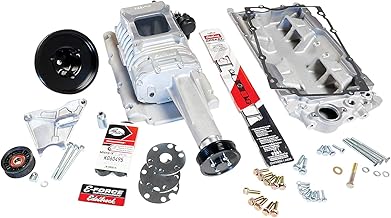
Understanding Forced Induction Types: Roots vs. Centrifugal vs. Twin-Screw
The first critical decision when evaluating forced induction packages is selecting the supercharger architecture. Roots-type blowers excel at low-end throttle response, delivering instant boost right off idle, making them ideal for heavy street cars and trucks that need immediate off-the-line grunt. Twin-screw superchargers offer a similar low-end surge but maintain higher thermal efficiency at upper RPM ranges, blending instant torque with respectable top-end power delivery.
Centrifugal superchargers operate differently, functioning much like belt-driven turbochargers. They build boost linearly as engine speed climbs, creating a massive power rush at high RPMs. Choosing between these designs depends entirely on your driving style, powerband preferences, and how you intend to use the vehicle day in and day out.
Evaluating Boost Pressure and Pulley Sizing
Boost is often the metric enthusiasts obsess over, but it is merely a measurement of restriction, not an absolute indicator of engine efficiency. Higher boost pressures force more air into the cylinders, but they also generate significantly more heat and put immense stress on connecting rods, pistons, and head gaskets. Selecting a kit with a conservative initial pulley size allows you to enjoy reliable power without immediately pushing your factory block past its breaking point.
When looking at pulley combinations, always consider your local fuel quality and ambient operating temperatures. Pushing high boost levels on standard pump gas without proper octane support will quickly induce destructive detonation. It is usually wiser to start with a lower boost pulley to establish a reliable baseline before chasing aggressive power upgrades.
Fuel System Upgrades: Injectors, Pumps, and Return Lines
More air requires proportionally more fuel to maintain a safe air-fuel ratio. One of the most common mistakes builders make is underestimating the fueling demands of a forced induction upgrade. Most complete packages include upgraded fuel injectors and high-flow fuel pumps, but you must verify that these components provide adequate headroom for your horsepower goals.
If your kit does not supply a complete fueling overhaul, you will need to budget separately for larger injectors, upgraded fuel rails, and potentially a secondary low-pressure pump or voltage booster. Running lean under boost will melt pistons within seconds, making your fuel system just as critical as the supercharger head unit itself.
Intercooling and Thermal Management
Compressing air generates immense heat, and hot air is dense with destructive thermal energy rather than oxygen molecules. An efficient intercooler—whether air-to-air or air-to-water—is non-negotiable for maintaining consistent power during prolonged driving sessions. Without proper charge cooling, heat soak will rapidly rob your engine of power, forcing the computer to pull timing and kill performance.
When comparing packages, look closely at the core size, end-tank construction, and overall plumbing routing of the intercooler. A well-designed thermal management system ensures your intake air temperatures stay within a safe window, protecting your motor and sustaining peak horsepower output pull after pull.
ECU Calibration and Tuning Compatibility
Hardware is only half the battle; the engine management system must understand how to handle the influx of pressurized air. Many modern kits come bundled with a handheld flash tuner and a pre-calibrated base tune designed to get the car running safely. However, mail-order or generic tunes may not account for local altitude, fuel variations, or specific engine modifications.
For the best results, budget for a custom dyno tune performed by a reputable professional who specializes in your specific platform. A custom calibration optimizes spark timing, fuel tables, and throttle mapping to extract safe, reliable power while maintaining daily-drivability and factory-like idle characteristics.
Engine Internal Limits and Compression Ratios
Every factory engine has a mechanical threshold where the stock rotating assembly will bend or break under forced induction pressure. Before buying any kit, research the safe horsepower limits of your specific engine block, pistons, and connecting rods. High-compression engines, in particular, require extremely precise tuning and lower boost levels to prevent pre-ignition and destructive knock.
Installation Complexity and Supporting Modifications
Installing a forced induction setup is a major mechanical undertaking that requires specialized tools, patience, and a thorough understanding of automotive systems. Evaluate whether you have the mechanical expertise to complete the job in your garage or if you need to factor professional installation labor into your total budget. Additionally, consider supporting modifications like upgraded clutches, beefier transmission components, and heavy-duty cooling systems that may be required to handle the sudden surge in output.
Related Guides
To get the most out of your automotive projects, explore our other expert roundups. If you are exploring different power adders, check out our top-tier supercharger kits. Once your engine build is complete, protect your exterior paint with advanced graphene ceramic coatings, and ensure your panels are spotless using professional clay bar kits before any detailing work.
FAQ
Can I install a supercharger kit on a completely stock engine?
Yes, many entry-level and mid-tier kits are specifically engineered to run safely on a stock engine block with factory internals. However, you must respect the boost limitations of the base tune and use high-quality fuel to prevent premature engine wear or failure.
What is the difference between an air-to-air and air-to-water intercooler?
Air-to-air intercoolers use ambient airflow passing through the front grille to cool compressed intake air, making them ideal for long-distance street driving. Air-to-water systems utilize a separate fluid reservoir and heat exchanger, which can absorb massive thermal spikes quickly, making them popular for drag racing and tight engine bays.
Will adding a supercharger void my factory warranty?
In most cases, installing an aftermarket power adder will void the powertrain portion of a factory warranty. Some manufacturers offer proprietary kits through authorized dealers that retain limited warranty coverage, so it is always wise to consult your local dealer beforehand.
How often do superchargers require maintenance?
Maintenance schedules vary by manufacturer and design, but most units require periodic belt inspections, oil level checks, and eventual oil changes for self-contained gearboxes. Following the manufacturer’s specified service intervals ensures long-term reliability and prevents unexpected mechanical failures.