Transitioning to an electric vehicle changes your daily routine, but relying on a standard Level 1 wall outlet quickly reveals the limits of slow overnight trickle-charging. Upgrading to a Level 2 home charging setup transforms your garage into a private fueling station, capable of replenishing most battery packs from empty to full in just a few hours. However, browsing the current market reveals an overwhelming sea of options boasting various speeds, smart features, and price tags. Choosing the right unit requires cutting through the marketing hype and evaluating how a charger aligns with your vehicle’s capabilities, your driving habits, and your home’s electrical infrastructure.
Whether you recently purchased your first EV in 2026 or you are replacing an older unit, making an informed purchasing decision prevents costly electrical upgrades and frustrating compatibility issues down the road. This guide breaks down the core specifications that actually impact performance, highlights common pitfalls to avoid, and helps you determine whether paying extra for advanced smart features makes sense for your household.
As an Amazon Associate we earn from qualifying purchases at no extra cost to you.
Amperage and Circuit Sizing
Amperage is the single most critical specification when selecting a Level 2 charger, as it dictates how fast electricity flows into your vehicle. Common residential Level 2 chargers typically deliver between 32 amps and 48 amps of continuous current, usually running on a 240-volt circuit similar to a household electric dryer or oven. A 32-amp charger outputs roughly 7.7 kilowatts of power, which is plenty for most daily commuters who park their cars overnight for eight to ten hours.
However, if you drive a larger EV with a massive battery pack, or if you have a tight window for off-peak electricity rates, upgrading to a 40-amp or 48-amp unit cuts charging times significantly. Before buying the highest-amperage unit available, consult a licensed electrician to evaluate your home electrical panel’s total load capacity. National electrical codes generally dictate that a continuous-load circuit must not exceed 80 percent of the breaker’s rating, meaning a 40-amp charger requires a dedicated 50-amp breaker.
Hardwired Versus Plug-In Installations
Level 2 chargers generally fall into two installation categories: plug-in units that connect to a heavy-duty 240-volt wall receptacle and hardwired units that are permanently connected directly to your electrical wiring. Plug-in chargers offer portability, allowing you to unplug the unit and take it with you if you move, or easily replace the hardware if it fails outside of warranty. They do, however, require installing a heavy-duty outdoor-rated outlet, which can be an additional expense.
Hardwired installations eliminate a potential point of failure—the plug and receptacle—which can degrade or overheat over years of high-draw current usage. Hardwiring is also mandatory if you want to push past 40 or 48 amps up to maximum residential limits, and it is usually the preferred choice for outdoor installations where exposure to rain and snow makes weatherproofing critical. Discuss both options with your electrician to weigh upfront installation costs against long-term reliability.
Cable Length and Cold Weather Flexibility
It sounds simple, but cable length is one of the most frequently regretted specifications after installation. Standard charging cables range from 18 to 25 feet, and opting for the extra length is almost always worth the modest price difference. A 25-foot cable gives you the flexibility to park nose-in or tail-in, reach a vehicle parked outside the garage door, or charge a second vehicle parked in the driveway without hassle.
Just as important as length is the material composition and flexibility of the cable, particularly if you live in a region with freezing winters. Cheap cables tend to stiffen into rigid, unwieldy plastic rods when temperatures drop below freezing, making them remarkably difficult to coil and plug into your car port. Look for units that utilize high-grade rubber or thermoplastic elastomer compounds designed to remain pliable in sub-zero weather.
Smart Connectivity Versus Dumb Reliability
Modern chargers are increasingly split into smart units with Wi-Fi connectivity and companion mobile apps, and traditional plug-and-charge units that simply deliver power whenever a vehicle is plugged in. Smart chargers allow you to schedule charging sessions during off-peak utility hours, monitor energy consumption, lock the charger remotely to prevent unauthorized use, and receive push notifications when charging completes or faults occur.
While smart features sound appealing, consider whether your vehicle’s built-in software already handles scheduling and battery monitoring. Many drivers prefer the simplicity of a non-smart unit because it eliminates software bugs, dropped Wi-Fi connections, and forced firmware updates that can occasionally render a charger temporarily unusable. If your electric utility offers rebates specifically for connected chargers or time-of-use tracking, a smart unit is a worthwhile investment; otherwise, simpler hardware often translates to fewer headaches.
Connector Standards and Vehicle Compatibility
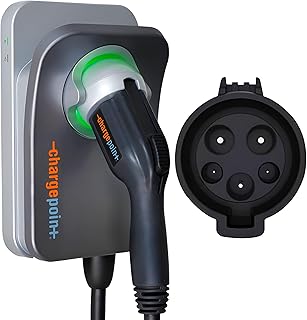
The North American EV landscape has experienced a massive shift toward standardized charging infrastructure, making connector compatibility simpler than in previous years. Most traditional chargers use the standard J1772 connector, while an increasing number of native North American Charging System hardware options are hitting the market to directly serve modern vehicles.
Before purchasing a charger, verify your vehicle’s native port configuration and check whether you will need a reliable adapter. While adapters are widely available, buying a charger that matches your vehicle’s native plug type eliminates an unnecessary mechanical connection and potential point of resistance. Ensure the unit carries safety certifications from recognized testing laboratories like UL or ETL to guarantee it meets rigorous electrical safety standards.
Enclosure Ratings and Weather Resistance
Where you mount your charger dictates the level of weather resistance required. If your garage is fully enclosed and climate-controlled, a standard indoor rating is sufficient. However, if your charger will be mounted outside on an exterior wall or inside an open carport, you must look closely at National Electrical Manufacturer Association ratings.
A NEMA 4 rating is the gold standard for outdoor EV chargers, indicating that the enclosure is constructed to protect internal components against windblown dust, rain, splashing water, and hose-directed water. Additionally, check the impact resistance rating if the charger is mounted in a high-traffic driveway area where it might accidentally take a hit from a garbage bin or car bumper.
Related Guides
To round out your garage setup and ensure your vehicles and equipment remain in top condition, explore our comprehensive resources including our best Level 2 chargers roundup, our favorite car chargers for on-the-go needs, and the top-tested smart battery chargers for maintaining auxiliary power.
FAQ
Do I need an electrician to install a Level 2 charger?
Yes, installing a Level 2 charger almost always requires a licensed electrician to ensure your home’s electrical panel can handle the load and to run a dedicated 240-volt circuit safely. Attempting a DIY installation without proper electrical knowledge poses severe risks of fire and electrical shock.
Can my car handle a 48-amp charger?
Not necessarily, as every electric vehicle has an onboard charger with a maximum AC charging limit. If your vehicle’s internal charger caps out at 32 amps, it will only draw 32 amps even if plugged into a 48-amp charger, meaning you would pay for extra electrical capacity you cannot utilize.
Will an outdoor charger work in freezing weather?
Most reputable outdoor Level 2 chargers are rated to operate in extreme temperatures ranging from negative 30 degrees to over 120 degrees Fahrenheit. However, your primary challenge in winter will be cable stiffness, so look for cold-weather-rated cables if you live in a harsh climate.
Are smart chargers worth the extra cost?
Smart chargers are worth the investment if your electric utility offers special discounted rates for off-peak charging or requires connected hardware for energy rebate programs. If you simply want reliable plug-and-play charging and your car already has built-in scheduling, a basic unit will serve you well.